Blog Post:
In the world of reproductive technology, artificial insemination has become a common practice for both humans and animals. It involves the introduction of semen into the female reproductive tract to facilitate fertilization and increase the chances of conception. Over the years, the timing of artificial insemination has gone through significant changes, and it continues to evolve as we approach 2025. In this blog post, we will explore the changing landscape of artificial insemination timing and discuss what you need to know for 2025.
The Evolution of Artificial Insemination Timing:
The history of artificial insemination dates back to the late 18th century when scientists first experimented with it in animals. However, it was not until the early 20th century that it became a more common practice in livestock breeding. Initially, artificial insemination was done at a specific time during the female’s estrus cycle, known as the natural estrus. This timing was based on the observation of behavioral changes in the female, such as standing heat, which indicated she was ready for insemination.
In the 1940s, a new method known as timed insemination was introduced, where the female was inseminated at a predetermined time, regardless of her estrus cycle. This was a significant breakthrough as it eliminated the need for constant observation and allowed for more efficient and widespread use of artificial insemination. However, this method was not without its limitations, as it required strict adherence to the predetermined timing, which could vary based on factors such as the breed of the animal and the type of semen used.
In the 1980s, the concept of ovulation synchronization was introduced, which involved manipulating the hormones in the female to induce ovulation at a specific time. This method allowed for more precise timing of artificial insemination and increased conception rates. However, it still required close monitoring and management of the female’s reproductive cycle.
The Current Landscape of Artificial Insemination Timing:
Today, the most common method of artificial insemination timing is through the use of hormone injections to synchronize ovulation. This method has been refined over the years and has become more widely used due to its effectiveness in increasing conception rates. It involves administering hormones such as GnRH and prostaglandin to induce ovulation, followed by insemination at a specific time after the injection.
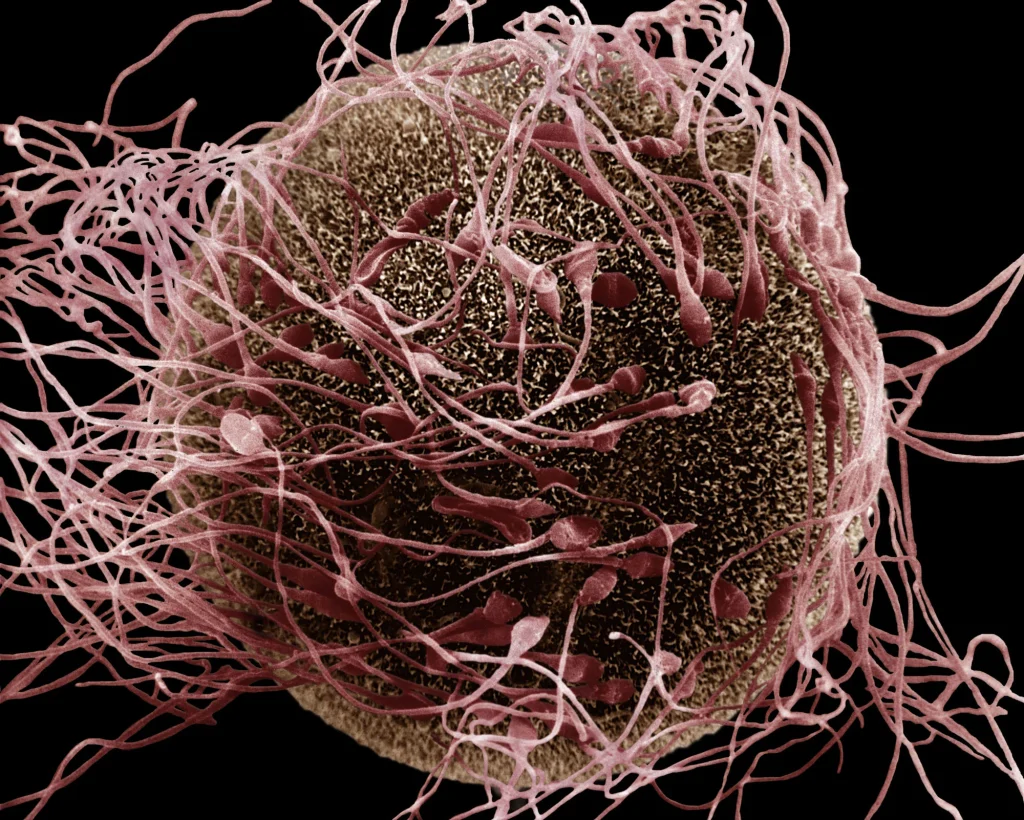
The Changing Landscape of Artificial Insemination Timing: What You Need to Know for 2025
However, with the advancements in technology and research, new methods of artificial insemination timing are being developed. One such method is the use of ultrasound technology to monitor follicle development and time the insemination accordingly. This method allows for a more individualized approach, as the timing can be adjusted based on the response of each female to the hormone injections.
Another emerging method is the use of predictive models and algorithms to determine the optimal timing for artificial insemination. These models take into account various factors such as the female’s age, breed, and reproductive history, as well as environmental factors, to predict the best time for insemination. This method has shown promising results and has the potential to revolutionize the way artificial insemination is timed in the future.
What You Need to Know for 2025:
As we approach 2025, it is essential to stay updated on the latest developments in artificial insemination timing. With the use of technology and predictive models, we can expect a more personalized and efficient approach to timing inseminations. This will not only increase conception rates but also reduce the need for constant monitoring and management of the female’s reproductive cycle.
It is also crucial to note that the success of artificial insemination timing is heavily dependent on the skills and expertise of the inseminator. As technology advances, it is essential to ensure that the inseminator is trained and knowledgeable in using these new methods to achieve the best results.
Furthermore, genetic selection and breeding have a significant impact on the success of artificial insemination. As more emphasis is placed on producing animals with desirable traits, it is crucial to consider the timing of artificial insemination to optimize the chances of producing offspring with these traits.
In conclusion, the landscape of artificial insemination timing has gone through significant changes over the years and continues to evolve. With the use of technology and predictive models, we can expect a more personalized and efficient approach in the future. As we approach 2025, it is essential to stay updated on these developments and ensure that we have the necessary skills and knowledge to achieve successful artificial insemination.
Summary:
Artificial insemination timing has evolved significantly over the years, from the natural estrus method to the use of hormone injections and ovulation synchronization. As we approach 2025, new methods such as ultrasound technology and predictive models are emerging, which promise a more personalized and efficient approach to timing inseminations. It is essential to stay updated on these developments, ensure proper training of inseminators, and consider genetic selection for optimal success in artificial insemination.