Summary:
Pregnancy is a life-changing experience for many women, but it can also come with challenges and limitations. In recent years, advancements in technology have opened up new possibilities for pregnancy, including the use of artificial insemination. By 2025 and beyond, artificial insemination is expected to become even more prevalent, with the potential to revolutionize the way we think about pregnancy.
In this blog post, we will explore the future of pregnancy through the lens of artificial insemination. We will dive into the current state of artificial insemination, the potential advancements and challenges it may face in the coming years, and the impact it could have on individuals and society as a whole.
The Current State of Artificial Insemination:
Artificial insemination, also known as intrauterine insemination (IUI), is a procedure in which sperm is directly inserted into a woman’s uterus to increase the chances of fertilization. This method is commonly used for couples struggling with infertility, same-sex couples, and single individuals who want to conceive.
Currently, artificial insemination is a relatively common and successful procedure, with a success rate of 10-20% per cycle. However, it does come with some limitations, such as the need for multiple cycles and the possibility of not being able to use the male partner’s sperm in cases of male infertility.
Advancements in Artificial Insemination:
In the next few years, we can expect to see significant advancements in artificial insemination technology. One of the most promising developments is the use of artificial intelligence (AI) to select the best sperm for fertilization. This can greatly increase the chances of success and reduce the number of cycles needed.
Another potential advancement is the use of gene editing techniques, such as CRISPR, to improve the quality of the sperm used in artificial insemination. This could potentially eliminate genetic disorders and increase the overall success rate of the procedure.
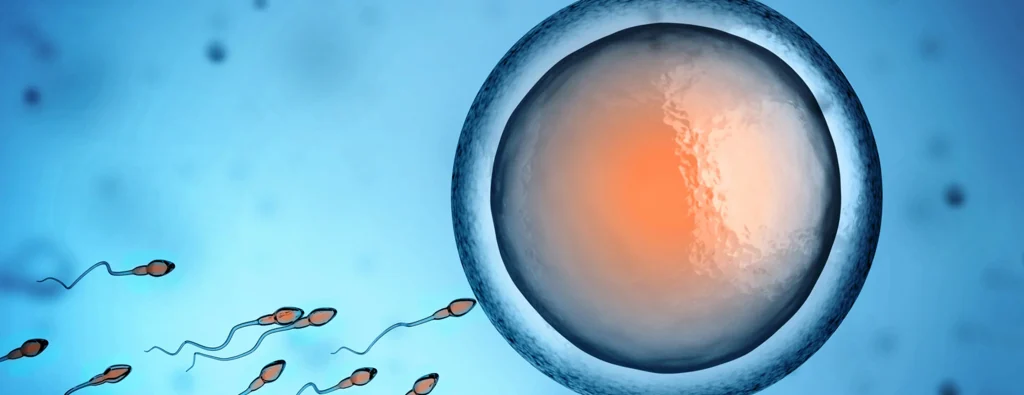
The Future of Pregnancy: Artificial Insemination in 2025 and Beyond
Challenges and Controversies:
As with any new technology, there are also challenges and controversies surrounding artificial insemination. One of the main concerns is the potential for designer babies – genetically modifying embryos for desired traits. While this technology is still in its early stages, it raises ethical and moral questions about the boundaries of human reproduction.
There are also concerns about the potential for a widening gap between those who can afford artificial insemination and those who cannot. With advancements in technology comes a higher cost, making it less accessible for low-income individuals and families. This could lead to further inequalities in society.
Impact on Individuals and Society:
The future of pregnancy through artificial insemination has the potential to greatly impact individuals and society as a whole. On an individual level, it can provide hope for those struggling with infertility and allow same-sex couples and single individuals to have biological children. It also opens up new possibilities for family planning, as individuals could potentially store their sperm or eggs for future use.
On a societal level, the increased use of artificial insemination could lead to a decline in traditional methods of conception, such as sexual intercourse and natural conception. This could have implications for how we view and value relationships and reproduction.
Furthermore, the advancements in artificial insemination could also have an economic impact. With more individuals turning to this method for pregnancy, there could be a decrease in the need for expensive fertility treatments, such as in vitro fertilization (IVF).
Conclusion:
In conclusion, the future of pregnancy through artificial insemination is full of potential and excitement. While there are still challenges and controversies to navigate, the advancements in technology and its impact on individuals and society cannot be ignored. With the potential for increased success rates, improved sperm selection, and the ability to eliminate genetic disorders, artificial insemination is set to revolutionize the way we think about pregnancy.