Blog post:
In recent years, artificial insemination (AI) has been a widely discussed topic in the field of reproductive technology. This method involves the insertion of sperm into a female’s reproductive tract in order to fertilize her eggs. While AI has been used in both humans and animals for decades, advancements in genetics have greatly impacted the practice and are expected to continue shaping its future. In this blog post, we will explore the role of genetics in artificial insemination and what we can expect in 2025.
Genetic screening has become an important aspect of AI, especially in humans. Before undergoing the procedure, both the male and female are tested for genetic disorders that could be passed on to offspring. With advancements in genetic testing, more disorders can now be identified, allowing for better informed decisions about the use of AI. In the past, genetic disorders were often only detected after a child was born, causing emotional distress for the parents and potential ethical concerns. But with genetic screening, these issues can be addressed before conception, leading to healthier and more successful pregnancies.
In addition to screening for genetic disorders, genetics also play a role in the selection of sperm donors. In traditional AI, a donor’s physical characteristics such as height, weight, and eye color were the main factors considered. But with the use of genetic testing, donors can now be selected based on their genetic makeup. This allows for a more precise and personalized approach to AI, increasing the chances of a successful pregnancy and reducing the risk of passing on genetic disorders.
Another aspect of genetics in AI is the use of sperm sorting techniques. This involves separating sperm based on their genetic characteristics, such as their sex chromosomes. This allows for the selection of sperm with desired traits, such as gender selection in humans or selecting for specific traits in livestock breeding. While this technology is still in its early stages, it has the potential to greatly impact the success rates of AI in the future.
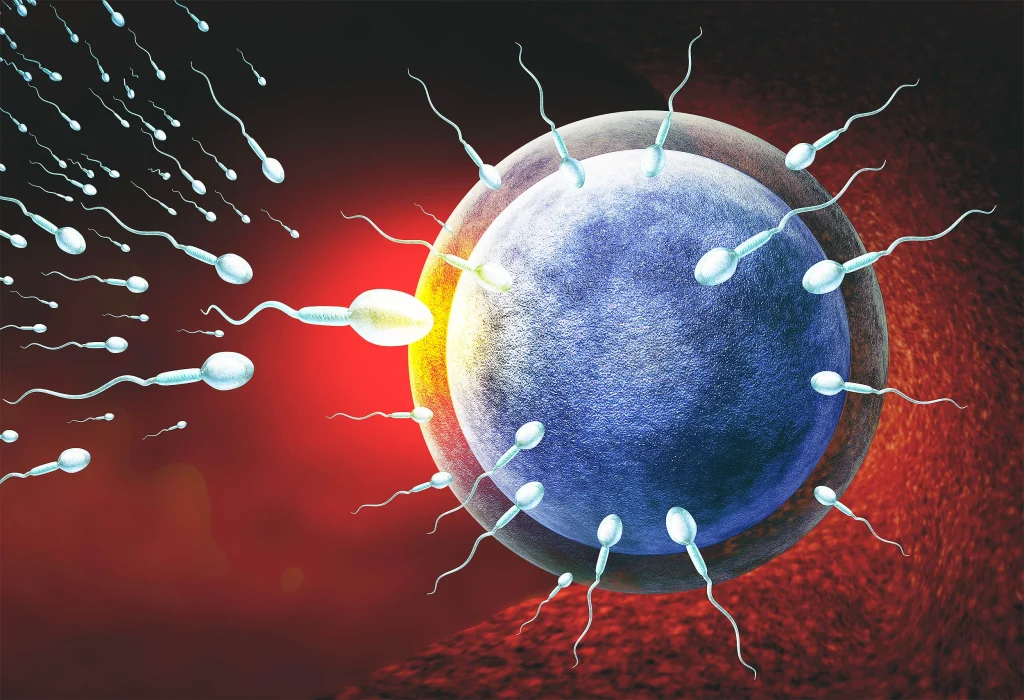
The Role of Genetics in Artificial Insemination: What to Expect in 2025
Aside from genetics, advancements in technology have also greatly influenced AI. In 2025, we can expect to see more widespread use of non-invasive AI techniques. This involves the use of specialized equipment to deliver sperm directly to the cervix or uterus, eliminating the need for invasive procedures. This not only reduces the risk of infection but also increases the chances of conception. Additionally, the use of cryopreservation, or freezing of sperm, has also become more common in recent years. This allows for the storage of sperm from a donor for future use, making AI more accessible and convenient.
With the rise of genetic testing and advancements in technology, the future of AI looks promising. But it also raises ethical concerns and questions about the potential impact on society. Some argue that AI could lead to a decrease in genetic diversity and the creation of “designer babies.” However, proponents of AI argue that it allows for the prevention of genetic diseases and provides individuals with the opportunity to have biological children who may not have been able to otherwise.
In 2025, we can also expect to see a shift towards personalized medicine in AI. This involves tailoring the procedure to the specific needs of the individual, taking into account their genetic makeup and medical history. With the use of AI, personalized medicine has the potential to greatly improve the success rates of pregnancies and the overall health of offspring.
In the world of animal reproduction, genetics has also played a significant role in AI. In livestock breeding, AI has been used to improve the quality and productivity of herds. By selecting for specific genetic traits, livestock breeders can produce healthier and more desirable offspring. In 2025, we can expect to see even more advancements in this field, with the use of genetic editing tools such as CRISPR to modify the genetic makeup of livestock for desired traits.
In summary, genetics has significantly impacted the practice of artificial insemination and will continue to do so in the future. With the use of genetic testing, sperm sorting techniques, and advancements in technology, AI has become a more precise and personalized method of conception. In 2025, we can expect to see even more advancements in this field, leading to improved success rates and healthier offspring.
SEO metadata: