In recent years, the use of artificial insemination (AI) as a fertility treatment has gained popularity and sparked many debates. However, with its rise in popularity, there are also many misconceptions and myths surrounding this procedure. In this blog post, we will dive into the world of AI and address some of the most common misconceptions, debunking them with facts and information from experts in the field.
Myth #1: Artificial insemination is only used by infertile couples.
One of the biggest misconceptions about AI is that it is only used by couples who are struggling with infertility. While it is a common fertility treatment, AI is not limited to couples with infertility issues. In fact, it is also used by single women and same-sex couples who wish to have a child.
Myth #2: Artificial insemination is a complicated and painful procedure.
Many people often confuse AI with in vitro fertilization (IVF), which is a more complex and invasive procedure. AI, on the other hand, is a relatively simple process that involves inserting washed and prepared sperm into a woman’s reproductive tract. It is usually done in a doctor’s office and does not require any anesthesia. While some women may experience cramping, the procedure is generally painless.
Myth #3: Artificial insemination is not as effective as other fertility treatments.
Some people believe that AI is not as effective as other fertility treatments, such as IVF. However, the success rates of AI vary depending on the individual’s age, fertility health, and the type of AI used. In some cases, AI can be just as effective as other fertility treatments, and it may even be the recommended option for certain couples.
Myth #4: Artificial insemination is only for women with certain fertility issues.
Another misconception about AI is that it is only used for women with specific fertility issues, such as blocked fallopian tubes or ovulation problems. While these are some of the reasons why couples may turn to AI, it can also be used for other reasons, such as male factor infertility or unexplained infertility.
Myth #5: Artificial insemination always results in multiple pregnancies.
Many people believe that AI always results in multiple pregnancies, but this is not necessarily true. While there is a slightly higher chance of conceiving twins with AI compared to natural conception, the risk of having multiples can be managed by closely monitoring the number of eggs released during ovulation.
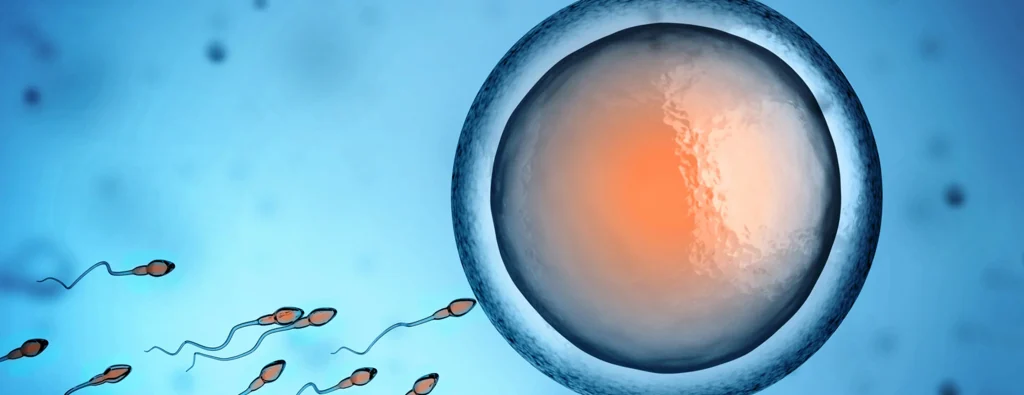
and Beyond: Debunking Misconceptions About Artificial Insemination
Myth #6: Artificial insemination is the same as using a sperm donor.
While AI does involve using donor sperm, it is not the same as simply using a sperm donor. AI is a medical procedure that requires the involvement of a fertility specialist and careful planning and monitoring. The donor sperm is also thoroughly screened for any potential genetic or health issues to ensure the best chance of a successful pregnancy.
Myth #7: Artificial insemination is only for young women.
There is a misconception that AI is only an option for young women who have not yet reached menopause. However, AI can also be a viable option for older women who are still ovulating, as long as their overall reproductive health is in good condition.
Myth #8: Artificial insemination is the only option for lesbian couples.
While AI is a popular choice for lesbian couples, it is not the only option for them to conceive. Lesbian couples can also choose to use a donor egg or opt for reciprocal IVF, where one partner provides the egg and the other carries the pregnancy.
Myth #9: Artificial insemination is unnatural and goes against religious beliefs.
There are some misconceptions that AI is an unnatural way of conceiving and goes against certain religious beliefs. However, it is important to note that AI simply mimics the natural process of conception by placing sperm closer to the egg. It does not involve any manipulation of the genetic makeup of the embryo.
Myth #10: Artificial insemination is a guarantee for pregnancy.
Lastly, it is crucial to understand that AI, like any other fertility treatment, is not a guarantee for pregnancy. While it can increase the chances of conception, there are various factors that can affect its success, such as the age and health of the individuals involved.
In conclusion, artificial insemination is a safe and effective fertility treatment that has helped many couples and individuals achieve their dream of having a child. It is important to debunk these misconceptions and educate ourselves about the reality of this procedure. If you are considering AI as a fertility treatment, it is always best to consult with a fertility specialist who can provide personalized advice and guidance.
SEO metadata: