The Future of Family Planning: Predicting the Impact of Age and Fertility on Artificial Insemination in 2025
In recent years, advancements in technology have greatly expanded the options available for family planning. One of the most notable developments is the rise of artificial insemination, a process in which sperm is introduced into a woman’s reproductive tract to achieve fertilization. This method has proven to be a successful way for couples struggling with fertility issues to conceive, and it has also opened up new possibilities for single individuals and same-sex couples to have children. As we look towards the future, it is important to consider how age and fertility will impact the use of artificial insemination in the year 2025.
The Impact of Age on Artificial Insemination
Age is a significant factor when it comes to fertility and family planning. As women age, their fertility declines due to a decrease in the number and quality of their eggs. This decline begins in a woman’s late 20s and becomes more drastic in her mid-30s. By the age of 40, a woman’s chance of conceiving naturally is only around 5%. However, with the help of artificial insemination, the chances of conception can be greatly improved.
In 2025, we can expect to see a trend of more women choosing to freeze their eggs at a younger age to preserve their fertility. This will not only give women the option to delay motherhood but also provide them with a backup plan in case they face fertility issues later in life. Additionally, with the advancements in technology, the success rates of artificial insemination are likely to increase, making it a more attractive option for women of all ages.
The Impact of Fertility on Artificial Insemination
Besides age, fertility is another crucial factor in the success of artificial insemination. In the past, women with low fertility or those who were unable to conceive due to medical conditions had limited options for having children. However, with the use of donor sperm and assisted reproductive techniques, artificial insemination has opened up new possibilities for these individuals.
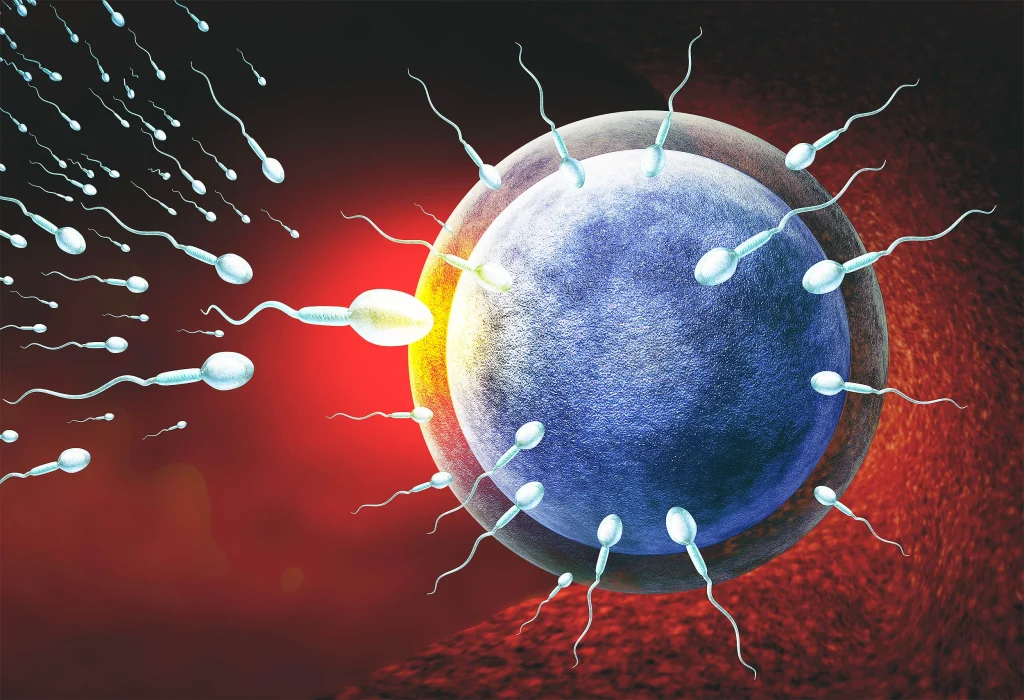
In 2025, it is predicted that there will be a rise in the use of artificial insemination by women with fertility issues. This could include women with conditions such as polycystic ovary syndrome (PCOS), endometriosis, or those who have had their fallopian tubes removed. Additionally, same-sex couples and single individuals will also continue to utilize artificial insemination as a means of starting a family.
The Role of Technology in Artificial Insemination
Technology has played a significant role in the advancements of fertility treatments, and this will only continue in the future. In 2025, we can expect to see even more sophisticated and precise techniques being used in artificial insemination. For instance, preimplantation genetic screening (PGS) and preimplantation genetic diagnosis (PGD) will become more widely available, allowing couples to screen embryos for genetic conditions before implantation.
Moreover, there will also be a rise in the use of artificial intelligence (AI) in the field of fertility. AI has the potential to analyze vast amounts of data and provide personalized recommendations for couples undergoing treatment, increasing the chances of success. It can also assist in selecting the best sperm donor for a particular individual’s genetic makeup, further improving the outcomes of artificial insemination.
Challenges and Ethical Considerations
While the future of artificial insemination looks promising, there are also potential challenges and ethical considerations that need to be addressed. One concern is the possibility of creating designer babies, where parents use artificial insemination to select specific physical and intellectual traits for their child. This could lead to a society where individuals are judged and valued based on their genetic makeup, creating a divide between those who can afford this technology and those who cannot.
Another issue to consider is the psychological impact on children conceived through artificial insemination. As more children are born through this method, it is important to ensure that they have access to information about their biological origins and have a sense of identity and belonging.
In conclusion, the future of family planning is constantly evolving, and artificial insemination will continue to play a significant role in this realm. In 2025, we can expect to see a rise in the use of this method, particularly among women of all ages and those with fertility issues. As technology continues to advance, we can also anticipate more sophisticated techniques and the potential for AI to further improve the outcomes of artificial insemination. However, it is crucial to address the challenges and ethical considerations that come with this technology to ensure a responsible and ethical use of artificial insemination in the future.