The Science of Age and Fertility: Implications for Artificial Insemination in 2025
Summary:
In recent years, there has been a growing trend of women delaying motherhood for various reasons, such as career advancement, financial stability, or simply not being ready to start a family. This shift has led to an increase in the use of artificial insemination as a means for conception. However, the success rates of artificial insemination can vary greatly depending on a woman’s age, as fertility declines with age. In this blog post, we will explore the science behind age and fertility and how it will impact artificial insemination in 2025.
The Biological Clock:
The concept of a biological clock has been around for decades, but it wasn’t until recent years that it has gained more attention. The biological clock refers to the natural decline in fertility as a woman ages. It is a result of the aging of the ovaries, which decreases the quantity and quality of eggs. This decline starts in a woman’s 30s and significantly decreases after the age of 35. By the age of 40, a woman’s fertility has declined by half, and by the age of 45, it is challenging to conceive naturally.
Impact on Artificial Insemination:
Artificial insemination, also known as intrauterine insemination (IUI), is a procedure in which sperm is placed directly into a woman’s uterus to increase the chances of conception. It is a popular fertility treatment, especially for women with no fertility issues. However, the success rates of artificial insemination decrease with age. For women under 35, the success rate is around 15%, but for women over 40, it drops to 2%.
One of the main reasons for this decline is the quality of eggs. As a woman’s age increases, the quality of her eggs decreases, making it harder for them to be fertilized. This can lead to failed inseminations or even miscarriages. Additionally, as a woman gets older, she is more likely to have underlying health issues that can also impact the success of artificial insemination.
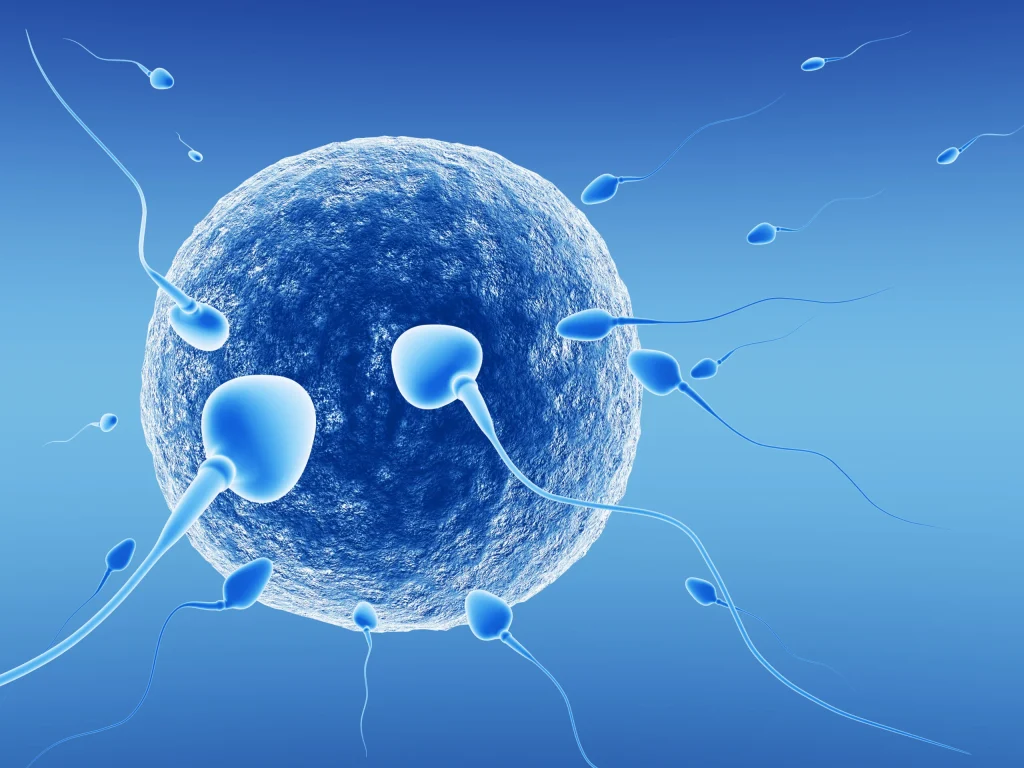
The Science of Age and Fertility: Implications for Artificial Insemination in 2025
The Role of Technology:
Advancements in technology have played a significant role in the success rates of artificial insemination. In recent years, techniques such as preimplantation genetic testing (PGT) and in vitro maturation (IVM) have been developed to improve the chances of conception. PGT allows for the screening of embryos for genetic abnormalities before implantation, reducing the risk of miscarriage. IVM, on the other hand, involves maturing eggs in a laboratory instead of inside the woman’s body, which can be beneficial for women with fertility issues.
In 2025, we can expect to see further advancements in technology that will continue to improve the success rates of artificial insemination, even for women of advanced age. For example, scientists are currently working on developing a method to rejuvenate a woman’s eggs, potentially delaying the effects of the biological clock. This could have significant implications for women who wish to delay motherhood but are concerned about their fertility declining.
Social and Ethical Implications:
The increasing use of artificial insemination has also raised some social and ethical concerns. Women who choose to delay motherhood and rely on artificial insemination may face judgment and criticism from society. Additionally, there are concerns about the potential impact on the children born through artificial insemination, particularly regarding their genetic background and the involvement of a donor.
In 2025, we can expect to see more discussions and debates surrounding these issues, as well as the development of ethical guidelines and regulations to ensure the well-being of both the parents and the children.
Conclusion:
The science of age and fertility has significant implications for artificial insemination in 2025. As more women choose to delay motherhood, it is essential to understand the impact of age on fertility and the success rates of artificial insemination. Advancements in technology will continue to improve the chances of conception, but it is crucial to consider the social and ethical implications of these developments. By understanding the science behind age and fertility, we can make more informed decisions about family planning and fertility treatments.