The Role of Donor Eggs and Surrogacy in AI in Overcoming Infertility
Infertility is a heartbreaking reality for many couples and individuals who dream of starting a family. In recent years, advancements in assisted reproductive technology (ART) have opened up new possibilities for overcoming infertility. Two methods that have gained popularity in this field are the use of donor eggs and surrogacy, both of which play significant roles in artificial insemination (AI). In this blog post, we will explore the role of donor eggs and surrogacy in AI and how they have helped countless individuals and couples to fulfill their dream of parenthood.
Donor Eggs in AI
Donor eggs, also known as donor oocytes, are eggs from a woman who has agreed to donate them for use in ART procedures. These eggs are typically used in cases where the intended mother has a low ovarian reserve or poor egg quality, making it difficult for her to conceive naturally. Donor eggs can also be used for same-sex couples or single individuals who do not have a female partner.
The process of using donor eggs in AI involves synchronizing the menstrual cycles of the donor and the intended mother or surrogate. The donor then undergoes ovarian stimulation to produce multiple eggs, which are retrieved and fertilized with the intended father’s sperm. The resulting embryos are then transferred into the intended mother’s or surrogate’s uterus for implantation.
One of the main advantages of using donor eggs in AI is that it allows women who are unable to produce viable eggs to experience pregnancy and give birth. Donor eggs also offer a higher success rate compared to using a woman’s own eggs, as they are typically from younger and healthier donors. Additionally, donors are carefully screened for any genetic or hereditary conditions, reducing the risk of passing on any health issues to the child.
Surrogacy in AI
Surrogacy involves a woman carrying a pregnancy for another person or couple, who will become the legal parents of the child. There are two types of surrogacy – traditional surrogacy and gestational surrogacy. In traditional surrogacy, the surrogate’s own eggs are used, while in gestational surrogacy, the embryo is created using the intended parents’ or donor’s genetic material.
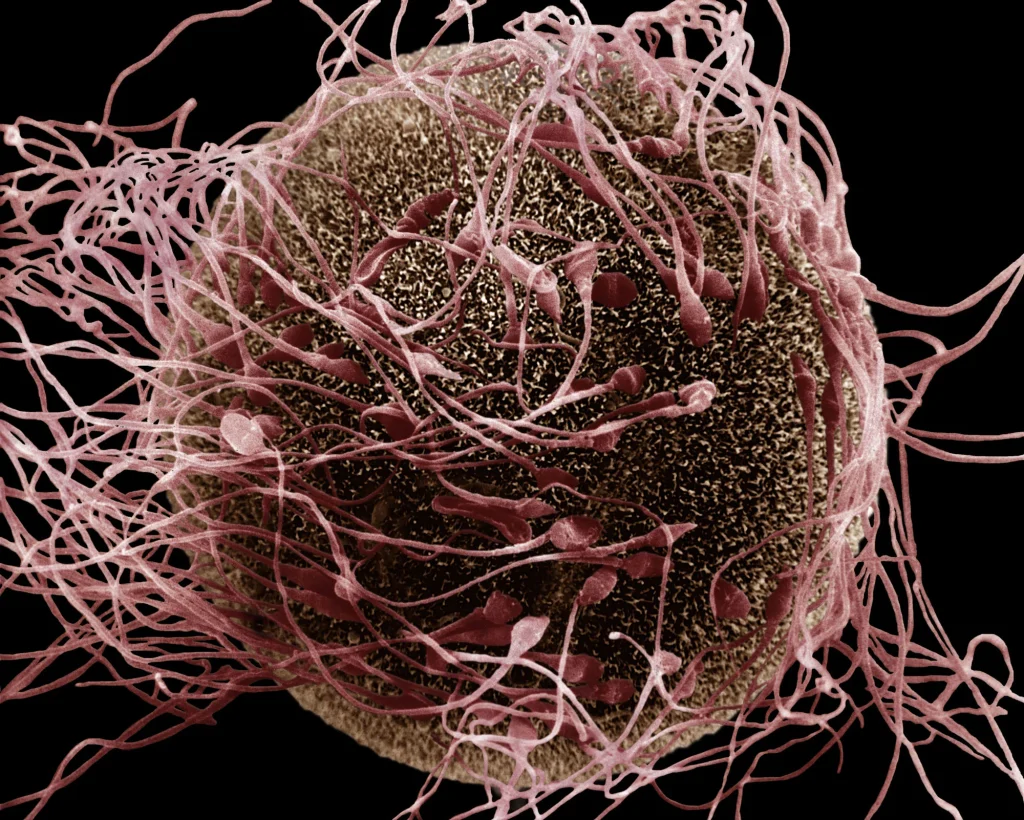
The Role of Donor Eggs and Surrogacy in AI in Overcoming Infertility
Surrogacy may be an option for individuals or couples who are unable to carry a pregnancy due to medical conditions, same-sex couples, or single individuals. The process involves finding a suitable surrogate, undergoing the necessary medical procedures to create an embryo, and then transferring the embryo into the surrogate’s uterus for gestation.
The role of surrogacy in AI is significant as it allows individuals or couples to experience pregnancy and childbirth, even if they are unable to carry a pregnancy themselves. It also offers the possibility of a genetic connection to the child, as the intended parents can use their own genetic material or that of a donor.
Combining Donor Eggs and Surrogacy in AI
For some individuals or couples, using both donor eggs and surrogacy may be the best option for overcoming infertility. This may be the case when the intended mother is unable to carry a pregnancy and also has poor egg quality or a low ovarian reserve.
In these cases, the intended parents can use donor eggs to create an embryo, which is then transferred into the surrogate’s uterus for gestation. This method offers the best chance of success, as it addresses both the egg quality and the inability to carry a pregnancy.
The Role of Artificial Insemination in Donor Eggs and Surrogacy
Artificial insemination (AI) is the process of placing sperm directly into a woman’s reproductive tract, bypassing the cervix and increasing the chances of fertilization. AI plays a crucial role in both donor eggs and surrogacy, as it is used to fertilize the eggs in vitro before transferring them into the intended mother or surrogate’s uterus.
AI has significantly improved the success rates of donor eggs and surrogacy, making it a popular choice for individuals and couples struggling with infertility. It also offers a less invasive and more affordable option compared to other ART procedures such as in vitro fertilization (IVF).
In conclusion, donor eggs and surrogacy play vital roles in AI in overcoming infertility. These methods offer hope and possibilities for individuals and couples who dream of starting a family but are faced with challenges such as low ovarian reserve, poor egg quality, or the inability to carry a pregnancy. With the help of AI, these methods have helped countless individuals and couples to fulfill their dream of parenthood and bring a child into their lives.