Breaking the Mold: Donor Eggs and Surrogacy in AI for Non-Traditional Families
In today’s modern society, the traditional concept of a family has evolved and expanded to include a variety of non-traditional family structures. With advancements in technology and medical science, assisted reproduction methods such as donor eggs and surrogacy have become more accessible and widely accepted, allowing individuals and couples who may not be able to conceive on their own to fulfill their dream of becoming parents. In this blog post, we will delve into the world of donor eggs and surrogacy in the context of AI (Artificial Insemination) and how it is breaking the mold for non-traditional families.
Donor Eggs: A Game-Changer in Assisted Reproduction
The use of donor eggs has revolutionized the field of assisted reproduction, providing hope for individuals and couples who struggle with infertility or genetic disorders. Donor eggs can be used in two main ways – traditional IVF (In-Vitro Fertilization) or AI (Artificial Insemination). In traditional IVF, the donor eggs are fertilized with sperm in a laboratory and the resulting embryos are transferred into the recipient’s uterus. AI, on the other hand, involves the direct placement of sperm into the recipient’s uterus, bypassing the need for fertilization in a laboratory.
One of the main advantages of donor eggs is that it allows for genetic diversity, as the child will have a different genetic makeup from the intended parent(s). This can be particularly beneficial for individuals or couples who have genetic disorders or are carriers of inherited diseases. Donor eggs also provide a viable option for same-sex couples or single individuals who wish to have a biological child.
Surrogacy: A Helping Hand for Non-Biological Parents
Surrogacy is another form of assisted reproduction that has gained popularity in recent years. It involves a woman carrying and giving birth to a child on behalf of another individual or couple. Surrogacy can be used when a woman is unable to carry a pregnancy to term due to medical reasons or for same-sex couples who require a surrogate to carry their child.
In traditional surrogacy, the surrogate’s own egg is fertilized with the intended father’s sperm, making her the biological mother of the child. In gestational surrogacy, the embryo is created through IVF using the intended parents’ or donor’s genetic material, and the surrogate carries the pregnancy but has no genetic relation to the child.
Surrogacy offers a unique opportunity for non-biological parents to experience the joys of parenthood. It also provides a solution for individuals and couples who have exhausted other methods of assisted reproduction or are unable to adopt due to legal or personal reasons.
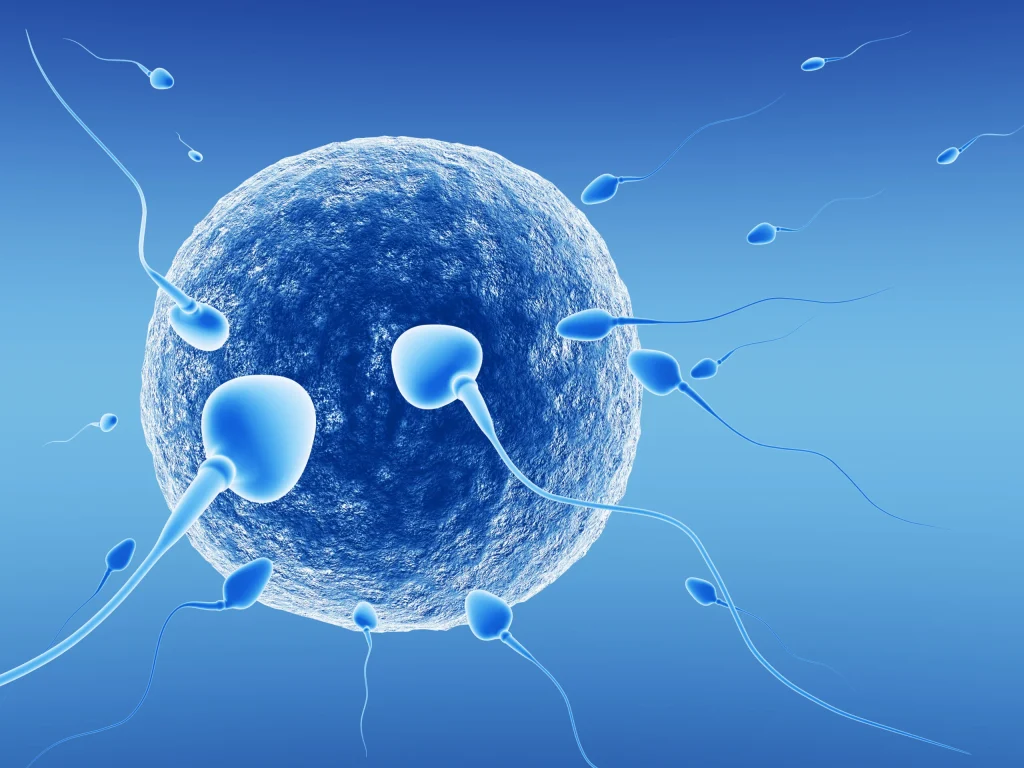
Breaking the Mold: Donor Eggs and Surrogacy in AI for Non-Traditional Families
AI: A Safe and Effective Method for Donor Eggs and Surrogacy
AI (Artificial Insemination) has been a game-changer in the field of assisted reproduction, making it possible to use donor eggs and surrogacy in a safe and effective manner. AI involves the direct placement of sperm into the recipient’s uterus, bypassing the need for fertilization in a laboratory. This method is less invasive and less expensive than traditional IVF, making it a more accessible option for non-traditional families.
In the case of donor eggs, AI eliminates the need for fertilization in a laboratory, reducing the risk of genetic abnormalities or errors during the fertilization process. This method also allows for a more natural and less stressful experience for the recipient, as the embryo is implanted directly into the uterus without the need for invasive procedures.
For surrogacy, AI provides a safe and effective way to inseminate the surrogate without the need for surgical procedures. This not only reduces the risk of complications for the surrogate but also makes the process more affordable for intended parents.
Breaking the Mold for Non-Traditional Families
The combination of donor eggs, surrogacy, and AI has opened up a world of possibilities for non-traditional families. It has given individuals and couples the opportunity to fulfill their dream of having a biological child, regardless of their sexual orientation, medical conditions, or genetic makeup.
Donor eggs and surrogacy in AI have also broken the mold for traditional family structures, challenging societal norms and promoting diversity in the modern world. It has allowed for a more inclusive definition of family and has given hope to those who may have thought parenthood was out of reach.
In addition to breaking the mold for non-traditional families, donor eggs and surrogacy in AI have also made significant advancements in the field of assisted reproduction. It has paved the way for future developments in technology and science, offering even more options for individuals and couples who desire to have children.
In conclusion, donor eggs and surrogacy in AI have revolutionized the world of assisted reproduction, offering a glimmer of hope for those who struggle with infertility or are unable to conceive on their own. It has broken the mold for non-traditional families, providing a path towards parenthood for individuals and couples who may not fit the traditional definition of a family. As technology and science continue to advance, we can only imagine the potential for further advancements in this field, making the dream of parenthood a reality for even more people.