Blog post:
In today’s world, we are constantly searching for ways to improve our health and prevent diseases. While genetics play a major role in our overall health, advancements in technology have opened up new possibilities for ensuring a disease-free future. One such advancement is the use of AI sperm donation, where artificial intelligence is used to select the healthiest and most disease-free sperm for conception. In this blog post, we will explore the potential of AI sperm donation and how it can contribute to a healthier future for generations to come.
Genetics and Health:
Before we dive into the concept of AI sperm donation, it is important to understand the link between genetics and health. Our genes determine many aspects of our health, from physical traits to susceptibility to diseases. While some diseases are caused by a single gene mutation, most are influenced by a combination of genetic and environmental factors.
Inherited diseases, such as cystic fibrosis and sickle-cell anemia, are caused by a faulty gene passed down from parents to their children. These diseases can have a significant impact on an individual’s life, and in some cases, they can be life-threatening. This is where the potential of AI sperm donation comes into play.
What is AI Sperm Donation?
AI sperm donation is a process where artificial intelligence algorithms are used to analyze sperm samples and select the healthiest and most disease-free sperm for conception. This technology is still in its early stages, but it has the potential to revolutionize the field of fertility treatments.
The current process of sperm donation involves screening potential donors for sexually transmitted diseases and genetic disorders. However, this process is not foolproof, and there is always a risk of inherited diseases being passed down to the child. With AI sperm donation, the selection process becomes much more precise and accurate, greatly reducing the risk of inherited diseases.
How Does AI Sperm Donation Work?
The process of AI sperm donation begins with collecting sperm samples from potential donors. These samples are then screened for genetic disorders and sexually transmitted diseases, just like in traditional sperm donation. The difference lies in the next step, where artificial intelligence is used to analyze the sperm samples.
The AI algorithms look for specific genetic markers associated with diseases and health conditions. They also take into account other factors such as sperm count, motility, and morphology. Based on this analysis, the algorithms select the healthiest and most disease-free sperm for conception.
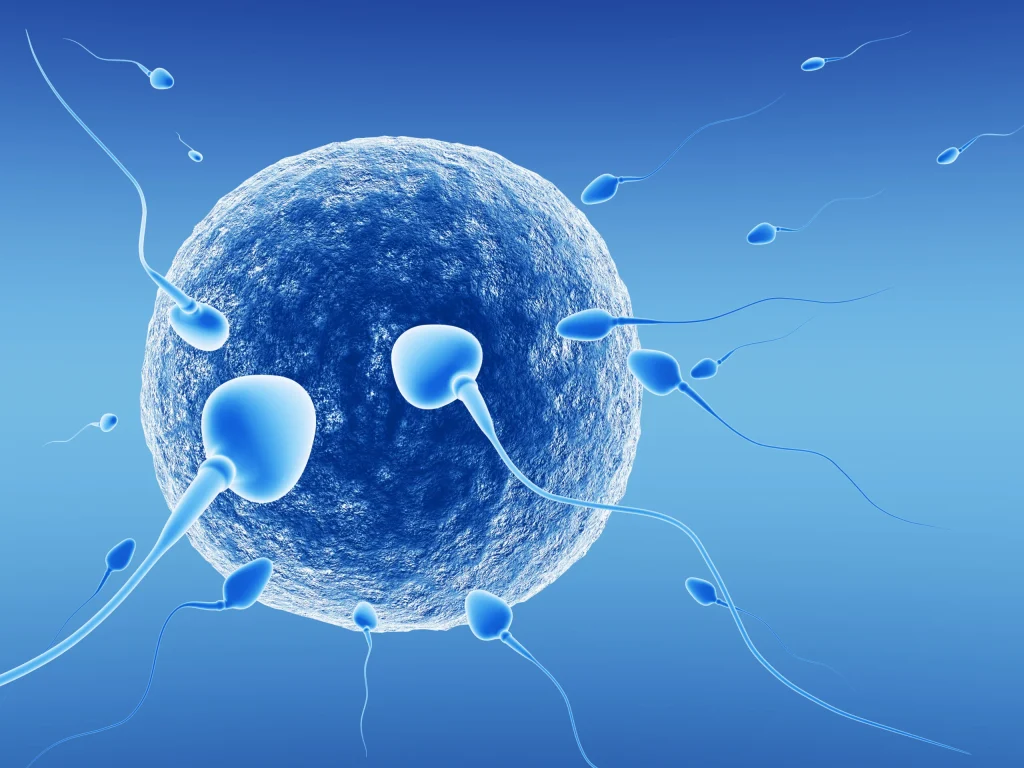
The Genetics of Health: How AI Sperm Donation Can Ensure a Disease-Free Future
Benefits of AI Sperm Donation:
AI sperm donation offers several benefits over traditional sperm donation methods. Firstly, it greatly reduces the risk of inherited diseases being passed down to the child. This is especially important for couples who have a family history of genetic disorders.
Secondly, AI sperm donation can also improve the success rates of fertility treatments. By selecting the healthiest sperm, the chances of a successful pregnancy and healthy child are increased.
Furthermore, AI sperm donation also eliminates the need for complex and invasive genetic testing procedures during pregnancy. This can greatly reduce the stress and anxiety for expectant parents, knowing that their child is less likely to be affected by genetic disorders.
Ensuring a Disease-Free Future:
One of the most exciting aspects of AI sperm donation is its potential to contribute to a disease-free future. By selecting the healthiest and most disease-free sperm, we can greatly reduce the risk of inherited diseases in future generations. This can have a significant impact on the overall health of our society.
Moreover, as AI technology continues to advance, the selection process can become even more precise and accurate. This means that the chances of inherited diseases being passed down to the next generation will be greatly reduced.
Limitations and Concerns:
While AI sperm donation shows great promise, there are some concerns and limitations that need to be addressed. One of the main concerns is the ethical implications of using AI to select human sperm. There are also concerns about the potential for bias in the selection process, as the algorithms are only as unbiased as the data they are trained on.
Furthermore, the cost of AI sperm donation may be a barrier for many couples who are struggling with fertility issues. This technology is still in its early stages and may not be accessible or affordable for everyone.
Summary:
In conclusion, the potential of AI sperm donation in ensuring a disease-free future is immense. By using artificial intelligence to select the healthiest and most disease-free sperm, we can greatly reduce the risk of inherited diseases in future generations. This technology has the potential to revolutionize the field of fertility treatments and contribute to a healthier society. However, it is important to address the limitations and concerns surrounding this technology to ensure its ethical and responsible use.