Blog Post:
In recent years, advancements in technology have opened up new possibilities in the world of fertility. One of the most talked-about developments is the use of artificial intelligence (AI) in selecting sperm donors. This technology has the potential to revolutionize the fertility industry and change the way we think about creating families. In this blog post, we will explore the future of fertility and the impact of AI in selecting a sperm donor in 2025 and beyond.
The Current State of Sperm Donation:
For decades, sperm donation has been a popular option for individuals and couples struggling with fertility issues. It involves using donated sperm to fertilize an egg, either through artificial insemination or in vitro fertilization (IVF). Sperm donors are typically chosen based on physical characteristics, medical history, and sometimes, personal qualities.
However, the current process of selecting a sperm donor is far from perfect. It can be time-consuming and expensive, and there is always the risk of human error. Additionally, there is a limited pool of donors, and finding a suitable match can be challenging, especially for those with specific preferences.
The Role of AI in Sperm Donor Selection:
Artificial intelligence has the potential to address many of the issues faced in traditional sperm donor selection. AI algorithms can analyze vast amounts of data and identify patterns and correlations that humans may miss. This technology can also eliminate human biases, ensuring a fair and unbiased selection process.
In the future, AI could help match individuals and couples with donors based on their desired physical characteristics, medical history, and even personality traits. With the use of facial recognition technology, AI could also generate a composite image of what the potential child may look like, giving parents a glimpse into their future.
The Rise of DNA Testing:
Another significant development in the world of fertility is the availability of at-home DNA testing kits. These kits allow individuals to discover their genetic heritage and potential health risks by simply sending in a saliva sample. This information can also be used to determine a child’s genetic makeup and potential health risks.
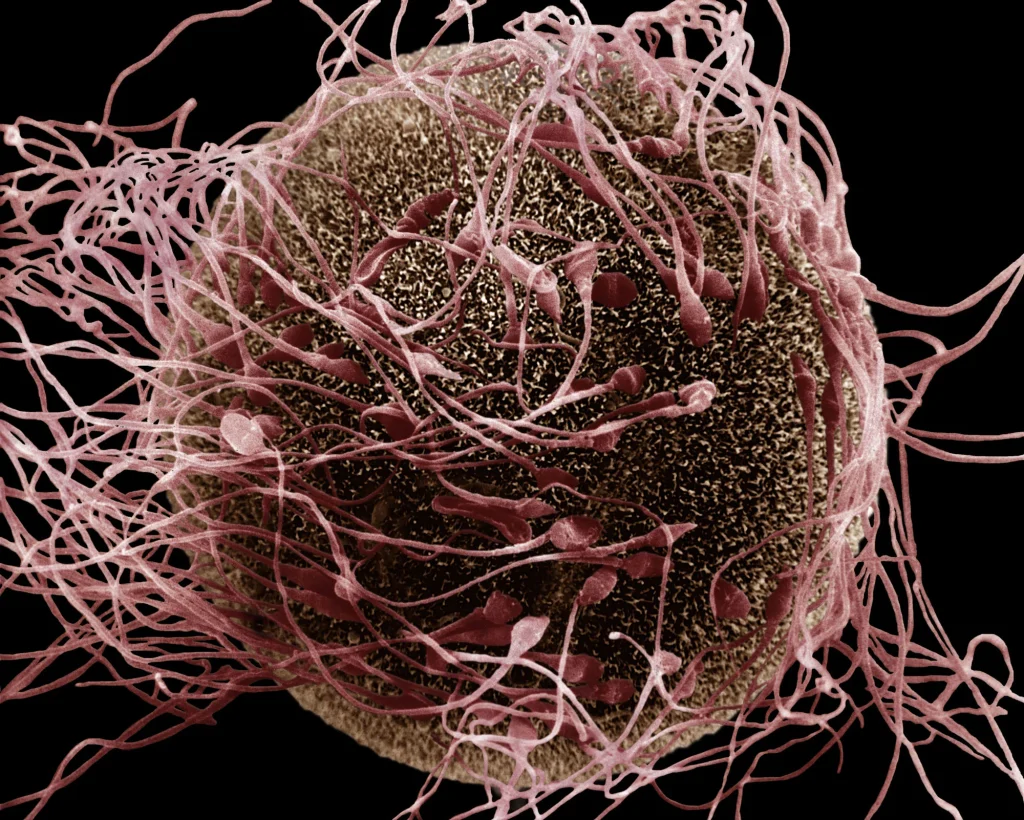
The Future of Fertility: Selecting a Sperm Donor for AI in 2025 and Beyond
With the integration of AI, sperm donor selection could involve analyzing the DNA test results of potential donors. This could provide even more comprehensive information about the donor’s genetic makeup and potential health risks, allowing individuals and couples to make more informed decisions.
Ethical Considerations:
As with any new technology, there are ethical considerations to be addressed when it comes to AI in sperm donor selection. One of the most significant concerns is the potential for eugenics – the idea of creating “perfect” or “designer” babies through genetic selection. This could lead to a society that values certain physical and genetic traits over others, perpetuating discrimination and inequality.
To prevent this, there must be regulations in place to ensure that AI is used ethically in sperm donor selection. This could include guidelines on the use of certain physical and genetic traits and strict oversight of the technology’s development and implementation.
The Future of Fertility:
With the integration of AI and DNA testing, the future of fertility looks very different from what we know today. In 2025 and beyond, we may see a shift towards a more data-driven and personalized approach to sperm donor selection. This technology could also make fertility treatments more accessible and affordable for those who may not have many options currently.
However, there are still many challenges to overcome before AI becomes a standard in sperm donor selection. The technology is still in its early stages, and further research and development are needed to refine and improve its capabilities. There are also ethical and legal considerations that must be addressed to ensure the responsible use of AI in fertility treatments.
In conclusion, the future of fertility is full of possibilities, and AI is set to play a significant role in revolutionizing the industry. With advancements in technology and the integration of AI and DNA testing, we may see a more personalized and data-driven approach to sperm donor selection. However, it is crucial to address ethical concerns and have regulations in place to ensure the responsible use of this technology. As we look towards 2025 and beyond, it is clear that AI will continue to shape the future of fertility.
Summary:
In recent years, advancements in technology have opened up new possibilities in the world of fertility. One of the most talked-about developments is the use of artificial intelligence (AI) in selecting sperm donors. This technology has the potential to revolutionize the fertility industry and change the way we think about creating families. With the integration of AI and DNA testing, the future of fertility may involve a more personalized and data-driven approach to sperm donor selection. However, there are ethical considerations and regulations that must be addressed to ensure the responsible use of this technology.