The intersection of mental health and artificial insemination may not be a topic that immediately comes to mind when discussing the latest advancements in reproductive technology. However, for those struggling with fertility issues and considering artificial insemination, the psychological impact of this process cannot be ignored. In this blog post, we will dive into the complex relationship between mental health and artificial insemination, exploring the various factors that can affect an individual’s emotional well-being during this journey.
First, let’s define what artificial insemination is. Also known as intrauterine insemination (IUI), it is a form of assisted reproductive technology where sperm is inserted directly into a woman’s uterus to increase the chances of fertilization. This procedure is commonly used for couples facing male factor infertility, unexplained infertility, or in same-sex female couples. While it may seem like a straightforward procedure, the emotional toll of artificial insemination can be immense.
One of the primary psychological impacts of artificial insemination is the stress and anxiety that comes with the process. The journey towards parenthood can be a rollercoaster of emotions, and the added pressure of artificial insemination can heighten these feelings. The constant monitoring of ovulation and hormone levels, the financial strain of the procedure, and the uncertainty of the outcome can take a toll on one’s mental health. This stress can also affect the relationship between partners, leading to increased tension and strain.
Furthermore, the emotional impact of failed attempts at artificial insemination can be devastating. The hope and anticipation of becoming pregnant are often followed by disappointment and grief when the procedure is unsuccessful. This can lead to feelings of inadequacy, guilt, and even depression. The repeated disappointment can also cause individuals to question their self-worth and the validity of their desire to become parents.
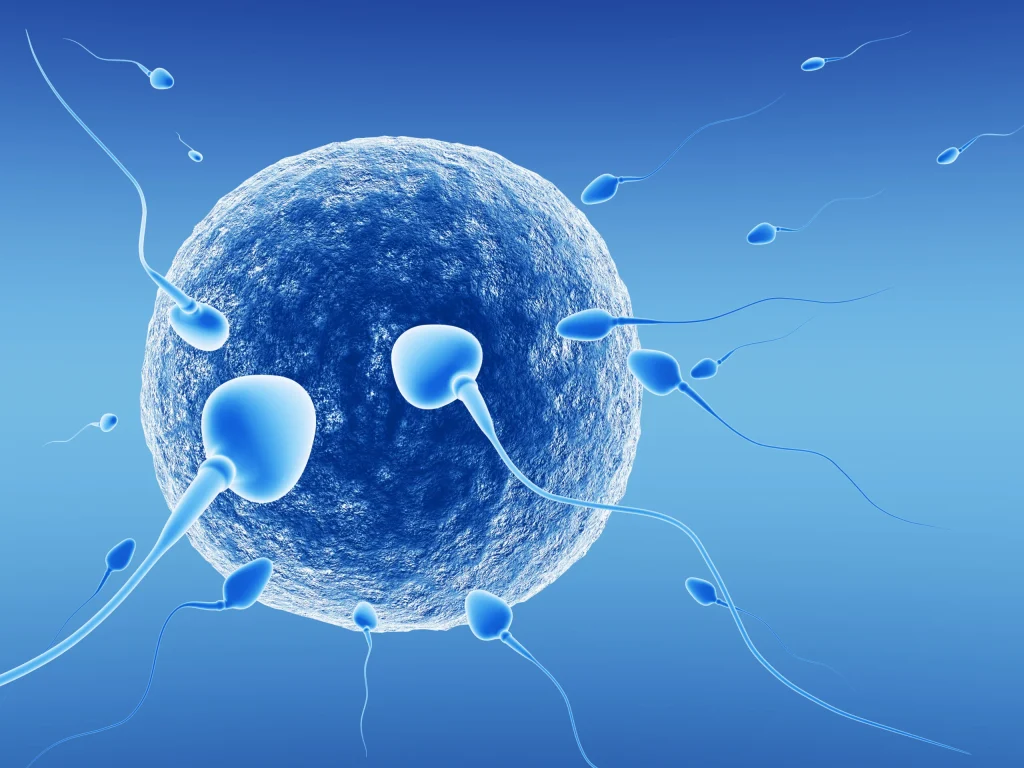
: The Intersection of Mental Health and Artificial Insemination
Another aspect of the intersection between mental health and artificial insemination is the societal pressure and stigma surrounding infertility. Many couples or individuals may feel a sense of shame or failure for not being able to conceive naturally. This can lead to feelings of isolation and shame, which can have a significant impact on one’s mental well-being. It is crucial for individuals undergoing artificial insemination to have a support system and access to mental health resources to cope with these emotions.
On the other hand, artificial insemination can also have a positive impact on mental health. For couples or individuals struggling with infertility, the success of artificial insemination can bring a sense of relief and joy. The feeling of finally being able to conceive can be life-changing and can improve one’s overall mental well-being. This success can also strengthen the bond between partners and bring a sense of hope for the future.
Additionally, the process of artificial insemination allows individuals to take control of their reproductive health and family planning. For those who have faced challenges conceiving naturally, this can be empowering and can improve their self-esteem. It can also provide a sense of control in a situation that may feel out of their hands.
In conclusion, the intersection of mental health and artificial insemination is a complex and multi-faceted topic. While the procedure itself may be a medical one, the emotional impact cannot be ignored. It is essential for individuals considering artificial insemination to prioritize their mental health and seek support during this journey. It is also crucial for society to break the stigma surrounding infertility and create a safe and supportive environment for those undergoing assisted reproductive technology. With the right support and resources, the intersection of mental health and artificial insemination can be a positive and empowering experience for individuals and couples on their path to parenthood.
Meta Description: The relationship between mental health and artificial insemination is a complex one. This blog post delves into the psychological impact of this assisted reproductive technology and the importance of prioritizing mental health during the journey towards parenthood.