Blog Post Title: Tackling Infertility: The Promise of Hormonal Therapy in Artificial Insemination by 2025
Infertility affects millions of people worldwide, causing emotional distress and financial strain. While there are various treatments available for infertility, hormonal therapy in artificial insemination has emerged as a promising solution. In this blog post, we will explore the potential of hormonal therapy in artificial insemination and how it could revolutionize the field of infertility treatment by 2025.
What is Artificial Insemination?
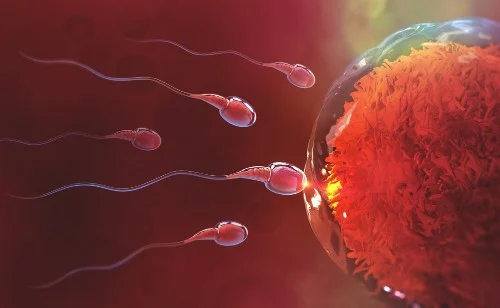
Artificial insemination is a fertility treatment that involves placing sperm directly into a woman’s uterus. This method bypasses the cervix and increases the chances of fertilization. It is a less invasive and more affordable alternative to in vitro fertilization (IVF).
Hormonal Therapy in Artificial Insemination
Hormonal therapy plays a crucial role in artificial insemination. It involves the use of medications to regulate a woman’s reproductive hormones and improve her chances of conceiving. Here’s how hormonal therapy works in artificial insemination:
1. Stimulation of Ovulation: In a natural menstrual cycle, a woman usually produces only one egg. However, in artificial insemination, multiple eggs are desired to increase the chances of fertilization. Hormonal therapy helps stimulate the ovaries to produce more eggs, making the process more effective.
2. Timing of Ovulation: The success of artificial insemination depends on the precise timing of ovulation. Hormonal therapy helps regulate the timing of ovulation, ensuring that the insemination procedure is carried out at the most optimal time.
3. Thickening of Cervical Mucus: Cervical mucus plays a crucial role in fertility as it helps sperm reach the egg. Hormonal therapy can help thicken the cervical mucus, making it easier for sperm to swim through and reach the egg.
4. Improving the Quality of Eggs: As women age, the quality of their eggs decreases, making it harder to conceive. Hormonal therapy can improve the quality of eggs, increasing the chances of successful fertilization.
Tackling Infertility: The Promise of Hormonal Therapy in Artificial Insemination by 2025
The Promise of Hormonal Therapy in Artificial Insemination
Hormonal therapy has shown promising results in improving the success rates of artificial insemination. According to a study published in the Journal of Obstetrics and Gynecology, women who underwent hormonal therapy before artificial insemination had a 22% higher success rate compared to those who did not receive hormonal therapy.
Moreover, hormonal therapy has also been linked to a reduced risk of multiple pregnancies, which is a common concern with artificial insemination. By regulating the number of eggs produced, hormonal therapy can significantly decrease the chances of multiple pregnancies, making it a safer option for women undergoing artificial insemination.
The Future of Hormonal Therapy in Artificial Insemination
With advances in medical technology, hormonal therapy in artificial insemination is expected to become even more effective in the coming years. Here are some potential developments in hormonal therapy that could revolutionize infertility treatment by 2025:
1. Personalized Hormonal Therapy: Currently, hormonal therapy is a one-size-fits-all approach, where all women receive the same dosage of medication. However, with the use of genetic testing and personalized medicine, hormonal therapy could be tailored to each individual’s unique needs, increasing its effectiveness.
2. Use of Growth Factors: Growth factors are proteins that play a crucial role in the development and maintenance of the reproductive system. Research has shown that the use of growth factors in hormonal therapy can improve the quality of eggs and increase the chances of successful fertilization.
3. Combination Therapy: Combining hormonal therapy with other fertility treatments, such as intrauterine insemination (IUI), could further improve the success rates of artificial insemination. This approach would provide a more comprehensive and tailored treatment plan for each individual.
4. Non-hormonal Alternatives: While hormonal therapy has shown promising results, it may not be suitable for everyone. Therefore, researchers are also exploring non-hormonal alternatives, such as using natural substances like melatonin or antioxidants, to improve the success rates of artificial insemination.
In conclusion, hormonal therapy in artificial insemination holds great promise for tackling infertility and could significantly improve the success rates of this fertility treatment. With continued research and advances in medical technology, we can expect to see even more significant developments in hormonal therapy by 2025. This could give hope to millions of individuals struggling with infertility and help them start their journey towards parenthood.
SEO Metadata: