Blog Post:
As technology continues to advance, the field of artificial insemination (AI) has seen significant improvements in recent years. This has led to an increase in success rates and a wider acceptance of AI as a viable method for achieving pregnancy in both humans and animals. One factor that has played a crucial role in this success is the role of hormones. In this blog post, we will explore the current state of AI and the potential impact of hormones in unlocking even greater success by 2025.
Artificial insemination is the process of introducing sperm into a female’s reproductive tract without natural sexual intercourse. It has been used for decades in the livestock industry to improve breeding outcomes and has also gained popularity in human fertility treatments. The traditional method of AI involves collecting semen from a male and directly placing it into a female’s reproductive tract. However, with advancements in technology, AI can now be done using frozen semen, extending its reach to even remote locations.
One of the main factors contributing to the success of AI is the use of hormones. Hormones play a crucial role in regulating the reproductive system and can significantly impact the success of AI in both animals and humans. In the following sections, we will delve deeper into the role of hormones in AI and how it can potentially lead to even greater success by 2025.
Understanding Hormones and Their Role in AI:
Hormones are chemical messengers produced by the endocrine glands that regulate various bodily functions, including reproduction. In both males and females, hormones play a vital role in the development and maturation of the reproductive organs, as well as the production of sperm and eggs. In AI, hormones can be used to manipulate the reproductive cycle and improve the chances of a successful pregnancy.
In females, hormones such as follicle-stimulating hormone (FSH) and luteinizing hormone (LH) are essential for the development and release of eggs. These hormones can be administered in controlled amounts to stimulate the ovaries and produce multiple eggs, increasing the chances of successful fertilization. In AI, this is especially useful in cases where the female has irregular ovulation or other fertility issues.
On the other hand, in males, hormones such as testosterone play a crucial role in sperm production. Testosterone levels can be manipulated through hormone therapy to increase sperm count and improve the quality of sperm. This is particularly useful in cases where the male has a low sperm count or poor sperm motility, both of which can hinder the success of AI.
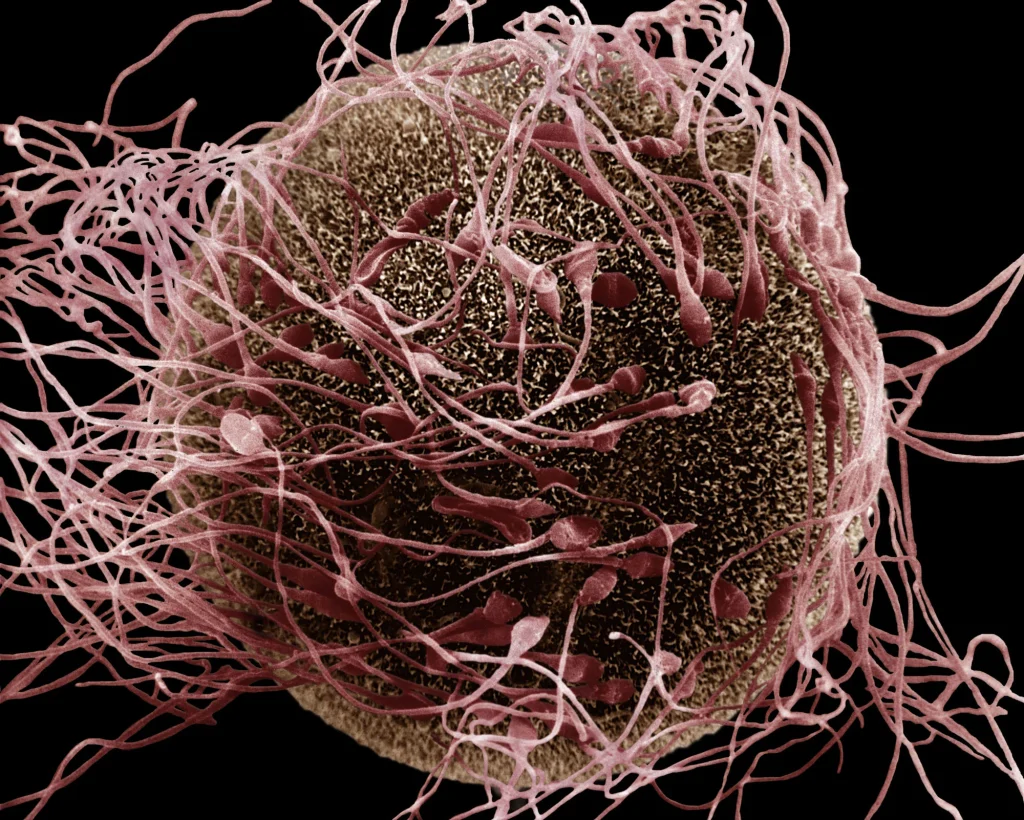
Unlocking the Potential: The Role of Hormones in Artificial Insemination Success by 2025
The Role of Hormones in Timing and Synchronization:
Timing and synchronization of the reproductive cycle are vital for the success of AI. In natural breeding, this is not an issue as the male and female are in close proximity and can synchronize their reproductive cycle naturally. However, in AI, this can be a challenge, especially when using frozen semen. This is where hormones come into play.
Hormones can be used to synchronize the reproductive cycle of the female with the availability of semen. This ensures that the female is at the optimal stage of her cycle for successful fertilization. For example, progesterone can be used to delay ovulation, giving the sperm enough time to reach the egg, increasing the chances of fertilization. This technique, known as timed artificial insemination (TAI), has been shown to significantly improve pregnancy rates in both livestock and humans.
The Future of AI with Hormone Manipulation:
While hormones have already played a crucial role in the success of AI, the potential for even greater success in the future is immense. With ongoing research and advancements in technology, we can expect to see further improvements in AI success rates by 2025.
One area of research that shows promising results is the use of hormonal treatments to improve the quality of semen. This could potentially lead to increased fertilization rates and healthier offspring. Additionally, advancements in the field of gene editing have opened up new possibilities for AI in terms of selecting desirable traits in offspring. Hormonal manipulation could play a significant role in this process by regulating the expression of specific genes.
Moreover, with the increasing demand for sustainable food production, AI is expected to play a crucial role in improving livestock breeding outcomes. Hormones can be used to manipulate the timing of breeding, resulting in more efficient reproduction and higher-quality offspring. This can also help reduce the need for natural breeding, which can be time-consuming and labor-intensive.
Summary:
In conclusion, hormones play a vital role in the success of artificial insemination. They can be used to manipulate the reproductive cycle, improve the quality of sperm and eggs, and synchronize the timing of insemination, all of which contribute to higher success rates. With ongoing research and advancements in technology, the potential for even greater success in AI by 2025 is promising. Hormones will continue to play a crucial role in this process, leading to more efficient and sustainable breeding outcomes in both animals and humans.