Blog Post:
Artificial insemination has been a revolutionary technology in the field of animal breeding, allowing for the selective breeding of animals with desirable genetic traits. It involves the collection of semen from a male animal and its insertion into the reproductive tract of a female animal, bypassing the need for natural mating. This process has been widely used in the agricultural industry to improve the quality and productivity of livestock, as well as in human reproductive medicine for couples struggling with fertility issues.
But what role does genetics play in artificial insemination, and what advancements can we expect in this field in the coming years? In this blog post, we will take a look at the current state of genetics in artificial insemination and explore the potential developments that may shape the future of this technology.
The Role of Genetics in Artificial Insemination:
Genetics plays a crucial role in artificial insemination, as it determines the quality and heritability of the offspring produced. In livestock breeding, farmers use artificial insemination to select for specific traits such as milk production, muscle mass, and disease resistance. By using semen from superior males with desirable genetic traits, farmers can improve the overall quality of their herd, leading to higher productivity and profitability.
In human reproductive medicine, genetics also plays a vital role in artificial insemination. With the help of genetic testing, doctors can identify any inherited genetic disorders or chromosomal abnormalities in the sperm or egg before the insemination process. This allows for the screening and selection of healthy embryos, reducing the risk of passing on genetic diseases to the offspring.
The Current State of Genetics in Artificial Insemination:
One of the major advancements in genetics that has impacted artificial insemination is the development of genetic markers. These are specific regions of DNA that are associated with certain traits, allowing for the identification of desirable traits in animals. By using genetic markers, breeders can select and breed animals with the desired traits, leading to faster and more efficient genetic improvement.
Another significant development in the field of genetics is the use of assisted reproductive technologies (ARTs) such as in vitro fertilization (IVF) and intracytoplasmic sperm injection (ICSI). These techniques allow for the manipulation and selection of embryos with desired genetic traits before they are implanted into the female animal. This not only increases the chances of a successful pregnancy but also allows for the selection of specific traits in offspring, leading to faster genetic progress.
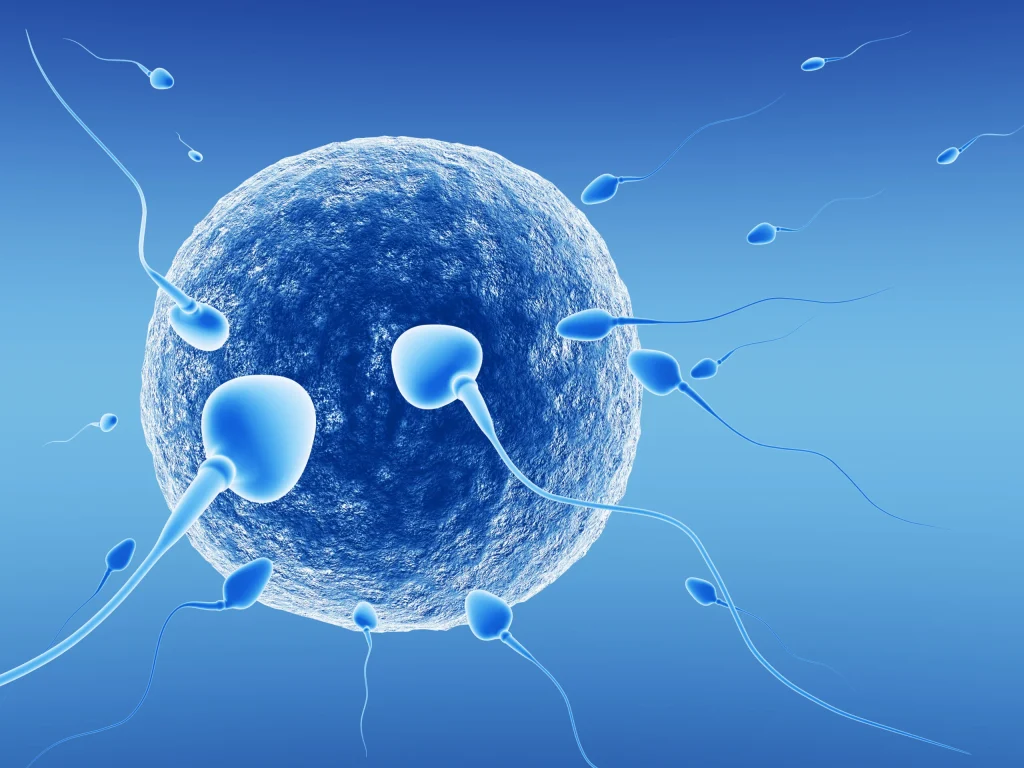
The Role of Genetics in Artificial Insemination: A Look Ahead to 2025
The Future of Genetics in Artificial Insemination:
As we look ahead to 2025, there are several potential advancements in genetics that may impact the field of artificial insemination. One of the most promising developments is gene editing using CRISPR-Cas9 technology. This revolutionary technique allows for the precise editing of genes, opening up possibilities for the elimination of genetic diseases and the enhancement of desirable traits in offspring.
Another potential development is the use of artificial intelligence (AI) in genetics and breeding. By analyzing vast amounts of genetic data, AI algorithms can predict the genetic potential of an animal and its offspring, allowing breeders to make more informed decisions when selecting animals for artificial insemination.
Furthermore, advancements in reproductive genetics may also lead to the use of frozen semen from extinct or endangered species. This could potentially help in the conservation of these species and contribute to the preservation of genetic diversity.
Conclusion:
The role of genetics in artificial insemination is undeniable, and it will continue to shape the future of this technology. With the advancements in genetic markers, ARTs, and the potential of gene editing and AI, we can expect to see faster and more efficient genetic improvement in animals. Furthermore, the use of genetics may also have implications in the conservation of endangered species, highlighting the potential of this technology beyond just breeding.
In conclusion, genetics will play a vital role in the advancement of artificial insemination in the years to come, leading to improved productivity, health, and genetic diversity in animals.
Summary:
Artificial insemination has been a game-changer in animal breeding and human reproductive medicine. The role of genetics in this technology is crucial, as it determines the quality and heritability of the offspring produced. With the use of genetic markers, assisted reproductive technologies, and potential advancements in gene editing and AI, we can expect to see faster and more efficient genetic improvement in animals. Furthermore, the use of genetics may also have implications in the conservation of endangered species. In conclusion, genetics will continue to shape the future of artificial insemination, leading to improved productivity, health, and genetic diversity in animals.