The Human Element: Ethical Considerations in the Use of Artificial Insemination in 2025
In the world of reproductive technology, artificial insemination has been a controversial topic for years. While it has been a widely accepted method for helping couples struggling with infertility, there are also concerns about its ethical implications. As we look ahead to 2025, it is important to examine the human element involved in the use of artificial insemination and the potential ethical considerations that may arise.
What is Artificial Insemination?
Artificial insemination, also known as intrauterine insemination (IUI), is a process in which sperm is injected directly into a woman’s uterus to increase the chances of pregnancy. This can be done with the sperm of a male partner or a donor, and can be used with or without fertility drugs to stimulate ovulation. It is a relatively simple and non-invasive procedure, making it a popular choice for couples struggling to conceive.
The Human Element: Emotional Impact
One of the biggest ethical considerations surrounding artificial insemination is the emotional impact it can have on individuals and couples involved. For those using donor sperm, there may be feelings of loss and grief for the partner whose genetic material is not being used. This can also lead to concerns about the child’s identity and sense of belonging within the family. For individuals using their partner’s sperm, there may be feelings of inadequacy or guilt if the procedure is unsuccessful. Additionally, the potential for multiple pregnancies from the use of fertility drugs can also bring about emotional and financial strain on a couple. It is important for healthcare professionals to fully discuss and address these potential emotional impacts with patients before proceeding with artificial insemination.
Ethical Considerations: Donor Selection and Consent
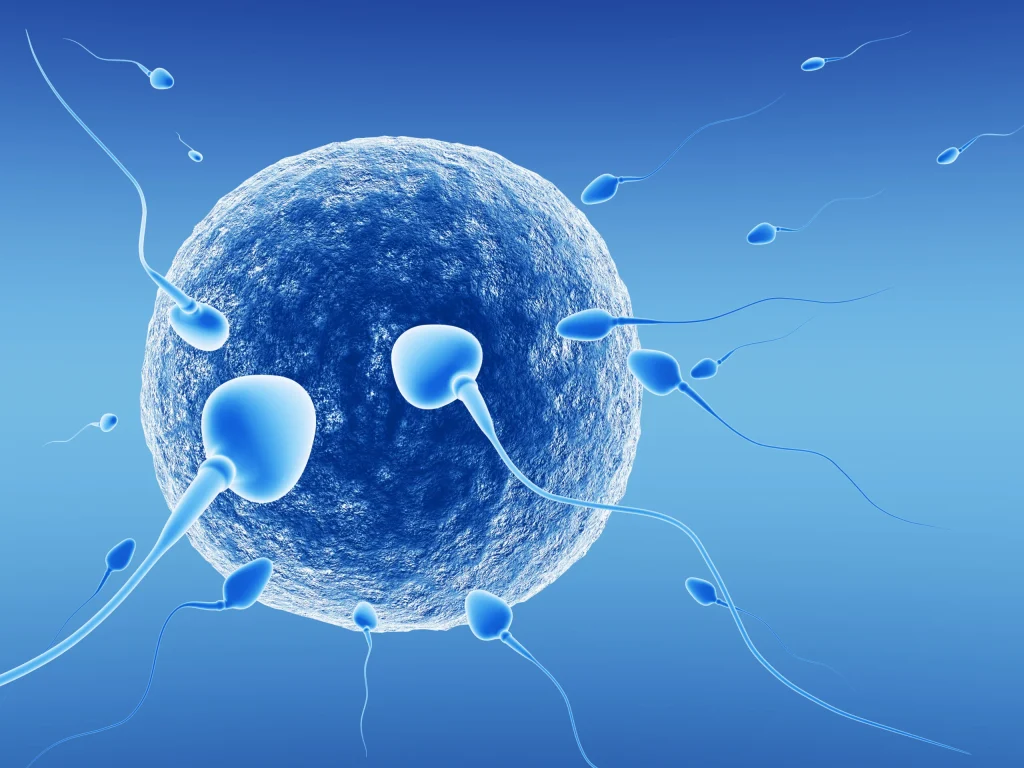
The Human Element: Ethical Considerations in the Use of Artificial Insemination in 2025
Another ethical consideration in the use of artificial insemination is the process of donor selection and consent. It is crucial for donors to fully understand and consent to the use of their genetic material, as well as any potential legal and financial responsibilities that may come with it. There have been cases in which sperm donors have been ordered to pay child support, highlighting the importance of clear and thorough legal agreements. Additionally, there are concerns about the screening process for donors and the potential for passing on genetic conditions or diseases. These considerations raise questions about the rights and responsibilities of both the donor and the recipient in the use of artificial insemination.
Regulation and Accessibility
In 2025, it is likely that the use of artificial insemination will continue to increase, making it crucial to have proper regulation in place. This includes monitoring the safety and efficacy of procedures, as well as ensuring ethical guidelines are being followed. There may also be debates surrounding the accessibility of artificial insemination, as it can be a costly procedure that may not be covered by insurance. This raises concerns about the potential for creating a divide between those who can afford the procedure and those who cannot.
The Future of Artificial Insemination
As technology continues to advance, we may see new methods of artificial insemination emerge in the coming years. One such method is in vitro gametogenesis (IVG), in which sperm and egg cells can be created from a person’s skin cells. This could potentially eliminate the need for donors and open up a whole new set of ethical considerations, such as the potential for designer babies and the question of genetic diversity.
In conclusion, the use of artificial insemination in 2025 raises important ethical considerations surrounding the emotional impact on individuals and couples, the process of donor selection and consent, regulation and accessibility, and the future of artificial insemination. It is crucial for healthcare professionals, policymakers, and society as a whole to carefully consider these ethical implications and continue to have open and honest discussions about the use of reproductive technology.
Summary:
As we look ahead to 2025, it is important to examine the human element involved in the use of artificial insemination and the potential ethical considerations that may arise. These considerations include the emotional impact on individuals and couples, donor selection and consent, regulation and accessibility, and the potential for new technologies to emerge. It is crucial for healthcare professionals and society to carefully consider these ethical implications and have open discussions about the use of reproductive technology.