**Summary**
In 2025, the topic of artificial insemination (AI) continues to be a highly debated and controversial issue. With advancements in technology and medicine, the use of AI has become more accessible and widely used, leading to moral and ethical quandaries. This blog post will explore the various perspectives and arguments surrounding AI, examining both the benefits and drawbacks of this practice.
The discussion around AI centers on the creation of life through artificial means, specifically through the use of donor sperm or eggs. While this method can provide a solution for couples struggling with infertility, it also raises concerns about the commodification of reproductive materials and the potential implications on the child’s identity. Additionally, AI has sparked discussions about the role of technology and its impact on traditional family structures and values.
On one hand, proponents of AI argue that it allows individuals and couples to fulfill their desire to have a child, regardless of their biological limitations. This can be especially beneficial for members of the LGBTQ+ community or single individuals who want to start a family. AI also provides a viable alternative for those who are unable to conceive through natural means, offering them a chance to experience parenthood.
However, opponents of AI argue that it goes against natural conception and could lead to the devaluation of traditional family structures. There are also concerns about the potential exploitation of donors and the lack of regulation in the industry. Some argue that the use of AI could lead to a society where children are seen as commodities, rather than individuals with inherent worth and rights.
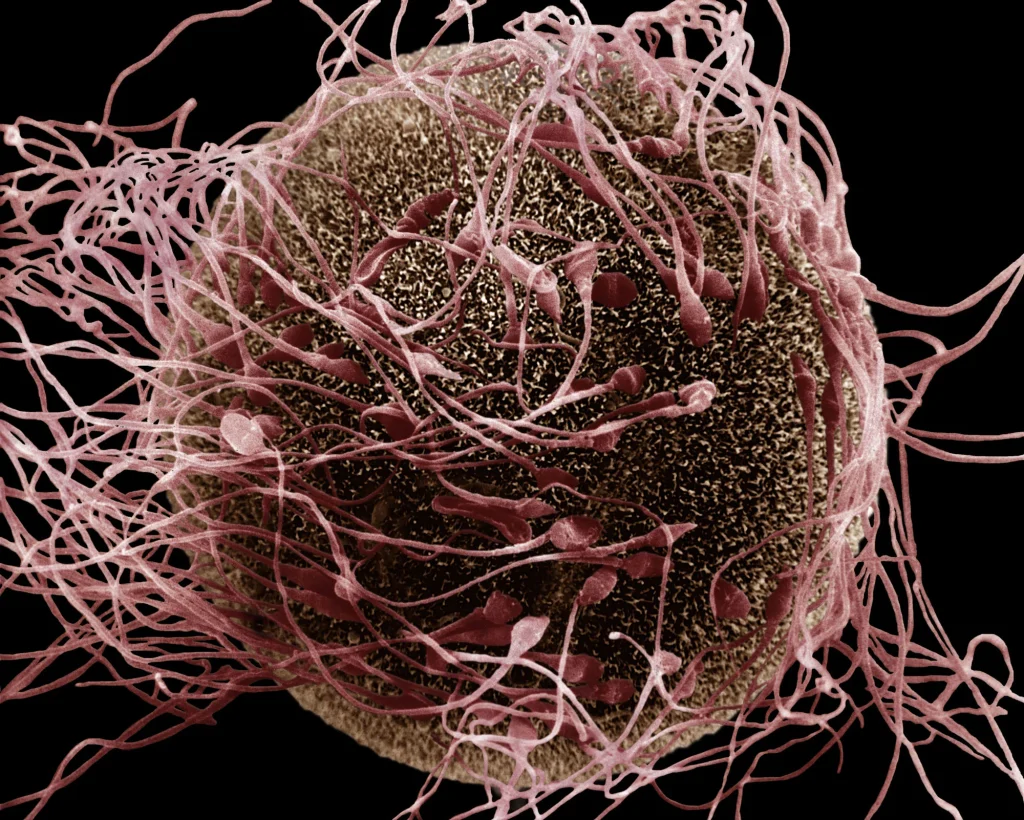
A Moral Quandary: The Controversy Surrounding Artificial Insemination in 2025
Another aspect of the AI controversy is the concept of designer babies. With the ability to choose the genetic traits of a child, there are worries about the potential for eugenics and the creation of a genetically superior class. This raises questions about the ethics of manipulating the genetic makeup of future generations and the potential consequences it could have on society.
Furthermore, AI brings up questions about the child’s identity and their right to know their biological origins. In cases where a donor is used, the child may have a desire to know their genetic heritage and medical history, which could be difficult or impossible to obtain. This could lead to psychological and emotional issues for the child, as well as challenges in forming their sense of self.
In addition to these concerns, there are also practical considerations to take into account. The cost of AI procedures can be exorbitant, making it inaccessible for many individuals and couples. There are also risks involved, such as the potential for health complications during the process and the possibility of multiple births, which can have negative effects on the mother and the child.
The controversy surrounding AI also extends to the legal and regulatory aspects. Currently, regulations on AI vary greatly between countries, with some having strict laws and guidelines while others have little to no regulation. This lack of consistency can lead to issues such as the exploitation of donors, unequal access to AI procedures, and the potential for unethical practices.
In conclusion, the controversy surrounding AI in 2025 is a complex and multifaceted issue. While it offers a solution for those struggling with infertility, it also raises concerns about the commodification of reproductive materials, the potential exploitation of donors, and the impact on traditional family structures and values. As technology continues to advance, it is crucial to have ongoing discussions and debates to ensure that the use of AI is ethical and serves the best interest of all parties involved.
**Keyphrase:** Artificial Insemination in 2025
**Tags:** AI controversy, designer babies, reproductive technology, ethical considerations, regulations and laws.