Summary: In 2025, the world of Artificial Insemination (AI) is set to undergo a major transformation, redefining the concept of parenthood and challenging traditional ethical norms. With advancements in technology and genetic engineering, AI is poised to become a more accessible and socially acceptable method of reproduction. However, this raises important questions about the ethical implications of creating life through AI, including the potential for designer babies, the rights of sperm and egg donors, and the impact on traditional family structures. In this blog post, we will explore the future of AI in 2025 and its potential impact on society.
In recent years, AI has become a popular method for couples struggling with infertility or same-sex couples looking to start a family. However, the current process involves using sperm or eggs from donors, often resulting in a lack of genetic connection between the child and the intended parents. In 2025, we can expect to see advancements in AI technology that will allow for the creation of genetically related children, even for same-sex couples. This could mean using stem cells or artificially created gametes to produce a child with DNA from both parents.
While this may seem like a breakthrough for many, it also raises concerns about the potential for designer babies. With the ability to select specific traits and characteristics, parents may be tempted to create a “perfect” child, leading to a society where genetic superiority is valued over individuality and diversity. This could have far-reaching consequences, both socially and ethically, and will require careful consideration and regulation.
Another ethical issue that arises with the use of AI is the rights of sperm and egg donors. In the current system, donors have the option to remain anonymous, but with advancements in genetic testing and tracking, it may become difficult for donors to maintain their anonymity. This could have significant implications for their privacy and could potentially discourage people from donating, leading to a shortage of sperm and eggs for AI procedures.
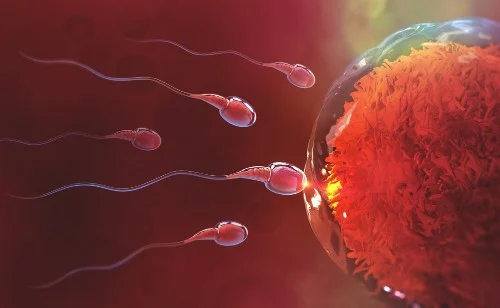
Artificial Insemination in 2025: Redefining Parenthood and Ethics
Moreover, the rise of AI in reproduction could also challenge traditional family structures. As more couples turn to AI to conceive, the role of a biological father may become less significant, and the idea of a “traditional” family could be redefined. This could have a profound impact on societal norms and may require a shift in our understanding of parenthood.
Apart from the ethical concerns, the advancements in AI technology also have the potential to make reproduction more accessible and affordable for all. In 2025, we can expect to see a decrease in the cost of AI procedures, making it a viable option for more people. This could have a positive impact on couples who struggle with infertility or those who want to start a family but cannot do so through traditional means.
In addition to the advancements in genetic technology, AI is also likely to become more socially accepted in the coming years. As more people turn to AI for reproduction, the stigma surrounding it may reduce, leading to a more inclusive and diverse society where all forms of parenthood are recognized and celebrated.
In conclusion, the future of AI in 2025 is set to bring about significant changes in the world of reproduction, challenging traditional notions of parenthood and raising important ethical questions. While the advancements in technology have the potential to make reproduction more accessible and inclusive, it is crucial that we address the ethical implications and regulate the use of AI to ensure it is used responsibly and for the betterment of society.