From Science Fiction to Reality: The Ethical Debate of Artificial Insemination in 2025
Science fiction has long been a source of inspiration and imagination for the advancement of technology and its potential impact on society. From the creation of artificial intelligence to the exploration of new worlds, science fiction has painted a picture of a future that once seemed unimaginable. However, as we enter the year 2025, many of these once fantastical ideas have become a reality, including the use of artificial insemination.
Artificial insemination, also known as assisted reproductive technology (ART), is the process of fertilizing a woman’s egg with sperm outside of the body. This technology has been around for decades, but with recent advancements, it has become more accessible and widely used. In 2025, it is estimated that one in six couples will use some form of ART to conceive a child. While this technology has opened up new possibilities for individuals and couples struggling with infertility, it has also sparked a heated ethical debate.
On one hand, supporters of artificial insemination argue that it allows individuals and couples to fulfill their desire to have biological children, regardless of their fertility status. This can be particularly beneficial for same-sex couples and single individuals who would not be able to conceive a child without the use of ART. Additionally, artificial insemination eliminates the need for a male partner, giving women more autonomy over their reproductive choices.
However, on the other hand, critics of artificial insemination raise concerns about the potential consequences of this technology. One major concern is the impact on traditional family structures and the role of the father. With ART, the biological father may not have any legal or social responsibility towards the child, raising questions about the importance of a child’s genetic connection to their parents. This may also lead to complex legal and social issues, such as disputes over custody and inheritance.
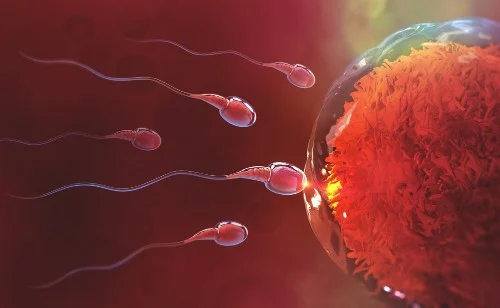
From Science Fiction to Reality: The Ethical Debate of Artificial Insemination in 2025
Another ethical concern is the potential exploitation of women’s bodies. In the process of artificial insemination, women are required to undergo hormonal treatments and invasive procedures, which can have physical and emotional implications. Some argue that this places a burden on women and may even lead to the commodification of their bodies.
In addition, the use of ART has also raised questions about the selection and manipulation of embryos. With technologies like pre-implantation genetic testing, parents can choose the traits and characteristics of their child, leading to concerns about eugenics and the creation of designer babies. This also raises concerns about the potential for discrimination against individuals who are not conceived through ART.
Furthermore, there are concerns about the long-term effects of artificial insemination on society. As this technology becomes more widespread and accessible, it may lead to a decline in natural conception and reproduction. This could have major implications for the future of humanity and raise questions about the ethical boundaries of playing with nature.
As we enter 2025, the use of artificial insemination has become a reality, but the ethical debate surrounding it still rages on. While it offers hope and possibilities for many, it also raises complex ethical issues that must be carefully considered. As with any new technology, it is crucial to have open and honest discussions about its implications and to establish regulations and guidelines to ensure ethical and responsible use.
In conclusion, the once science fiction concept of artificial insemination has become a reality in 2025, but it has also brought with it a host of ethical concerns. As we continue to push the boundaries of technology, it is important to carefully consider the implications and have open and honest discussions about its ethical implications. Only then can we ensure that the advancements we make in science do not come at the cost of our humanity.