Summary:
In recent years, advancements in technology and research have led to significant developments in the field of artificial insemination. With the increasing demand for assisted reproductive technologies, it is predicted that by 2025, the impact of diet and lifestyle on artificial insemination will become even more prominent. This blog post will discuss the current state of artificial insemination, the importance of diet and lifestyle in successful pregnancies through artificial insemination, and the potential predictions for 2025.
The Current State of Artificial Insemination:
Artificial insemination, also known as intrauterine insemination (IUI), is a form of assisted reproductive technology (ART) that involves placing prepared sperm directly into a woman’s uterus during ovulation. This procedure is commonly used for couples struggling with infertility, same-sex couples, and single women who want to conceive.
In the past few decades, there has been a significant increase in the use of artificial insemination, with over 250,000 cycles performed in the United States alone in 2018. This number is expected to continue to rise in the coming years, as more people turn to ART for their fertility needs.
The Impact of Diet and Lifestyle on Artificial Insemination:
Diet and lifestyle play a crucial role in the success of artificial insemination. A healthy and balanced diet, along with regular exercise, can improve overall health and increase the chances of a successful pregnancy. Studies have shown that women who follow a Mediterranean diet, rich in fruits, vegetables, whole grains, and lean protein, have a higher success rate with artificial insemination.
Similarly, maintaining a healthy weight and avoiding habits like smoking and excessive alcohol consumption can also improve the chances of a successful pregnancy through artificial insemination. These lifestyle factors can affect the quality of eggs and sperm, making it more difficult to conceive.
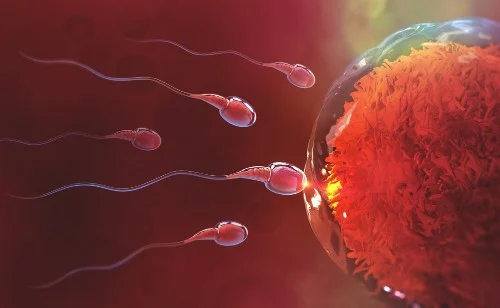
The Impact of Diet and Lifestyle on Artificial Insemination: Predictions for 2025
Predictions for 2025:
As technology continues to advance, the impact of diet and lifestyle on artificial insemination is expected to become even more significant by 2025. Here are some potential predictions for the future:
1. Personalized Nutrition Plans: With the rise of personalized medicine, it is predicted that by 2025, fertility clinics will offer personalized nutrition plans for couples undergoing artificial insemination. These plans will be tailored to each individual’s specific needs and medical history, increasing the chances of a successful pregnancy.
2. Genetic Testing: Currently, genetic testing is used to screen for inherited diseases in the embryo before it is implanted during in vitro fertilization (IVF). However, in the future, genetic testing may also be used to assess the quality of sperm and eggs before artificial insemination. This can help identify any potential issues that may affect the success of the procedure.
3. Lifestyle Coaching: With the understanding that lifestyle factors can impact the success of artificial insemination, fertility clinics may offer lifestyle coaching to couples undergoing the procedure. This can include personalized exercise plans, stress management techniques, and nutritional counseling to optimize the chances of a successful pregnancy.
4. Nutrigenomics: Nutrigenomics is an emerging field that studies how nutrients and dietary factors affect gene expression. It is predicted that by 2025, nutrigenomics will play a significant role in the success of artificial insemination. This can help identify specific dietary needs and deficiencies that may affect fertility and provide personalized recommendations for each individual.
5. Virtual Consultations: With the advancements in telemedicine, virtual consultations may become more prevalent in the field of artificial insemination. This can make it easier for couples to access expert advice and support, regardless of their location.
In conclusion, the impact of diet and lifestyle on artificial insemination is crucial and will continue to grow in significance in the coming years. By following a healthy lifestyle and making necessary changes, individuals can improve their chances of a successful pregnancy through artificial insemination. With the advancements in technology, personalized medicine, and nutrigenomics, the future of artificial insemination looks promising.