Preparing for Parenthood: How Diet and Lifestyle Influence Artificial Insemination in 2025
In the past few decades, the advancements in technology have made artificial insemination a viable option for couples struggling with fertility issues. In 2025, artificial insemination is likely to become even more common and accessible, but what many may not realize is that diet and lifestyle play a significant role in the success of this procedure. In this blog post, we will explore how preparing for parenthood through a healthy diet and lifestyle can influence artificial insemination in 2025.
Understanding Artificial Insemination
Artificial insemination, also known as intrauterine insemination (IUI), is a fertility treatment that involves placing sperm directly into a woman’s uterus to increase the chances of fertilization. It is often recommended for couples who have been trying to conceive for at least a year without success, or for those who have certain fertility issues such as low sperm count or cervical issues.
While artificial insemination may seem like a straightforward procedure, there are many factors that can affect its success. One of the most significant factors is the lifestyle and diet of the individuals involved.
The Role of Diet in Artificial Insemination
A healthy and balanced diet is crucial for overall health and well-being, and it can also greatly impact fertility. In 2025, with the rise of technology and access to information, people are becoming more aware of the importance of proper nutrition in preparing for parenthood.
For couples undergoing artificial insemination, certain nutrients are particularly important. These include folic acid, iron, and omega-3 fatty acids. Folic acid has been found to improve sperm quality and increase the chances of pregnancy, while iron helps with egg production and prevents anemia in women. Omega-3 fatty acids, found in foods like salmon and walnuts, are essential for hormonal balance and can improve the quality of sperm and eggs.
On the other hand, a diet high in processed foods, sugar, and unhealthy fats can have a negative impact on fertility. These foods can lead to weight gain, inflammation, and hormonal imbalances, all of which can affect the success of artificial insemination.
The Importance of a Healthy BMI
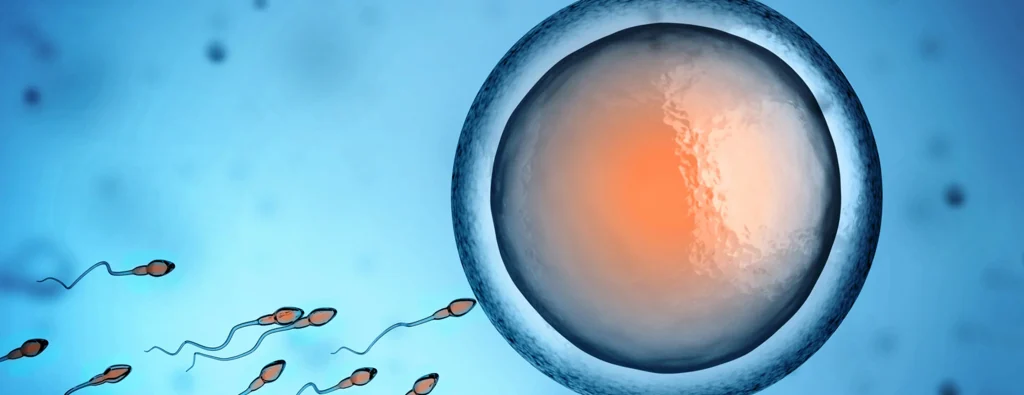
Preparing for Parenthood: How Diet and Lifestyle Influence Artificial Insemination in 2025
Body mass index (BMI) is a measure of body fat based on a person’s height and weight. In 2025, having a healthy BMI will continue to be crucial for those undergoing artificial insemination. A BMI that is too high or too low can affect fertility by disrupting hormone levels.
For women, having a BMI that is too high can lead to irregular menstrual cycles and ovulation, making it more challenging to conceive. On the other hand, a low BMI can cause a decrease in estrogen levels, leading to irregular or absent periods and decreased fertility.
Men with a high BMI may have lower sperm quality and quantity, while a low BMI can lead to a decrease in testosterone levels, which can affect sperm production. Maintaining a healthy BMI through a balanced diet and regular exercise is essential for preparing for parenthood through artificial insemination.
The Impact of Lifestyle Choices
In addition to diet, lifestyle choices can also have a significant impact on the success of artificial insemination. Smoking, excessive alcohol consumption, and drug use can all decrease fertility in both men and women. In 2025, it is likely that more and more couples will be aware of the harmful effects of these habits on their fertility and take steps to quit or reduce them.
Stress is another lifestyle factor that can affect the success of artificial insemination. In today’s fast-paced world, stress is often unavoidable, but it is crucial to find healthy ways to manage it. High levels of stress can lead to hormonal imbalances and disrupt the menstrual cycle, making it more difficult to conceive.
Preparing for Parenthood Through Healthy Habits
In addition to making dietary and lifestyle changes, there are other healthy habits that couples can adopt to prepare for parenthood through artificial insemination. These include getting enough sleep, exercising regularly, and reducing exposure to environmental toxins.
Getting enough sleep is crucial for hormonal balance and overall health. It is recommended to aim for 7-9 hours of sleep each night. Regular exercise can also improve fertility by reducing stress, maintaining a healthy BMI, and improving overall physical health.
Environmental toxins, such as pesticides, chemicals, and pollutants, can also have a negative impact on fertility. Couples can reduce their exposure to these toxins by choosing organic foods, using natural cleaning and personal care products, and avoiding secondhand smoke.
In summary, preparing for parenthood through artificial insemination in 2025 involves much more than just the medical procedure. A healthy diet, maintaining a healthy BMI, and making positive lifestyle choices are essential for optimizing the success of this fertility treatment. By taking care of their bodies and making healthy choices, couples can increase their chances of starting a family through artificial insemination.