Blog Post Title: The Evolution of Artificial Insemination: Exploring the Role of Diet and Lifestyle
Artificial insemination is a reproductive technology that has been used in various animal species for centuries. However, with advancements in science and technology, it has become an essential tool in the field of human fertility as well. In recent years, there has been a growing interest in the role of diet and lifestyle in the success of artificial insemination. This blog post will explore the evolution of artificial insemination and how diet and lifestyle can impact its effectiveness.
Evolution of Artificial Insemination
The first recorded use of artificial insemination dates back to the 18th century, where it was used to improve the quality of livestock. In the 1910s, researchers successfully used artificial insemination in rabbits, and by the 1930s, it became a common practice in cattle breeding. However, it was not until the 1970s that artificial insemination was used in humans, primarily for couples with male infertility issues.
With advancements in technology, the process of artificial insemination has evolved significantly. In the past, the procedure involved collecting semen from the male partner and manually inserting it into the female’s reproductive tract. Today, there are various techniques and methods used, such as intrauterine insemination (IUI) and in vitro fertilization (IVF), which have significantly improved the success rates of artificial insemination.
The Role of Diet in Artificial Insemination
Diet plays a crucial role in overall health, and it also affects fertility. Studies have shown that obesity and poor nutrition can have a negative impact on both male and female fertility. In men, a high body mass index (BMI) has been linked to decreased sperm quality and quantity, making it more challenging to achieve pregnancy through artificial insemination. Similarly, a diet high in saturated fats and low in antioxidants has been associated with a decrease in sperm motility and an increase in DNA damage.
In women, obesity can also affect fertility by causing hormonal imbalances and ovulatory dysfunction. It can also increase the risk of pregnancy complications, such as gestational diabetes and preeclampsia. Studies have also shown that a healthy diet, rich in fruits, vegetables, and whole grains, can improve the success rates of artificial insemination in women.
The Impact of Lifestyle on Artificial Insemination
Apart from diet, lifestyle factors such as smoking, alcohol consumption, and stress can also affect the success of artificial insemination. Smoking has been linked to decreased sperm quality and quantity in men, and it can also affect the quality of the eggs produced by women. Similarly, excessive alcohol consumption can impair sperm production in men and disrupt the menstrual cycle in women.
Moreover, stress has been shown to affect fertility by altering hormone levels and interfering with ovulation. In a study conducted on women undergoing IVF, those who reported higher stress levels had lower pregnancy rates compared to those with lower stress levels. Therefore, it is essential for couples undergoing artificial insemination to adopt a healthy lifestyle and manage stress levels to increase the chances of success.
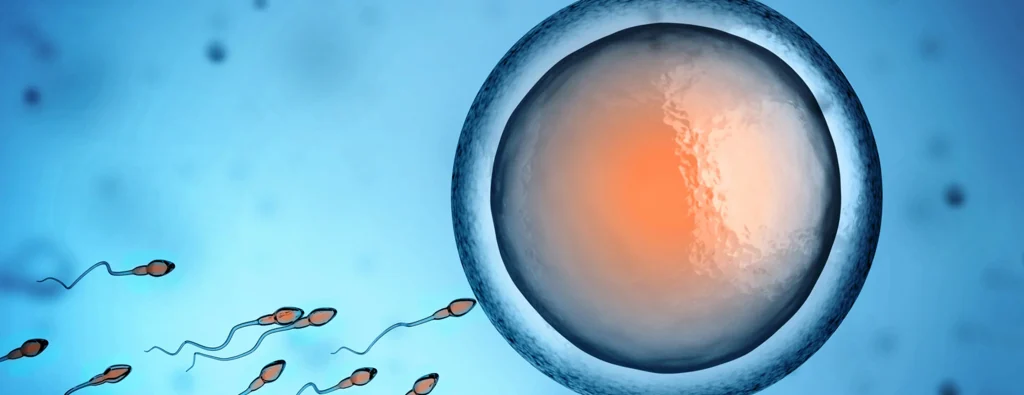
The Evolution of Artificial Insemination: Exploring the Role of Diet and Lifestyle
Tips for a Fertility-Friendly Diet
For couples undergoing artificial insemination, it is crucial to follow a fertility-friendly diet to improve their chances of success. Here are some tips to keep in mind:
1. Increase intake of fruits and vegetables: Fruits and vegetables are rich in antioxidants, which can help improve sperm quality and protect against DNA damage.
2. Choose healthy fats: Instead of saturated and trans fats, opt for healthy fats such as omega-3 fatty acids found in fish, nuts, and seeds. These fats have been linked to improved sperm quality and increased fertility in women.
3. Limit processed foods: Processed foods are often high in trans fats, which can decrease sperm quality and quantity. They also contain added sugars, which can cause inflammation and hormonal imbalances in the body.
4. Stay hydrated: Drinking enough water is essential for overall health, including fertility. It helps maintain the quality and quantity of cervical mucus, which is crucial for sperm transport and fertilization.
5. Avoid alcohol and caffeine: Excessive alcohol consumption can affect sperm production and quality, while caffeine can interfere with ovulation and affect the quality of eggs produced.
In conclusion, the evolution of artificial insemination has made it a widely accessible and effective method of assisted reproduction. However, the success of this procedure is not solely dependent on technology, but also on the individuals’ diet and lifestyle. By adopting a healthy diet and managing stress levels, couples can increase their chances of success and fulfill their dream of starting a family.
Summary:
Artificial insemination has evolved significantly over the years, from being used in animal breeding to becoming a vital tool in human fertility. Diet and lifestyle have been found to play a significant role in the success of artificial insemination. Obesity, poor nutrition, smoking, alcohol consumption, and stress can all negatively impact fertility. A fertility-friendly diet, including fruits, vegetables, healthy fats, and limiting processed foods, can improve the chances of success. Managing stress levels is also crucial for couples undergoing artificial insemination.