Blog Post:
The Future of Fertility: How Diet and Lifestyle Choices Will Shape Artificial Insemination
As technology continues to advance, so does the field of fertility and reproductive medicine. In recent years, there has been a significant increase in the use of artificial insemination as a method for couples and individuals to conceive. However, with this rise in artificial insemination, there is also a growing concern about the impact of diet and lifestyle choices on fertility and the success of this procedure. In this blog post, we will explore the future of fertility and how diet and lifestyle choices may play a crucial role in shaping artificial insemination.
The Rise of Artificial Insemination
Artificial insemination, also known as intrauterine insemination (IUI), is a procedure where sperm is placed directly into a woman’s uterus through a catheter. This method is often used by couples who have difficulties conceiving naturally or for individuals who want to have a child without a partner. According to a report by the Society for Assisted Reproductive Technology, the use of artificial insemination has increased by 27% between 2006 and 2016 in the United States alone.
One of the main reasons for this rise in artificial insemination is the advancements in technology and the success rates of the procedure. With the use of high-tech equipment and advanced techniques, fertility specialists can now select the healthiest and most viable sperm for insemination, increasing the chances of a successful pregnancy. Additionally, artificial insemination is a less invasive and more affordable option compared to other fertility treatments such as in vitro fertilization (IVF).
Diet and Fertility: What’s the Connection?
It is no secret that what we eat and how we live our lives can have a significant impact on our overall health. However, many people may not realize that diet and lifestyle choices can also affect fertility. Studies have shown that being overweight or underweight can have adverse effects on fertility, with both conditions being associated with hormonal imbalances and ovulation disorders in women.
Moreover, a poor diet that lacks essential nutrients can also affect fertility. For example, a diet high in processed foods, trans fats, and sugar has been linked to a higher risk of ovulatory infertility in women. On the other hand, a diet rich in fruits, vegetables, whole grains, and healthy fats has been linked to improved fertility.
The Impact of Diet and Lifestyle on Artificial Insemination
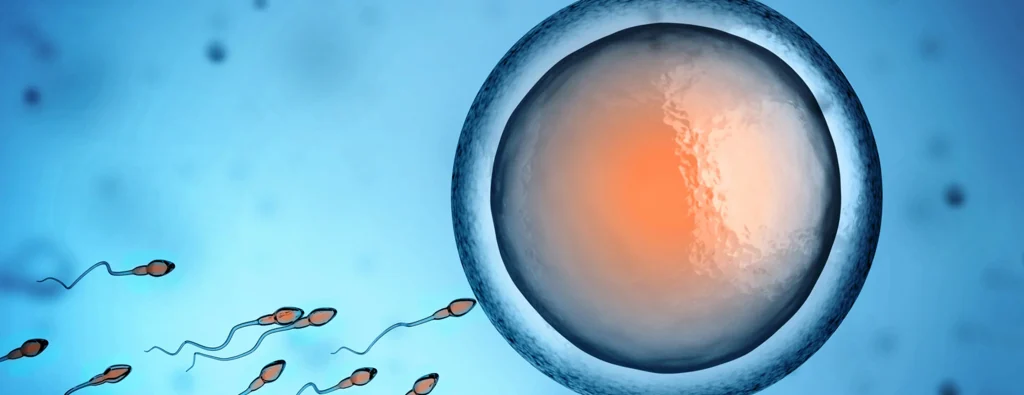
The Future of Fertility: How Diet and Lifestyle Choices Will Shape Artificial Insemination
As artificial insemination becomes a more popular method for couples and individuals to conceive, the impact of diet and lifestyle on the success of this procedure becomes increasingly significant. A study published in the Journal of Obstetrics and Gynaecology Canada found that women who followed a healthy diet and lifestyle had higher success rates with artificial insemination compared to those who did not.
A balanced diet that includes all the essential nutrients, such as folate, iron, and omega-3 fatty acids, can improve overall reproductive health and increase the chances of a successful pregnancy through artificial insemination. Moreover, maintaining a healthy weight and engaging in regular physical activity can also play a role in the success of artificial insemination.
The Role of Preconception Care
Preconception care is essential for anyone planning to conceive, whether through natural means or artificial insemination. It involves making healthy lifestyle choices, such as maintaining a balanced diet, quitting smoking, and reducing alcohol consumption, to optimize fertility and improve the chances of a healthy pregnancy.
In the future, preconception care will likely play an even more critical role in the success of artificial insemination. With the use of advanced genetic testing, fertility specialists can now identify potential genetic disorders before pregnancy, allowing couples to make informed decisions about their options and increase the chances of a healthy baby.
The Future of Artificial Insemination: Personalized Care
As technology continues to advance, the future of artificial insemination looks promising. With the use of genetic testing, fertility specialists can now provide personalized care to couples and individuals seeking artificial insemination. This means that treatment plans can be tailored to each individual’s unique genetic makeup, increasing the chances of a successful pregnancy.
Moreover, with the rise of telemedicine and virtual consultations, patients can now access fertility specialists from the comfort of their own homes. This can be especially beneficial for those living in remote areas or with limited access to fertility clinics.
In conclusion, as artificial insemination becomes a more popular method for couples and individuals to conceive, the impact of diet and lifestyle choices on fertility becomes increasingly important. Maintaining a healthy diet and lifestyle can not only improve overall reproductive health but also increase the chances of a successful pregnancy through artificial insemination. With the advancements in technology and personalized care, the future of artificial insemination looks bright and promising.
Summary:
Artificial insemination has become a popular method for couples and individuals to conceive, thanks to advancements in technology and its success rates. However, as the use of this procedure rises, there is a growing concern about the impact of diet and lifestyle choices on fertility and its success. Studies have shown that maintaining a healthy weight and following a balanced diet can improve overall reproductive health and increase the chances of a successful pregnancy through artificial insemination. Preconception care and personalized treatment plans, with the use of genetic testing, will likely play a crucial role in the future of artificial insemination.