Artificial insemination, also known as intrauterine insemination (IUI), is a form of assisted reproductive technology (ART) that involves the insertion of sperm directly into a woman’s uterus to increase the chances of pregnancy. This process has become increasingly popular in recent years, with the rise of fertility clinics and advancements in reproductive technology. However, the intersection of religion and science has raised complex ethical and moral questions surrounding the use of artificial insemination.
The history of artificial insemination can be traced back to the 18th century when animal breeders began experimenting with the process. It wasn’t until the 20th century that this technology was used in humans. The first successful artificial insemination in humans was recorded in 1884, but it wasn’t until the mid-20th century that it became a widely accepted and practiced procedure.
Fertility clinics, also known as reproductive clinics, are specialized medical facilities that provide a range of reproductive services, including artificial insemination. These clinics offer hope to couples struggling with infertility, providing them with a chance to conceive and start a family. With advancements in technology, fertility clinics are now able to offer a variety of treatments, including in vitro fertilization (IVF), surrogacy, and egg freezing.
One of the main reasons for the increase in the use of artificial insemination is the rise in infertility rates. According to the World Health Organization, infertility affects one in every four couples in developing countries. In developed countries, the prevalence of infertility is estimated to be around 15%. As more and more couples struggle with infertility, the demand for assisted reproductive technologies, such as artificial insemination, continues to grow.
However, the use of artificial insemination has also sparked debates and controversies, particularly in religious communities. Many religions have strict teachings on procreation and view artificial insemination as a violation of natural law. For example, in the Catholic Church, artificial insemination is seen as a sin because it separates the unitive and procreative functions of sex. Similarly, in Orthodox Judaism, artificial insemination is not allowed unless the sperm is from the woman’s husband.
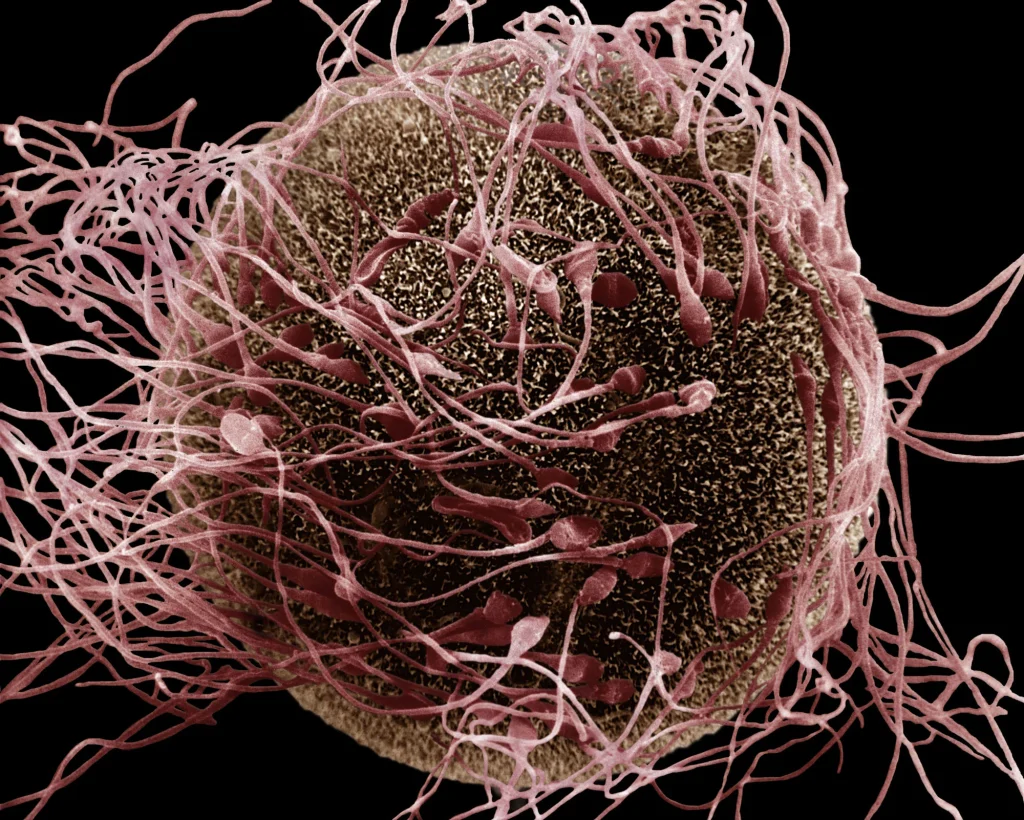
Artificial Insemination and Fertility Clinics: The Intersection of Religion and Science
In addition to religious beliefs, some ethical concerns have also been raised about artificial insemination. One of the main concerns is the potential for the creation of “designer babies.” With the ability to choose the sperm donor, some fear that this technology could lead to the creation of genetically enhanced or “perfect” babies. There are also concerns about the well-being of the child conceived through artificial insemination and their right to know their genetic origins.
Despite these ethical concerns, the use of artificial insemination continues to grow, and fertility clinics are becoming more common. This has led to the need for regulations and guidelines to ensure the responsible use of this technology. In many countries, there are laws that govern the use of artificial insemination, such as age limits, the number of embryos that can be transferred, and restrictions on the use of donor sperm.
In some cases, religious beliefs and ethical concerns have also influenced these regulations. For example, some countries have laws that prohibit the use of donor sperm, while others require the sperm donor to undergo genetic testing to ensure they are not at risk of passing on hereditary diseases.
It is essential to note that not all religious groups oppose artificial insemination. In fact, many religious leaders have embraced this technology as a way to help couples struggling with infertility. They argue that it is a way to fulfill the biblical commandment to “be fruitful and multiply” and view it as a form of medical intervention rather than a violation of religious teachings.
In conclusion, the intersection of religion and science in the field of artificial insemination and fertility clinics has raised complex ethical and moral questions. While religious beliefs and ethical concerns may influence the use of this technology, it continues to offer hope to couples struggling with infertility. As this technology continues to advance, it is crucial to have open and respectful discussions about its use and to ensure that regulations are in place to protect the well-being of all parties involved.
In summary, artificial insemination and fertility clinics have become increasingly popular in recent years, offering hope to couples struggling with infertility. However, the intersection of religion and science has raised ethical and moral questions surrounding the use of this technology. While some religious groups oppose artificial insemination, others have embraced it as a form of medical intervention. Regulations and guidelines are in place to ensure responsible use, but ongoing discussions are necessary to address concerns and protect the well-being of all parties involved.