Summary:
Artificial insemination has been a revolutionary technology that has greatly impacted the world of agriculture, animal breeding, and human fertility. With the advancement of science and technology, the use of artificial insemination has become more widespread and has opened the door to new possibilities in the future. In this blog post, we will take a look at the current impact of artificial insemination and explore its potential in the year 2025 and beyond.
The Current Impact of Artificial Insemination:
Artificial insemination (AI) is the process of introducing sperm into the reproductive tract of a female to achieve pregnancy. It has been widely used in animal breeding for decades, and more recently, in human fertility treatments. The use of AI has greatly improved the efficiency of animal breeding, allowing for the selection of desired traits and the preservation of valuable genetics. In human fertility treatments, AI has provided a solution for couples struggling with infertility, offering them a chance to conceive and have a biological child.
One of the biggest impacts of AI is the ability to increase the genetic diversity of a population. In animal breeding, AI allows for the introduction of desirable traits from different individuals, leading to healthier and more productive offspring. This has been particularly beneficial in preserving endangered species and improving the quality of livestock. In humans, AI has helped to overcome genetic disorders and hereditary diseases by allowing for the selection of healthy embryos for implantation.
AI has also been a game-changer in terms of efficiency and cost-effectiveness. In animal breeding, AI eliminates the need for natural mating, which can be time-consuming and costly. It also reduces the risk of injury to both the male and female animals. In humans, AI has significantly increased the success rates of fertility treatments, reducing the need for multiple attempts and the associated costs. This has made fertility treatments more accessible and affordable for couples.
The Future of Artificial Insemination:
As we look towards the future, the use of AI is expected to continue to grow and evolve. In the year 2025 and beyond, we can expect to see even more advanced techniques and technologies being used in artificial insemination.
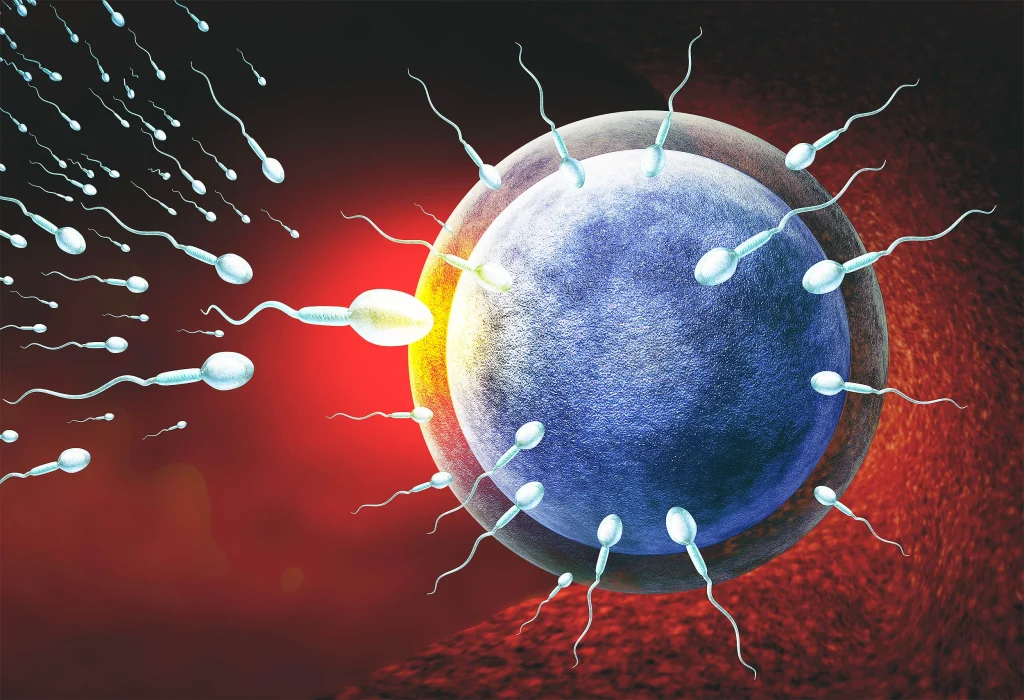
The Impact of Artificial Insemination: A Look at 2025 and Beyond
One of the most exciting developments in AI is the use of gene editing tools such as CRISPR-Cas9. This technology allows scientists to make precise changes to the DNA of an embryo, potentially eliminating genetic diseases and disorders. This could have a significant impact on human fertility treatments, allowing for the birth of healthier and genetically superior babies.
In animal breeding, AI is expected to play a crucial role in addressing the growing demand for food. With the world’s population projected to reach 9.7 billion by 2050, there will be a need for more efficient and sustainable methods of food production. AI can help to increase the productivity and quality of livestock, making it an essential tool in meeting this demand.
Another area where AI is expected to make a significant impact is in the preservation of endangered species. With the increasing threat of extinction due to habitat destruction and climate change, AI can be used to preserve the genetics of these species and potentially bring them back from the brink of extinction. This has already been successfully done with the Northern White Rhino, where AI was used to produce embryos that could potentially lead to the birth of a new calf.
Challenges and Ethical Considerations:
While the potential of AI is vast, there are also challenges and ethical considerations that need to be addressed. In human fertility treatments, the use of AI raises questions about the ethics of selecting and editing embryos for desired traits. There are also concerns about the potential for genetic discrimination and the creation of “designer babies.”
In animal breeding, there are concerns about the impact of AI on genetic diversity. With the use of AI, there is a risk of narrowing the gene pool and increasing the chances of genetic disorders. This could have detrimental effects on the long-term health and viability of certain species.
Additionally, the use of AI raises questions about the role of traditional breeding methods and the potential loss of genetic diversity. It is essential to strike a balance between the use of AI and natural breeding methods to maintain a healthy gene pool and preserve the integrity of certain species.
Conclusion:
In conclusion, the impact of artificial insemination has been significant and will continue to shape the future of agriculture, animal breeding, and human fertility. With the advancements in technology, the potential of AI in the year 2025 and beyond is immense. However, it is crucial to consider the ethical and environmental implications of its use and work towards finding a balance between progress and preservation.