Blog Post: A Look into the Crystal Ball: Predictions for Artificial Insemination in 2025
Artificial insemination has been a groundbreaking technology in the field of reproductive health. It has helped many couples and individuals achieve their dream of starting a family, and has also played a significant role in preserving endangered species. However, as with any technology, artificial insemination is constantly evolving and improving. With advancements in science and technology, it is exciting to look into the future and make predictions about what artificial insemination may look like in 2025. In this blog post, we will explore some of the potential advancements and changes in the field of artificial insemination that may occur in the next five years.
1. More Accurate and Efficient Techniques
One of the most significant predictions for artificial insemination in 2025 is the development of more accurate and efficient techniques. Currently, artificial insemination involves the placement of sperm directly into the female reproductive tract. However, this technique is not always successful, and there is room for improvement. In the coming years, we can expect to see the development of new techniques that can accurately and efficiently deliver sperm to the desired location, increasing the chances of a successful pregnancy.
One such technique that is currently being researched is the use of nanotechnology in artificial insemination. Nanotechnology involves the manipulation of materials at the nanoscale, allowing for precise delivery of sperm to the egg. This technique has the potential to overcome some of the limitations of traditional artificial insemination and improve the success rates of the procedure.
2. Advances in Sperm Selection
Another prediction for artificial insemination in 2025 is the development of more advanced methods for sperm selection. Currently, sperm are selected based on their motility and morphology, but these factors do not always accurately predict their ability to fertilize an egg. In the future, we can expect to see the use of advanced imaging techniques and genetic testing to select the most viable sperm for fertilization.
One such technology that is being explored is the use of artificial intelligence (AI) in sperm selection. AI can analyze large amounts of data and identify patterns that may not be evident to the human eye, allowing for more accurate selection of the best sperm for fertilization. This can significantly increase the success rates of artificial insemination and reduce the number of failed attempts.
3. Personalized Insemination Plans
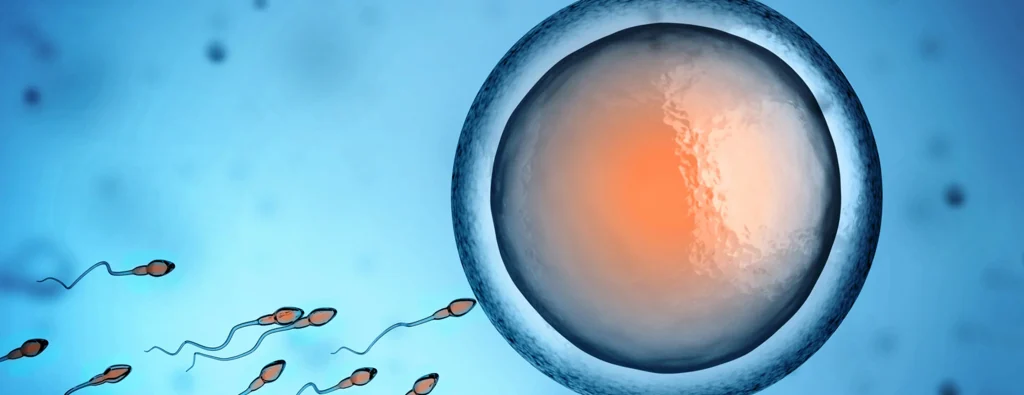
A Look into the Crystal Ball: Predictions for Artificial Insemination in 2025
With the advancements in technology and the availability of more accurate and efficient techniques, we can expect to see the development of personalized insemination plans for individuals and couples. Currently, artificial insemination is a one-size-fits-all approach, but in the future, we can expect to see tailored plans based on the individual’s specific needs and circumstances.
For example, individuals with fertility issues may require a different approach than those without, and same-sex couples may require a different type of donor sperm. With personalized insemination plans, individuals and couples can have a better chance of success and a more positive experience overall.
4. Increase in At-Home Insemination
Another prediction for artificial insemination in 2025 is the increase in at-home insemination kits. Currently, artificial insemination is primarily performed in a clinical setting by a medical professional. However, with advancements in technology, more people may have access to at-home insemination kits that are easy to use and cost-effective.
These kits may involve the use of devices such as ovulation trackers and sperm analyzers, allowing individuals and couples to track their fertility and perform insemination at home. This can be a game-changer for those who may not have easy access to fertility clinics or those who prefer to have more control over the process.
5. Greater Access to Donor Sperm
The availability of donor sperm has been a barrier for many individuals and couples seeking artificial insemination. However, in 2025, we can expect to see greater access to donor sperm, thanks to advancements in cryopreservation techniques. Cryopreservation involves freezing and storing sperm for future use, and with improved methods, donor sperm can be stored for longer periods without losing its viability.
This can also open up options for individuals and couples to choose from a wider range of donors, including those from different ethnicities and with specific characteristics. With greater access to donor sperm, more people can have the opportunity to start a family through artificial insemination.
Summary:
Artificial insemination has come a long way since its inception, and with advancements in technology, we can expect to see even more progress in the next five years. Predictions for artificial insemination in 2025 include more accurate and efficient techniques, advances in sperm selection and personalized insemination plans, an increase in at-home insemination, and greater access to donor sperm. These advancements have the potential to make artificial insemination more successful, accessible, and personalized for individuals and couples, making their dreams of starting a family a reality.