Blog Post:
In recent years, the traditional definition of parenthood has undergone significant changes due to advancements in technology and changes in societal norms. One of the most notable changes in the definition of parenthood is the use of artificial insemination, also known as assisted reproductive technology (ART). In this blog post, we will explore how artificial insemination is changing the definition of parenthood in 2025 and its impact on individuals and society as a whole.
What is Artificial Insemination?
Artificial insemination is a method of conception that involves the introduction of sperm into a woman’s reproductive system through artificial means. This can either be done by a medical professional or at home using a sperm donor kit. The goal of artificial insemination is to facilitate pregnancy in individuals or couples who are struggling with fertility issues or are unable to conceive through natural means.
Changing Laws and Regulations
In the past, laws and regulations around artificial insemination were restrictive and limited its use to heterosexual couples. However, with changing societal attitudes towards same-sex relationships and the increasing demand for alternative methods of conception, these laws and regulations have evolved. In 2025, it is expected that the use of artificial insemination will be more widely accepted and accessible to all individuals and couples, regardless of sexual orientation or marital status.
The Rise of Single Parenthood
One of the most significant impacts of artificial insemination on the definition of parenthood is the rise of single parenthood. With the availability of donor sperm and the increasing acceptance of single parenthood, more and more individuals are choosing to become parents on their own. This trend is expected to continue in 2025, with the number of single parents using artificial insemination to start a family expected to rise.
The Role of Technology
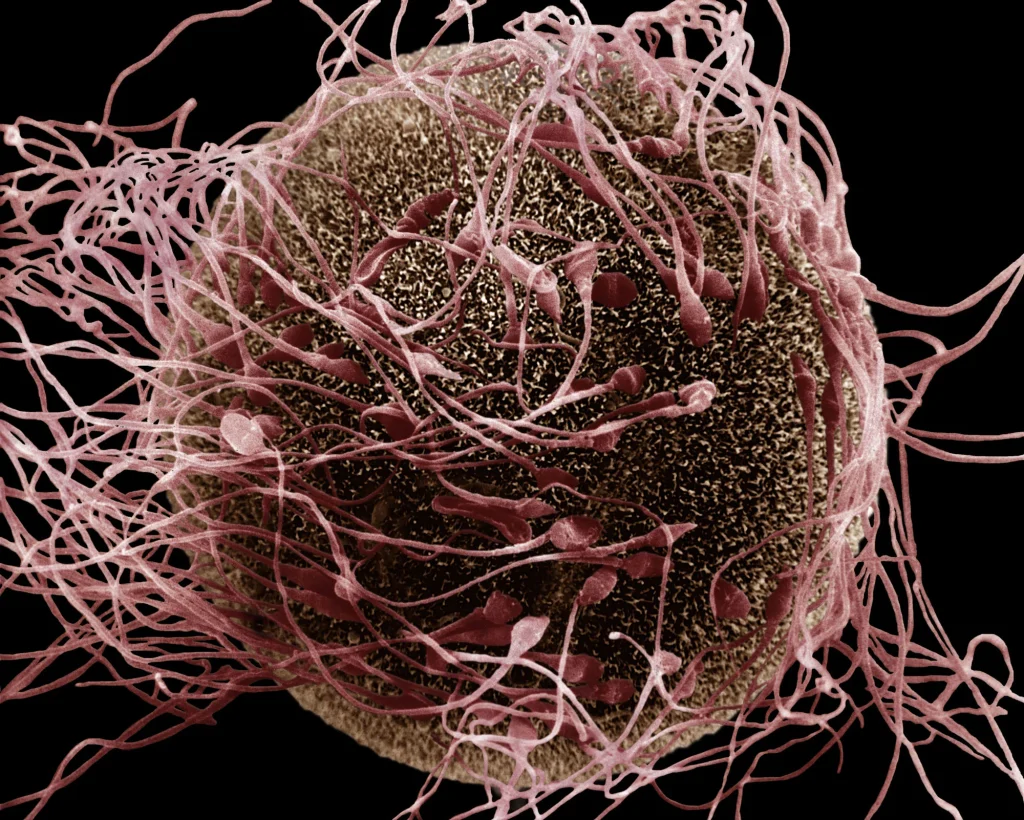
The Changing Definition of Parenthood: Artificial Insemination in 2025
Technology plays a crucial role in changing the definition of parenthood through artificial insemination. With advancements in reproductive technology, individuals and couples now have access to a range of options to help them conceive. These include sperm donors, egg donors, and gestational carriers. In 2025, it is expected that technology will continue to play a significant role in making artificial insemination more accessible and efficient.
The Impact on Traditional Family Structures
As artificial insemination becomes more widely accepted, it is also challenging the traditional family structure. In the past, the concept of a family was limited to a married couple and their biological children. However, with the rise of single parenthood, same-sex couples, and non-traditional methods of conception, the definition of a family is evolving. In 2025, it is expected that the concept of a family will be more inclusive and diverse, with individuals and couples choosing to create their own unique family structures.
The Emotional Impact
While artificial insemination offers hope and opportunities for individuals and couples struggling with fertility issues, it also comes with its own set of emotional challenges. For many, the process of artificial insemination can be emotionally draining, and the uncertainty of its success can cause significant stress and anxiety. This emotional impact is expected to continue in 2025, with individuals and couples seeking support and resources to help them navigate the process.
The Role of Ethics
Along with the legal and emotional implications, the use of artificial insemination also raises ethical questions. These include concerns about the rights and responsibilities of donors, the potential risks and side effects of the procedure, and the impact on the child’s identity and sense of self. As the use of artificial insemination becomes more widespread in 2025, it is essential to address these ethical concerns and ensure that the rights and well-being of all parties involved are protected.
Summary:
In conclusion, the definition of parenthood is continuously evolving, and artificial insemination is playing a significant role in this change. With advancements in technology, changing laws and regulations, and a more inclusive and diverse society, the use of artificial insemination is expected to become more widespread in 2025. This will have a significant impact on traditional family structures, the emotional well-being of individuals and couples, and raise important ethical questions. However, with proper regulations and support, artificial insemination has the potential to provide hope and opportunities for individuals and couples to start a family and redefine the meaning of parenthood.