Summary:
As technology continues to advance, the field of fertility and artificial insemination is also evolving. In 2025, we can expect to see significant changes and improvements in the process of artificial insemination, making it more accessible and effective for those seeking to start a family. This guide will provide insights and information on the future of artificial insemination, including advancements in technology, changes in regulations, and the impact on society.
Introduction:
For many couples and individuals, starting a family is a dream that they hope to fulfill in the near future. However, for some, natural conception may not be possible due to various reasons such as fertility issues or same-sex relationships. This is where artificial insemination comes in – a process of inserting sperm into a woman’s reproductive system to achieve pregnancy. While this method has been around for decades, it is constantly evolving, and in 2025, we can expect to see significant changes that will make it a more accessible and effective option for those looking to conceive.
Advancements in Technology:
One of the most significant changes we can expect to see in artificial insemination by 2025 is the advancements in technology. Currently, the most common method of artificial insemination is intrauterine insemination (IUI), where the sperm is placed directly into the uterus using a catheter. However, with the rise of technology, we can expect to see the development of new techniques that will make the process more precise and efficient.
One such advancement is the use of sperm sorting technology, which allows for the selection and separation of sperm based on their DNA. This technology can help increase the chances of pregnancy by ensuring that only the healthiest and most viable sperm are used for insemination. Additionally, we can also expect to see the use of artificial intelligence in sperm selection, further optimizing the process and increasing success rates.
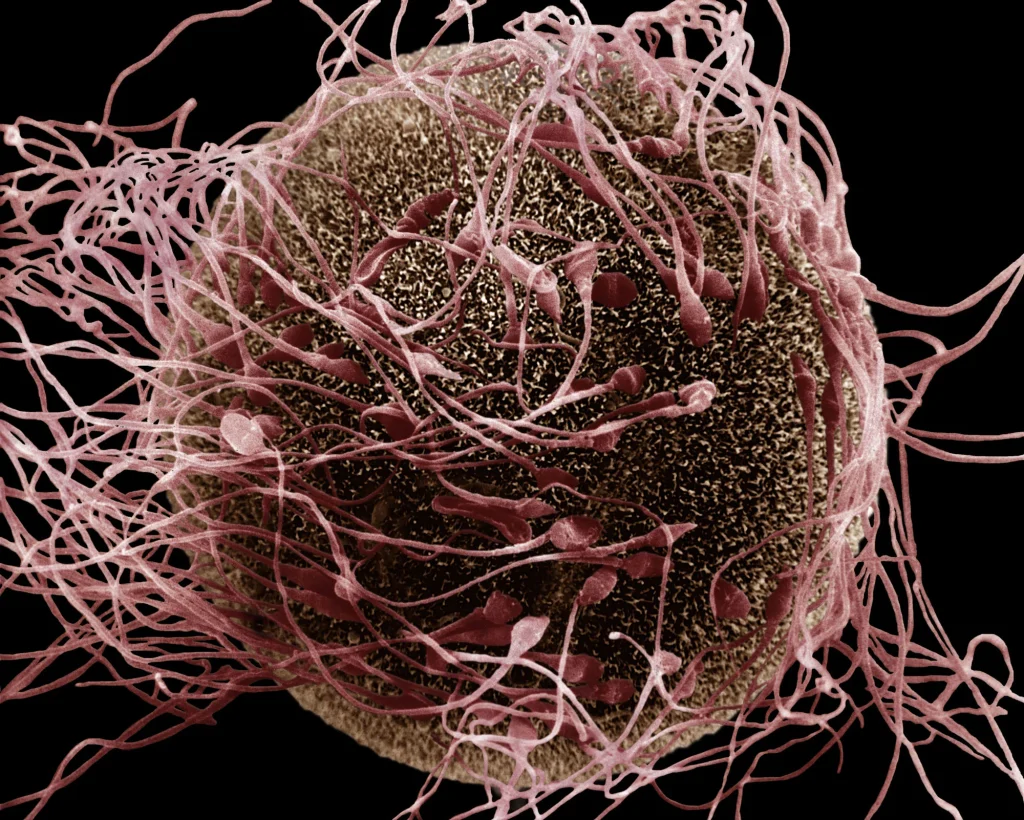
Navigating the Future of Fertility: A Guide to Artificial Insemination in 2025
Changes in Regulations:
Another significant change we can expect to see in the future of artificial insemination is the evolution of regulations surrounding the process. Currently, the use of donor sperm is regulated by various laws and guidelines, including the requirement for donors to undergo extensive medical and genetic testing. However, with the advancement of technology, we can expect to see a more streamlined and efficient process for donor sperm selection, making it easier for individuals and couples to access this option.
Moreover, with the increasing acceptance of same-sex relationships and single parenting, we can also expect to see a shift in regulations to make artificial insemination more accessible for these groups. This can include changes in laws regarding the use of donor sperm for same-sex couples or the option for individuals to freeze their eggs for future use.
Impact on Society:
The changes in technology and regulations surrounding artificial insemination will also have a significant impact on society as a whole. With advancements in technology, we can expect to see a decrease in the stigma surrounding infertility and artificial insemination. This can lead to more open discussions and acceptance of alternative ways of starting a family.
Moreover, the accessibility and effectiveness of artificial insemination can also lead to a decrease in the number of couples and individuals seeking costly and invasive fertility treatments. This can have a positive impact on mental health and finances, allowing more people to fulfill their dream of becoming parents.
Conclusion:
In conclusion, the future of artificial insemination is one that is filled with promise and hope. With advancements in technology and changes in regulations, we can expect to see a more efficient and accessible process for those seeking to start a family. This will not only have a positive impact on individuals and couples but also on society as a whole. As we navigate the future of fertility, one thing is certain – artificial insemination will continue to play a crucial role in helping people achieve their dreams of parenthood.