Blog Post Title: Transforming Reproduction: A Glimpse into Alternative Artificial Insemination in 2025
In recent years, advancements in technology and science have opened up new possibilities for reproduction. As we look towards the future, it is clear that the traditional methods of reproduction may no longer be the only option. Alternative methods such as artificial insemination have already gained popularity and are set to transform the way we think about reproduction. In this blog post, we will take a glimpse into the world of alternative artificial insemination and explore how it may shape the future of reproduction in 2025.
What is Artificial Insemination?
Artificial insemination (AI) is a process of fertilization where sperm is introduced into the reproductive tract of a female, without sexual intercourse. This technique has been used in animal breeding for decades and is now gaining popularity in human reproduction. AI can be done using fresh, frozen, or donor sperm and can be carried out at home or in a medical setting.
Current State of Artificial Insemination
The current state of AI is limited to very specific circumstances, such as male infertility, same-sex female couples, or single women. This is due to the fact that AI is a relatively new technique and is not yet widely accepted or practiced. In addition, the success rates of AI are still relatively low compared to natural conception, making it a less desirable option for many couples.
However, as technology and science continue to progress, the limitations of AI are slowly being overcome. This has led to the development of alternative methods of artificial insemination that may revolutionize the way we think about reproduction.
Alternative Methods of Artificial Insemination
1. In Vitro Fertilization (IVF)
In vitro fertilization (IVF) is a technique that involves fertilizing an egg with sperm in a laboratory setting and then transferring the resulting embryo into the uterus. This method has been around for quite some time and is widely used in cases of infertility. However, with advancements in technology, IVF is set to become a more accessible and affordable option for couples looking to conceive.
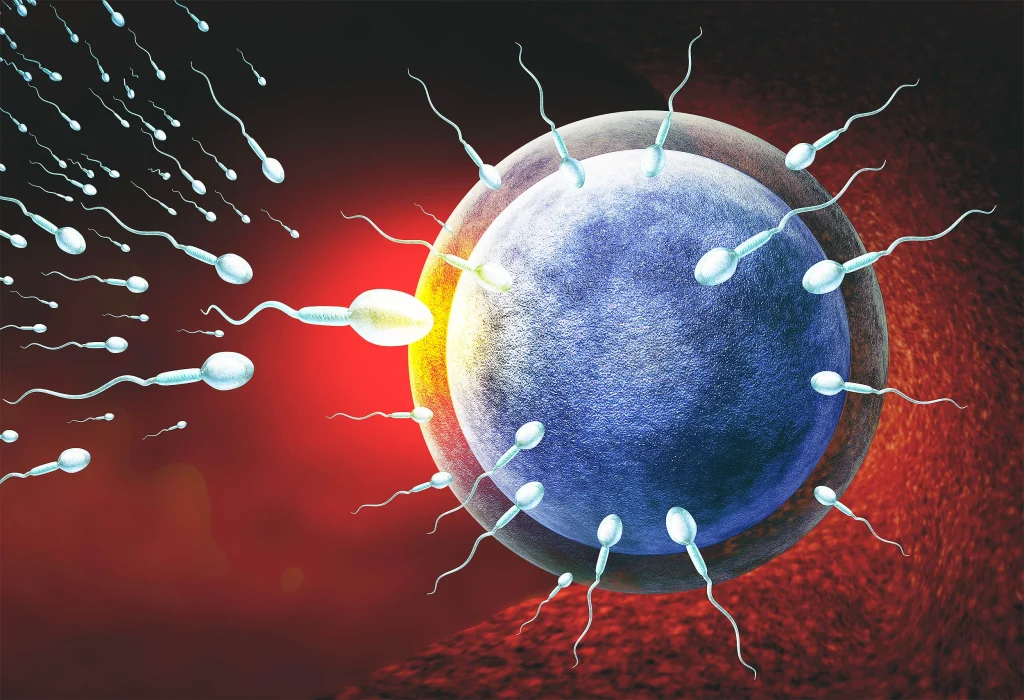
Transforming Reproduction: A Glimpse into Alternative Artificial Insemination in 2025
In the future, IVF may become the go-to method of artificial insemination, as it allows for genetic screening of embryos, increasing the chances of a successful pregnancy. It also opens up the possibility for same-sex male couples to have a biological child using a surrogate mother.
2. Intrauterine Insemination (IUI)
Intrauterine insemination (IUI) is a technique where sperm is placed directly into the uterus, bypassing the cervix. This method has a higher success rate compared to traditional AI, as the sperm is placed closer to the egg, increasing the chances of fertilization.
With advancements in technology, IUI may become more accessible and affordable, making it a popular choice for couples looking to conceive. In addition, the use of frozen sperm and the ability to track ovulation through apps and devices may make IUI a convenient and effective method of artificial insemination.
3. Gamete Intrafallopian Transfer (GIFT)
Gamete intrafallopian transfer (GIFT) is a technique where the sperm and egg are placed into the fallopian tube, allowing for fertilization to occur naturally. This method is still in its early stages of development and is not widely used. However, with advancements in technology, GIFT may become a more viable option for couples looking to conceive.
The Future of Alternative Artificial Insemination
As we look towards the future, it is clear that alternative methods of artificial insemination will continue to evolve and transform the way we think about reproduction. With the help of technology and science, these methods may become more accessible, affordable, and successful, making them a popular choice for couples looking to start a family.
In addition, the use of genetic screening and tracking technologies may also lead to a decrease in genetic disorders and an increase in the overall health of future generations. This could have a significant impact on society and the way we view fertility and reproduction.
Summary:
Alternative artificial insemination techniques such as IVF, IUI, and GIFT are set to revolutionize the way we think about reproduction in 2025. With advancements in technology and science, these methods may become more accessible, affordable, and successful, making them a popular choice for couples looking to start a family. In addition, the use of genetic screening and tracking technologies may lead to a decrease in genetic disorders and an increase in the overall health of future generations.