Blog Post:
Sperm donation has been a controversial topic for many years, raising ethical and legal concerns. With the advancement of technology, specifically artificial intelligence (AI), the future of sperm donation is rapidly changing. As we approach the year 2025, it is important to consider the potential legal implications of these advancements. In this blog post, we will explore the future of sperm donation and AI from a legal perspective.
The Current State of Sperm Donation:
Sperm donation is a process in which a man donates his sperm to be used for reproductive purposes by a woman or a couple. This has been a common method for couples struggling with infertility or same-sex couples to conceive a child. Currently, sperm donation is regulated by laws and guidelines, but there are still many gray areas and loopholes that can be exploited.
One of the main concerns with sperm donation is the anonymity of donors. In most cases, donors are anonymous, which means that the child conceived through sperm donation will not have access to their biological father’s identity. This raises questions about the child’s right to know their genetic history and potential health risks. In some countries, such as the UK, donors are required to provide identifying information, but this is not the case globally.
Another concern is the lack of regulation for private sperm donation. Private sperm donation involves a direct arrangement between the donor and the recipient, without the involvement of a licensed sperm bank. This can lead to potential legal issues, such as custody battles or child support disputes, as there is no legal agreement in place.
The Role of AI in Sperm Donation:
With the development of AI, there is a growing interest in using AI to improve the success rate of sperm donation. One area where AI can be beneficial is in the selection of sperm donors. AI algorithms can analyze a donor’s physical and genetic characteristics and match them with the recipient’s desired traits. This can potentially improve the success rate of conception and reduce the risk of inherited diseases.
Another possibility is the use of AI in screening donated sperm for genetic abnormalities. Currently, sperm donors are required to undergo medical and genetic testing, but this can still leave room for errors. AI technology can provide a more accurate and efficient screening process, ensuring the health of future offspring.
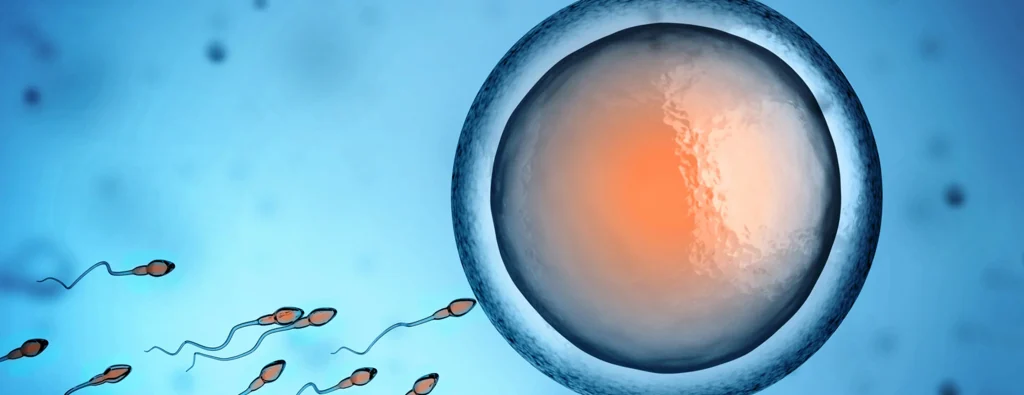
The Future of Sperm Donation and AI: A Legal Perspective for 2025
Legal Implications:
As with any new technology, the use of AI in sperm donation raises legal concerns. One of the main issues is the potential for discrimination. With AI algorithms selecting donors based on specific traits, there is a risk of perpetuating societal biases and discrimination. For example, if a recipient desires a donor with a certain ethnicity, this can lead to a lack of diversity in the donor pool.
Another concern is the ownership of donated sperm. With the involvement of AI, there is a question of who owns the data and technology used to select and screen donors. This could potentially lead to legal battles between sperm banks and AI companies.
Moreover, the use of AI in sperm donation may also affect the legal rights of donors and recipients. As AI technology is still relatively new, there are no established laws or regulations specifically addressing its use in sperm donation. This can leave donors and recipients vulnerable and without legal protection.
The Future of Sperm Donation and AI:
While there are potential legal concerns, the use of AI in sperm donation also presents many opportunities. With advancements in technology, we can expect to see more accurate and efficient methods of sperm selection and screening. This can ultimately lead to a higher success rate and healthier offspring.
To address the legal implications, it is crucial for governments and regulatory bodies to update laws and guidelines to encompass the use of AI in sperm donation. This includes protecting the rights of donors and recipients, ensuring fair and non-discriminatory practices, and establishing ownership and liability in the use of AI technology.
Summary:
In conclusion, the future of sperm donation and AI is promising but also raises important legal concerns. Regulations and laws need to be updated to address the use of AI in sperm donation, including protecting the rights of donors and recipients and preventing discrimination. As we approach 2025, it is crucial to consider the legal implications to ensure the ethical and responsible use of AI in sperm donation.