[Summarize the blog post]
Sperm donation for AI (Artificial Insemination) has become increasingly popular in recent years, with more and more families turning to this method to conceive. However, as this technology continues to evolve, it raises a number of legal considerations for future families. In this blog post, we will explore the various legal aspects that need to be taken into account when using a sperm donor for AI.
First and foremost, the most important legal consideration is the agreement between the intended parents and the sperm donor. This agreement should outline the rights and responsibilities of all parties involved, including the intended parents, the sperm donor, and any resulting children. This agreement should be legally binding and cover issues such as confidentiality, parental rights, and financial arrangements.
Another crucial aspect to consider is the legal status of the sperm donor. In most cases, sperm donors are considered anonymous, and their identity is kept confidential. This is to protect the donor’s privacy and prevent any legal obligations or responsibilities towards the resulting children. However, in some cases, the donor may be known to the intended parents, or they may choose to have a known donor. In such cases, it is essential to have a legal agreement in place to clarify the rights and responsibilities of all parties involved.
One of the most significant legal considerations for future families is the parental rights of the intended parents. In traditional methods of conception, the woman who gives birth is automatically considered the legal mother. However, with sperm donation for AI, the intended mother may not be the one carrying the child, which can complicate matters legally. It is vital to establish legal parentage before the child is born to avoid any legal disputes in the future.
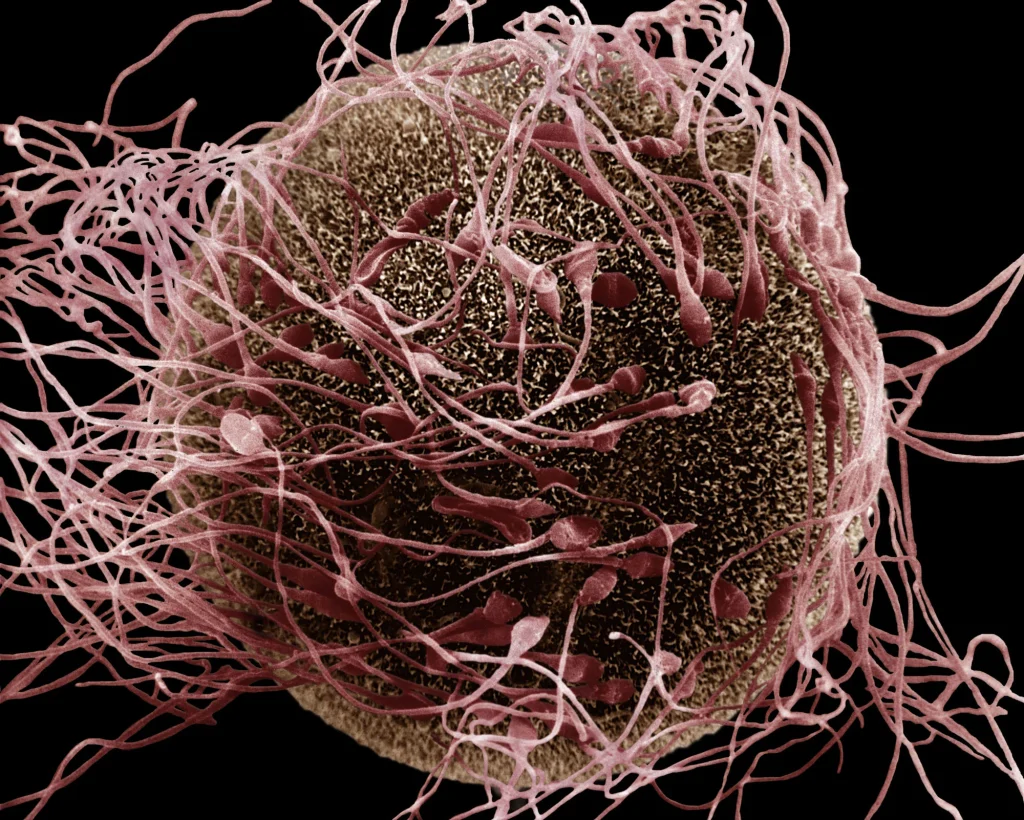
Sperm Donor for AI: Legal Considerations for Future Families
Furthermore, the legal rights of the resulting child must also be taken into account. In most cases, the child born through sperm donation for AI will have the same legal rights as any other child, including the right to financial support from both parents. However, there may be variations in laws and regulations depending on the country or state, so it is crucial to research and understand the legal implications thoroughly.
In some cases, sperm donation for AI may involve the use of a sperm bank. In such cases, it is essential to understand the legal implications of using a third-party donor. The sperm bank will have its own set of policies and procedures, and it is crucial to understand them before proceeding with the donation process. This includes understanding the legal rights and responsibilities of the sperm bank, as well as the intended parents and the donor.
Moreover, it is essential to consider the impact of sperm donation for AI on the family structure. The resulting child may have a biological connection to a person who is not their legal parent, which can raise complex legal and emotional issues. This can also impact the child’s relationships with their siblings and extended family members. It is crucial to have open and honest communication with all parties involved to ensure a healthy and supportive family dynamic.
In addition to these legal considerations, it is also essential to be aware of any potential legal risks associated with sperm donation for AI. This includes the risk of future legal disputes between the intended parents and the donor, as well as any potential lawsuits from the resulting child. It is crucial to have a comprehensive legal agreement in place to mitigate these risks and protect all parties involved.
In conclusion, sperm donation for AI offers a promising solution for couples and individuals looking to start a family. However, it is essential to understand and address the various legal considerations to ensure a smooth and successful process. By having a clear legal agreement in place and understanding the rights and responsibilities of all parties involved, future families can embrace this technology with confidence and peace of mind.