Understanding the Role of the Law in Sperm Donation and AI
Sperm donation and artificial insemination (AI) have become increasingly common methods for individuals and couples to start or expand their families. However, with these advancements in reproductive technology come complex legal considerations. The law plays a crucial role in regulating the use of sperm donation and AI to protect the rights of all parties involved. In this blog post, we will dive into the legal aspects of sperm donation and AI, including the rights and responsibilities of donors, recipients, and children born through these methods.
The Legal Definition of Sperm Donation and AI
Before delving into the legal implications, it is essential to understand the legal definition of sperm donation and AI. Sperm donation is the process of obtaining semen from a man and using it to fertilize a woman’s egg, either through sexual intercourse or AI. On the other hand, AI is the process of injecting semen into a woman’s reproductive tract to achieve pregnancy without sexual intercourse. These methods are often used by individuals or couples who cannot conceive naturally, such as same-sex couples, single individuals, or couples facing infertility issues.
Legal Rights and Responsibilities of Donors
Donating sperm is a selfless act that allows individuals or couples to fulfill their dream of having a child. However, it comes with legal implications that donors must be aware of before making this decision. In the eyes of the law, sperm donors are not considered the legal fathers of any resulting children. This means that they do not have any parental rights or responsibilities towards the child, including financial support or custody.
However, this does not mean that sperm donors can completely wash their hands of any involvement in the child’s life. In some cases, donors may be held responsible for child support if the recipient can prove that the donation was not entirely altruistic. For example, if the donor and recipient have a pre-existing relationship or the donor has expressed an interest in co-parenting, they may be held accountable for child support.
Legal Rights and Responsibilities of Recipients
The legal rights and responsibilities of recipients of donated sperm vary depending on the method used. In cases of sexual intercourse, the sperm donor may be considered the legal father of the child, and the recipient may have to go through a legal process to establish parental rights. However, in cases of AI, the recipient is considered the legal mother of the child, regardless of the donor’s involvement.
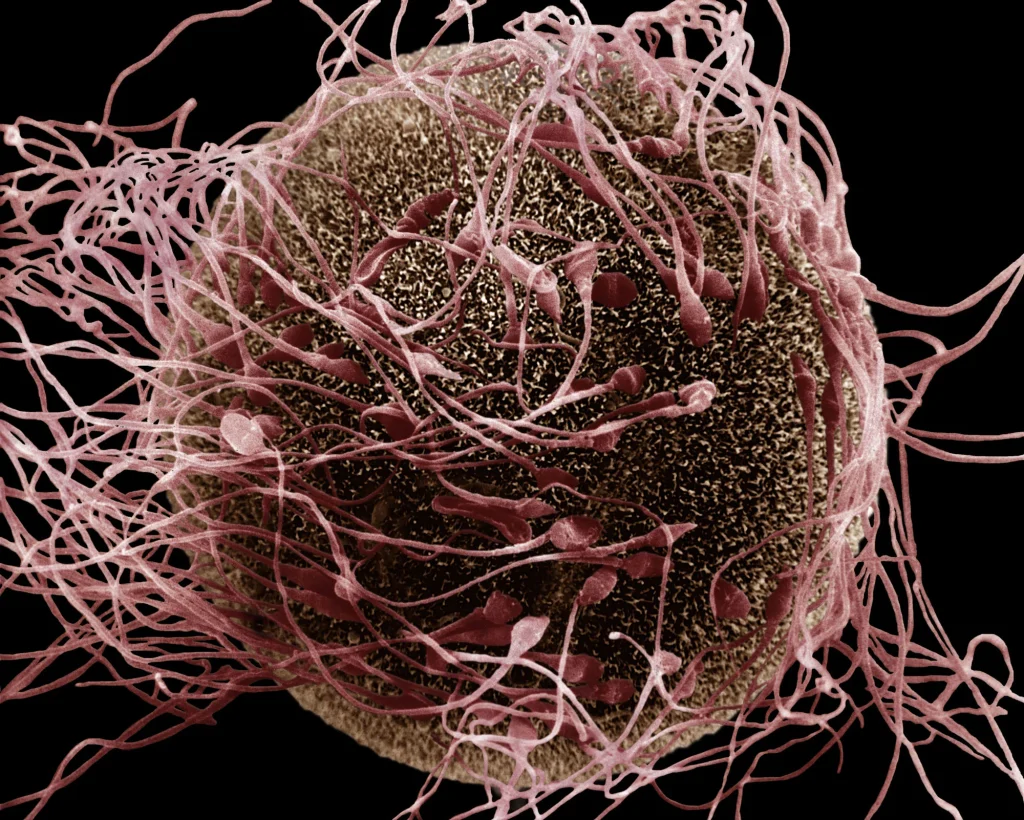
Understanding the Role of the Law in Sperm Donation and AI
Recipients of donated sperm also have the responsibility to ensure that the donor has gone through the necessary medical and legal screening processes. This is to protect both the donor and the recipient from any potential health or legal issues that may arise in the future.
Legal Rights and Responsibilities of Children Born Through Sperm Donation and AI
Children born through sperm donation and AI have the right to know their genetic origins, including the identity of their sperm donor. In many countries, children have the legal right to access information about their donor when they reach a certain age, usually 18. This is to allow children to understand their medical history and genetic background fully.
However, the legal rights of children born through sperm donation and AI may vary depending on the country or state’s laws. In some cases, the donor may have the right to remain anonymous, while in others, children may have the right to seek out their donor for personal reasons.
Legal Considerations for Same-Sex Couples and Single Parents
Sperm donation and AI have become increasingly popular methods for same-sex couples and single parents to start a family. However, the legal landscape for these families can be complex and varies depending on the country or state’s laws. In some places, same-sex couples or single parents may face legal challenges in establishing parental rights, especially if the donor was anonymous.
To avoid any legal complications, it is essential for same-sex couples and single parents to consult with a lawyer before proceeding with sperm donation or AI. This will ensure that all legal considerations are taken into account and that the process is carried out ethically and within the bounds of the law.
In conclusion, the law plays a vital role in regulating sperm donation and AI to protect the rights of all parties involved. Donors, recipients, and children born through these methods must understand their legal rights and responsibilities to avoid any potential legal complications in the future. It is crucial to seek legal advice before embarking on the journey of sperm donation or AI to ensure that all legal considerations are taken into account.
Summary:
Sperm donation and artificial insemination (AI) are common methods for individuals and couples to start or expand their families, but they come with complex legal considerations. The law plays a crucial role in regulating these methods to protect the rights of donors, recipients, and children born through these methods. Donors are not considered legal fathers, but they may be held responsible for child support if the donation was not altruistic. Recipients must ensure that the donor has gone through proper screening processes, and children have the right to know their genetic origins. Same-sex couples and single parents may face legal challenges in establishing parental rights. Seeking legal advice is crucial for all parties involved in sperm donation and AI to ensure the process is carried out ethically and within the bounds of the law.