The Future of Fertility: Debunking Common Misconceptions About Artificial Insemination in 2025
In today’s world, there are many misconceptions surrounding artificial insemination and its role in fertility treatments. However, with advancements in technology and medical science, the landscape of fertility treatments is constantly evolving. In this blog post, we will explore the future of fertility and debunk some of the common misconceptions surrounding artificial insemination in 2025.
Misconception #1: Artificial Insemination is Only for Couples with Fertility Issues
One of the biggest misconceptions about artificial insemination is that it is only for couples struggling with fertility issues. While it is true that artificial insemination is a popular option for couples facing fertility problems, it is not limited to them. In fact, single individuals, same-sex couples, and even couples who do not have any fertility issues can opt for artificial insemination to conceive a child.
In 2025, we can expect to see a rise in the number of individuals and couples choosing artificial insemination as a means of starting a family. This is due to the increasing acceptance and availability of this fertility treatment option in the future.
Misconception #2: Artificial Insemination is Only for Women
Another common misconception about artificial insemination is that it is only for women. This is not true as artificial insemination can also be used to help men with fertility issues. In cases where a man has a low sperm count or poor sperm quality, artificial insemination can be used to increase the chances of conception.
In the future, we can expect to see a more equal distribution of artificial insemination between men and women. With advancements in technology, it is becoming easier and more accessible for men to undergo artificial insemination and take an active role in the conception process.
Misconception #3: Artificial Insemination is the Same as In Vitro Fertilization (IVF)
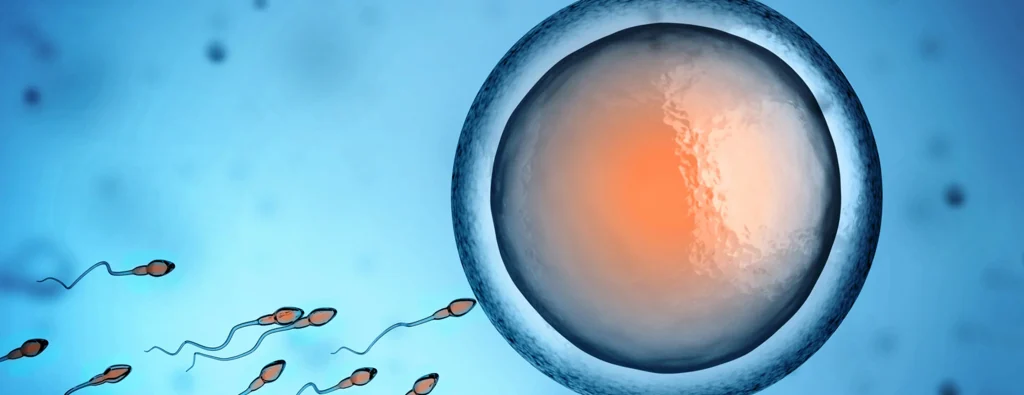
The Future of Fertility: Debunking Common Misconceptions About Artificial Insemination in 2025
Another misconception surrounding artificial insemination is that it is the same as in vitro fertilization (IVF). While both procedures are used to assist with conception, they have distinct differences. IVF involves the fertilization of an egg outside the body and the transfer of the embryo into the uterus. On the other hand, artificial insemination involves the direct insertion of sperm into the uterus, bypassing the need for the sperm to travel through the fallopian tubes.
In 2025, we can expect to see a further distinction between artificial insemination and IVF. With advancements in technology, the success rates of both procedures are expected to increase, making it easier for couples to choose the most suitable option for their specific fertility needs.
Misconception #4: Artificial Insemination is Not a Natural Way to Conceive
Some people may argue that artificial insemination is not a natural way to conceive and goes against the natural process of reproduction. However, artificial insemination mimics the natural process of sperm fertilizing an egg, just in a more controlled environment. Additionally, with the rise of sperm donors and the use of frozen sperm in artificial insemination, the genetic diversity of the offspring can be maintained.
In the future, we can expect to see a shift in the perception of artificial insemination as more people become aware of its benefits and success rates. It will become a more accepted and normalized method of conception, just like other fertility treatments.
Misconception #5: Artificial Insemination is Expensive and Inaccessible
Another common misconception about artificial insemination is that it is an expensive and inaccessible fertility treatment. While the cost of artificial insemination can vary depending on factors such as location and individual medical needs, it is becoming more affordable and accessible in 2025.
With advancements in technology, artificial insemination is becoming more streamlined and efficient, resulting in lower costs. Additionally, many insurance companies are now offering coverage for fertility treatments, including artificial insemination, making it more accessible to a wider range of individuals and couples.
The Future of Fertility: Summary
In conclusion, the future of fertility treatments, specifically artificial insemination, is constantly evolving and becoming more accessible and accepted. It is not limited to couples with fertility issues, and both men and women can benefit from this method of conception. With advancements in technology and increased awareness, we can expect to see a shift in the misconceptions surrounding artificial insemination in 2025.