Summary:
In 2025, the future of fertility is likely to see a significant increase in the use of artificial insemination as a method for conceiving a child. However, there are still many myths and misconceptions surrounding this procedure. In this blog post, we will debunk 11 of the most common myths about artificial insemination and provide accurate information about this important aspect of fertility.
Myth #1: Artificial insemination is only for infertile couples.
Fact: While artificial insemination is commonly used by couples struggling with fertility, it can also be used by same-sex couples or single individuals who want to start a family.
Myth #2: Artificial insemination is an easy and quick process.
Fact: While the actual insemination procedure is relatively quick, the entire process can take several months and involves multiple steps such as fertility testing, hormone treatments, and timing the insemination with ovulation.
Myth #3: The success rate of artificial insemination is low.
Fact: The success rate of artificial insemination varies depending on factors such as age, health, and the cause of infertility. However, with advancements in technology and techniques, the success rates have significantly increased in recent years.
Myth #4: Artificial insemination is expensive.
Fact: While fertility treatments can be costly, artificial insemination is generally more affordable compared to other options such as in vitro fertilization (IVF). Additionally, many insurance plans now cover some or all of the costs associated with artificial insemination.
Myth #5: Anyone can be a sperm donor.
Fact: Sperm donors go through a rigorous screening process, including medical and genetic testing, to ensure the safety and quality of the sperm. Not everyone can qualify to be a sperm donor.
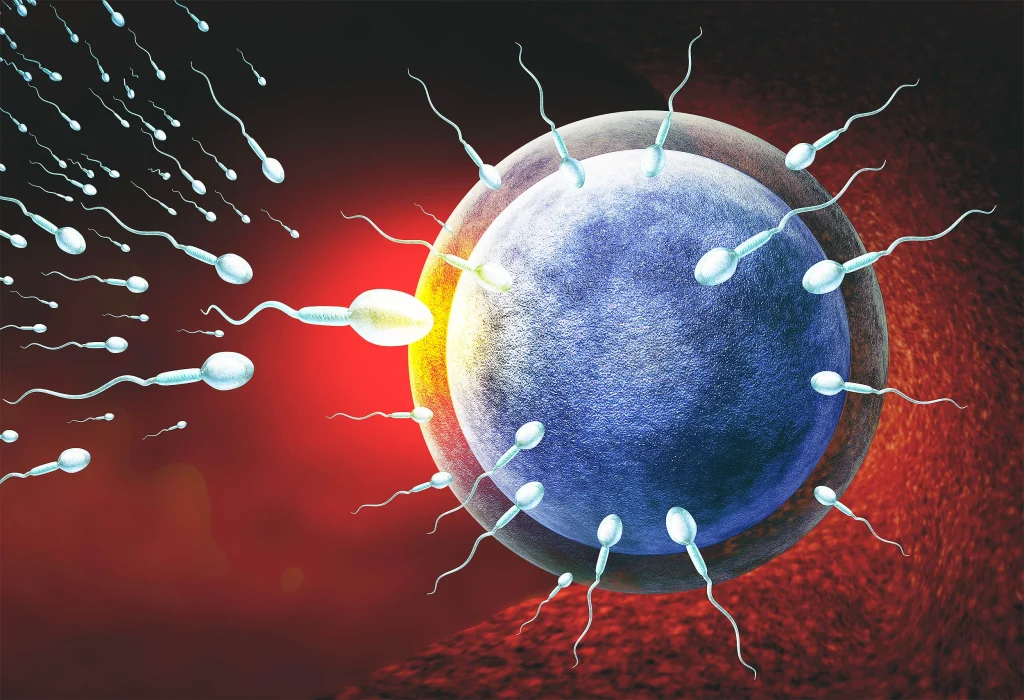
The Future of Fertility: Debunking 11 Myths About Artificial Insemination in 2025
Myth #6: The child will not be biologically related to the non-birth parent.
Fact: In cases where the sperm donor is not a known individual, the non-birth parent may not be biologically related to the child. However, with advancements in genetics and reproductive technology, it is now possible for both parents to be biologically related to the child, even if one is not the birth parent.
Myth #7: Artificial insemination always results in multiple births.
Fact: While it is possible for multiple eggs to be fertilized during artificial insemination, this can be controlled by the number of sperm used during the procedure. With proper monitoring and management, the chances of multiple births can be minimized.
Myth #8: Artificial insemination is only for young women.
Fact: As women age, their fertility decreases, making it more challenging to conceive naturally. However, artificial insemination can be a viable option for women of all ages, even those who are approaching menopause.
Myth #9: Artificial insemination is only for women with regular menstrual cycles.
Fact: Women with irregular menstrual cycles can still undergo artificial insemination, but their hormonal levels will need to be closely monitored and controlled to ensure successful ovulation and insemination.
Myth #10: Artificial insemination is not a natural way of conceiving.
Fact: While artificial insemination does involve medical intervention, it still allows for the natural process of fertilization to occur. Sperm is simply placed directly into the uterus, mimicking the natural path it would take during intercourse.
Myth #11: Artificial insemination is the only option for couples struggling with infertility.
Fact: While artificial insemination can be a successful method for conceiving, it is not the only option available. Depending on the cause of infertility, other options such as IVF, surrogacy, or adoption may be more suitable.
In conclusion, artificial insemination is a safe and effective method for conceiving a child, and the myths and misconceptions surrounding it should not discourage individuals or couples from considering it as a viable option for starting a family. With advancements in technology and increased accessibility, the future of fertility through artificial insemination is bright and promising.