Blog post:
Artificial insemination, also known as AI, is a reproductive technique that involves the introduction of sperm into the reproductive tract of a female animal without natural mating. This method has been used for centuries to improve the genetics and productivity of livestock, and has also been utilized in human reproduction. However, the practice of AI has evolved significantly over time, with advancements in technology and understanding of reproductive biology. In this blog post, we will take a journey through the past practices of AI, and explore the possibilities that lie ahead in the future, specifically in the year 2025.
Past practices of AI:
The earliest known use of AI can be traced back to ancient civilizations such as Egypt, Greece, and China. These civilizations used various techniques, such as the insertion of semen into the vagina using a hollow reed, to artificially inseminate female animals. However, these methods were crude and often resulted in low success rates.
In the 18th and 19th century, scientists began to understand the concept of fertilization and the role of sperm in reproduction. This led to the development of more sophisticated AI techniques, such as the use of a syringe to directly inject semen into the cervix or uterus of a female animal. This method, known as cervical or intrauterine insemination, became the standard practice of AI for many years.
In the 20th century, advancements in technology led to the development of new AI techniques, such as laparoscopic insemination, which involves the direct injection of semen into the fallopian tubes. This method was found to have higher success rates and allowed for the use of frozen semen, making AI more accessible and cost-effective for breeders and farmers.
Future possibilities in 2025:
As we look towards the future, the possibilities for AI are endless. With the rapid development of technology and our understanding of reproductive biology, AI is set to undergo a major evolution in the year 2025. There are several advancements and possibilities that we can expect to see in AI in the coming years.
1. Precision and accuracy:
One of the most significant advancements in AI is the use of precision and accuracy in the process. With the use of advanced imaging techniques, such as ultrasound and MRI, it is now possible to identify the optimal time for insemination and accurately deposit the semen into the reproductive tract. This will greatly improve the success rates of AI and reduce the need for multiple insemination attempts.
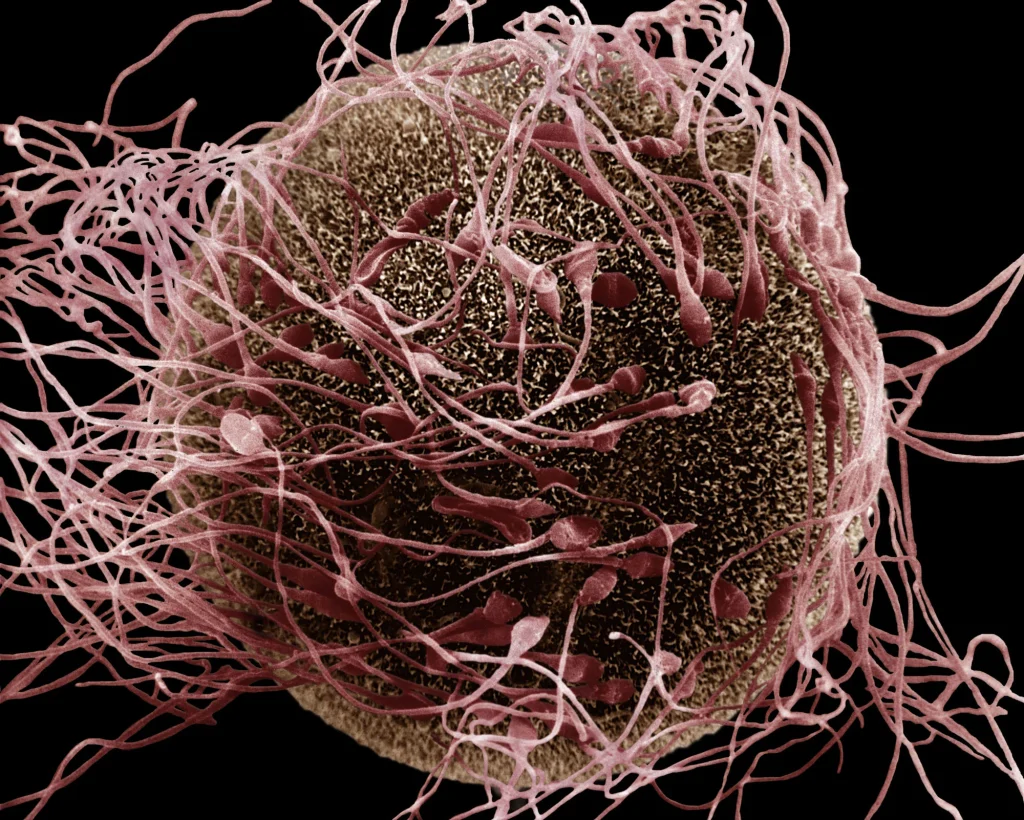
The Evolution of Artificial Insemination: From Past Practices to Future Possibilities in 2025
2. In vitro fertilization (IVF):
In vitro fertilization, or IVF, is a technique that involves the fertilization of an egg with sperm outside of the body. This method has been widely used in human fertility treatments, and its application in animal reproduction is gaining popularity. In the future, IVF could be used in combination with AI to produce offspring with desired traits or to overcome fertility issues in animals.
3. Genetic selection:
AI has long been used as a tool to improve the genetics of livestock. However, with advancements in genetic technology, AI could play an even more significant role in genetic selection in the future. By analyzing the genetic profile of an animal, AI could be used to selectively inseminate females with desired genetic traits, leading to a more efficient and effective breeding process.
4. Sex selection:
One of the most exciting possibilities for AI in the future is the ability to determine and select the sex of the offspring. This technique, known as sexed semen, is already being used in some species, but its application is limited. With advancements in AI, it is predicted that sex selection will become more accurate and widely available, allowing breeders and farmers to produce offspring of a desired sex.
5. Non-invasive techniques:
In the past, AI has required some level of invasion of the reproductive tract, whether it is through the vagina, cervix, or uterus. However, in the future, we can expect to see the development of non-invasive techniques for AI. This could include the use of nanoparticles to deliver sperm to the ovaries or the development of a device that could be worn by the female animal to release sperm at the optimal time for fertilization.
In conclusion, the evolution of AI has been remarkable, and the possibilities for its future are exciting. With advancements in technology and our understanding of reproductive biology, AI is set to become more accurate, efficient, and accessible. In the year 2025, we can expect to see a significant transformation in the way AI is practiced, leading to improved genetics, productivity, and sustainability in the agricultural industry.
Summary:
Artificial insemination, or AI, is a reproductive technique that has been used for centuries to improve the genetics and productivity of livestock. Over time, AI has evolved from crude methods to more sophisticated techniques, with advancements in technology and understanding of reproductive biology. In the year 2025, we can expect to see a major evolution in AI, with advancements such as precision and accuracy, in vitro fertilization, genetic selection, sex selection, and non-invasive techniques. These developments will lead to improved genetics, productivity, and sustainability in the agricultural industry.