In recent years, the field of fertility has undergone significant advancements, particularly in the area of artificial insemination. With the rise of technology and scientific research, we can expect even more progress in this field in the coming years. By 2025, we will see a new era of fertility, with artificial insemination becoming more accessible, efficient, and customizable. In this blog post, we will explore the potential changes and developments in artificial insemination that we can expect in the year 2025.
The first and most significant change we can expect in 2025 is the increased accessibility of artificial insemination. Currently, artificial insemination is a costly and time-consuming process that is not accessible to everyone. However, with the advancements in technology, we can expect the procedure to become more affordable and widely available. This will open doors for many couples and individuals who have been struggling with fertility issues but were unable to undergo artificial insemination due to financial constraints.
Moreover, the procedure itself is expected to become more efficient and less invasive. Currently, the success rate of artificial insemination is around 10-20%, which means multiple cycles are often needed to achieve pregnancy. However, with the integration of new technology and techniques, this success rate is expected to increase significantly. One such advancement is the use of artificial intelligence (AI) in sperm selection. AI can analyze and select the best quality sperm, which can improve the chances of a successful pregnancy.
In addition to increased accessibility and efficiency, we can also expect artificial insemination to become more customizable. In the past, the process was limited to heterosexual couples, but with the progression of society, we can expect the procedure to become more inclusive. Same-sex couples and single individuals will have the option to use donor sperm or eggs to conceive through artificial insemination. This will give them the opportunity to start a family and fulfill their dreams of parenthood.
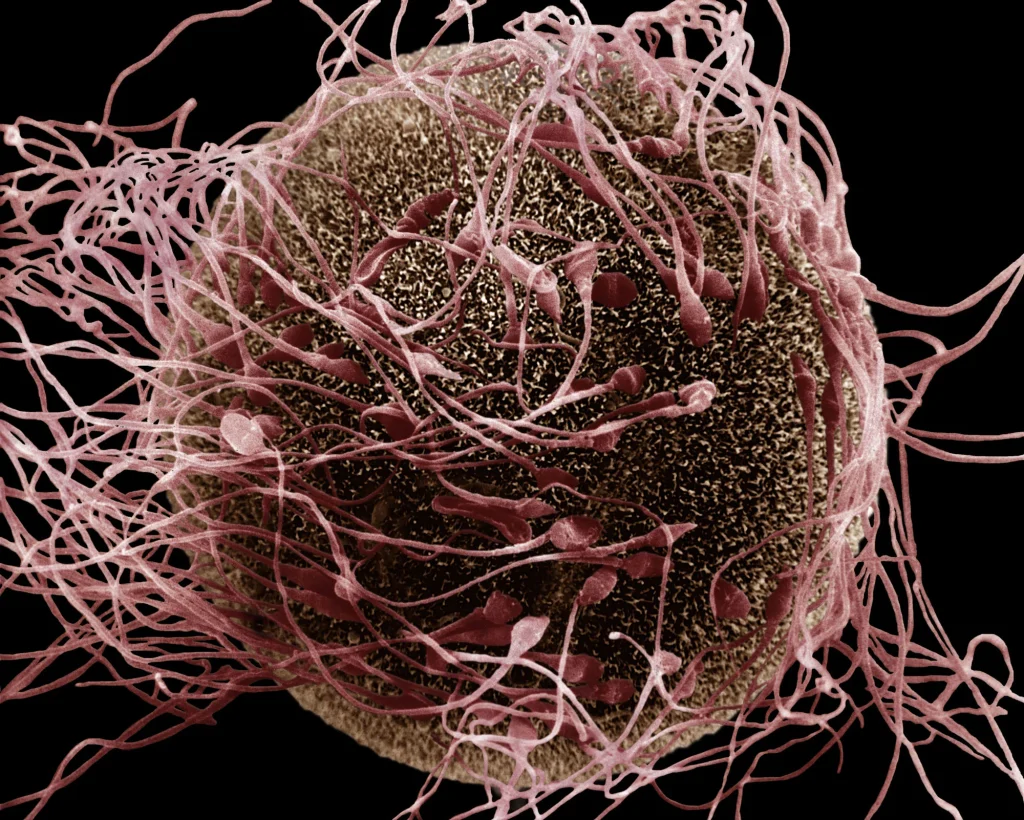
A New Era of Fertility: What to Expect from Artificial Insemination in 2025
Another exciting development in the field of artificial insemination is the potential use of gene editing technology. While this is still a controversial topic, it has the potential to eliminate genetic diseases and disorders in embryos before implantation. This could prevent the passing on of hereditary conditions, such as cystic fibrosis or sickle cell anemia, to future generations. However, ethical and legal considerations must be carefully addressed before this technology can be implemented.
Furthermore, we can also expect advancements in the freezing and storage of sperm and eggs. Currently, there are limitations in the storage duration, and there is a risk of damage to the sperm or eggs during the freezing process. However, with the use of cryopreservation techniques, we can expect longer storage periods and better preservation of the reproductive cells. This can provide more time and flexibility for individuals or couples to decide when they want to start a family.
Apart from these changes and developments, we can also expect a shift in societal attitudes towards artificial insemination. With more people opting for this procedure and the media portraying it in a positive light, the stigma surrounding fertility treatments will likely decrease. This will not only provide emotional support to individuals and couples undergoing the procedure but also encourage more people to seek help for their fertility struggles.
In conclusion, the field of artificial insemination is expected to undergo significant changes and advancements in the coming years. By 2025, we can expect the procedure to become more accessible, efficient, and customizable, with the potential use of AI, gene editing, and cryopreservation technologies. These developments will not only benefit couples and individuals struggling with fertility issues but also pave the way for a more inclusive and accepting society.
In summary, by 2025, we can expect artificial insemination to become more accessible, efficient, and customizable with advancements in technology such as the use of AI for sperm selection, gene editing, and cryopreservation techniques. This will not only increase the success rate of the procedure but also make it more inclusive for same-sex couples and single individuals. Additionally, societal attitudes towards artificial insemination are expected to shift, reducing the stigma surrounding fertility treatments.