Blog Post:
With the rapid advancement of technology, the idea of artificial insemination (AI) has become a reality in recent years. This revolutionary method of conception has provided hope for many couples struggling with fertility issues, single individuals, and same-sex couples. However, as with any scientific breakthrough, there are still areas for improvement and refinement. One of the key components of AI is the selection of the sperm donor, and in 2025, genetics will play a crucial role in ensuring the perfect match for AI.
The process of selecting a sperm donor has always been a complex and challenging one. In the past, donors were chosen based on physical characteristics such as height, weight, and eye color. However, with the advancements in genetics, the emphasis has shifted towards selecting donors based on their genetic makeup. This is where the idea of the perfect match for AI comes into play.
The first step in finding the perfect sperm donor for AI is to understand the concept of genetic compatibility. This refers to the likelihood of a successful pregnancy and the health of the future child based on the compatibility of the donor’s genes with the recipient’s genes. In traditional methods of conception, this compatibility is left to chance. However, with AI, the selection process can be more precise and deliberate.
Genetic testing has become more accessible and affordable in recent years, and this has opened up new possibilities for AI. By analyzing the genetic makeup of both the recipient and the donor, it is possible to determine the compatibility of their genes and increase the chances of a successful pregnancy. This method also eliminates the risk of genetic disorders or diseases being passed on to the child.
In 2025, genetic testing will be an integral part of the process of selecting a sperm donor for AI. With the advancements in technology, the cost of genetic testing will continue to decrease, making it more accessible to a wider population. This will not only benefit couples and individuals seeking AI, but also the sperm banks and clinics that provide these services.
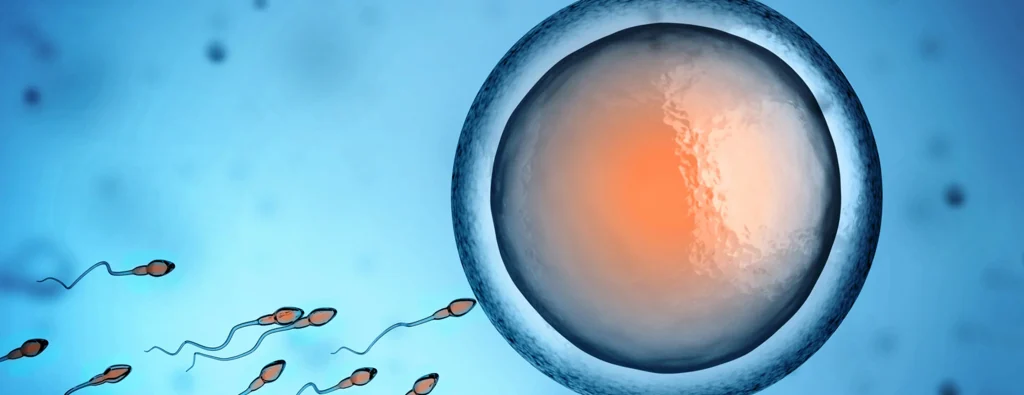
The Perfect Match: How Genetics Will Ensure the Ideal Sperm Donor for AI in 2025
Another factor to consider in the selection of the perfect sperm donor is the concept of genetic diversity. Research has shown that children born from diverse genetic backgrounds have a lower risk of developing hereditary diseases and disorders. In traditional methods of conception, the genetic diversity is limited to the genes of the two parents. However, with AI, the genetic diversity can be expanded by selecting donors from various ethnic backgrounds and regions.
AI also allows for the screening of specific genetic traits. For example, if a couple carries a gene for a hereditary disease, they can choose a donor who does not carry that gene, reducing the risk of their child inheriting the disease. This level of genetic screening and selection was not possible in the past, but with the advancements in technology, it will become a standard practice in the near future.
One of the most exciting developments in genetics and AI is the use of gene editing. This technology allows scientists to modify or remove specific genes from an individual’s DNA. In the context of AI, this could be used to eliminate any potential genetic disorders or diseases from the donor’s genetic makeup. This not only ensures the health of the future child but also eliminates the possibility of passing on these disorders to future generations.
However, gene editing is a controversial topic and raises ethical concerns. The use of this technology for AI raises questions about the potential consequences and implications of manipulating human genetics. As with any scientific breakthrough, there must be careful consideration and regulation to ensure that it is used for the betterment of society.
In addition to genetics, the use of artificial intelligence (AI) will also play a significant role in finding the perfect match for AI. Through AI, the vast amount of genetic data can be analyzed and matched to find the most compatible donor for a specific recipient. This process will not only be more efficient but also eliminate any potential biases or errors in the selection process.
In conclusion, the perfect match for AI in 2025 will be determined by genetics and the advancements in technology. The use of genetic testing, diversity, and gene editing will ensure the health and well-being of the future child, while AI will streamline and optimize the selection process. However, we must also consider the ethical implications and ensure that these technologies are used responsibly.
In summary, genetics will play a crucial role in finding the perfect sperm donor for AI in 2025. Genetic testing, diversity, and gene editing will ensure the health and well-being of the future child, while AI will streamline the selection process. However, careful consideration must be given to the ethical implications of these technologies.