The future of fertility is rapidly changing with the advancements in technology and medicine. One of the most significant changes is the increasing popularity and accessibility of artificial insemination. This method of assisted reproduction has been used for decades, but with the continuous developments, it is becoming more effective and efficient. In this blog post, we will discuss the future of fertility and how you can prepare your body for artificial insemination in 2025 and beyond.
Artificial insemination, also known as intrauterine insemination (IUI), is a fertility treatment that involves placing sperm directly into a woman’s uterus to facilitate fertilization. It is often used for couples who struggle with infertility, same-sex couples, and single individuals who want to start a family. In the past, artificial insemination was a lengthy and expensive process, but with the advancements in technology, it has become more accessible and affordable.
So, what does the future hold for artificial insemination? Here are some potential developments that we may see in the next few years:
1. Personalized Fertility Treatments
In the future, artificial insemination may become more personalized, taking into account factors such as a woman’s age, hormonal levels, and overall health. This approach will make the treatment more effective and increase the chances of pregnancy. With the use of genetic testing and artificial intelligence, doctors will be able to tailor the treatment to each individual’s specific needs.
2. Non-Invasive Procedures
Currently, artificial insemination requires a minor surgical procedure to place the sperm into the uterus. However, in the future, we may see the development of non-invasive methods, such as using a tiny catheter or capsule to deliver the sperm. This will not only make the process more comfortable for the patient, but it will also reduce the risk of infection and complications.
3. Use of Artificial Intelligence
Artificial intelligence is increasingly being used in the medical field, and it may play a significant role in the future of artificial insemination. With AI, doctors can analyze vast amounts of data, including genetic information and medical records, to identify the most effective treatment plan for each individual. This will not only improve success rates but also reduce the time and cost of treatment.
4. In-Home Insemination Kits
In the future, we may see the development of in-home insemination kits, similar to home pregnancy tests. These kits will allow individuals to perform artificial insemination in the comfort of their own homes, eliminating the need for multiple visits to the doctor’s office. This will be especially beneficial for those who live in remote areas or have busy schedules.
5. Cryopreservation of Sperm and Eggs
With the advancements in cryopreservation technology, sperm and eggs can now be frozen and stored for an extended period. This will allow individuals to preserve their fertility and use it at a later time when they are ready to start a family. It will also provide a solution for those who may need fertility treatments due to medical reasons, such as cancer treatment.
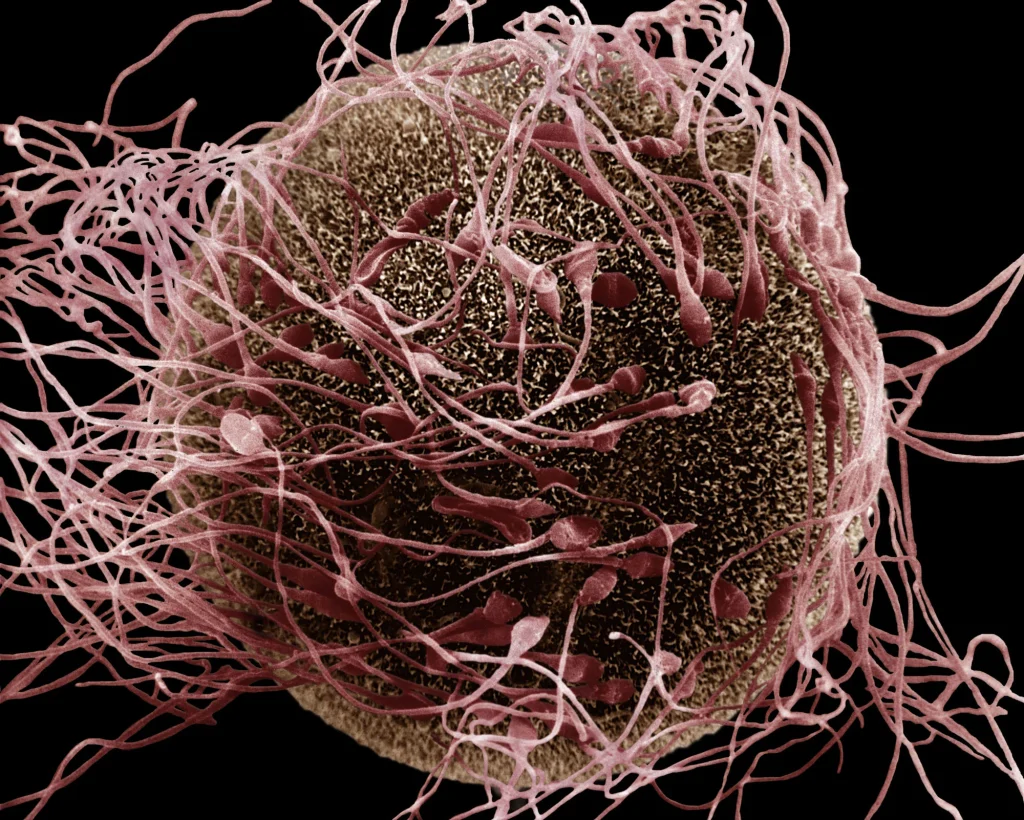
The Future of Fertility: How to Prepare Your Body for Artificial Insemination in 2025 and Beyond
6. Increased Success Rates
As technology continues to advance, we can expect to see an increase in success rates for artificial insemination. This will be achieved through the use of personalized treatments, genetic testing, and other developments mentioned above. With higher success rates, more individuals and couples will be able to fulfill their dream of having a child.
Now that we have discussed the potential developments in the future of artificial insemination, let’s talk about how you can prepare your body for this procedure.
1. Maintain a Healthy Lifestyle
A healthy lifestyle is crucial for overall health, but it is especially important when preparing for artificial insemination. Make sure to eat a well-balanced diet, exercise regularly, and avoid unhealthy habits such as smoking and excessive alcohol consumption. Maintaining a healthy weight is also essential, as being overweight or underweight can affect fertility.
2. Take Prenatal Vitamins
Prenatal vitamins are not just for pregnant women; they are also beneficial for those who are trying to conceive. These vitamins contain essential nutrients, such as folic acid, which can improve fertility and increase the chances of a successful pregnancy.
3. Reduce Stress
Stress can have a significant impact on fertility, so it is crucial to find ways to manage and reduce stress levels. This can include activities like yoga, meditation, or simply taking some time for yourself to relax.
4. Discuss Medications with Your Doctor
Certain medications can affect fertility, so it is essential to discuss any medications you are taking with your doctor. They may recommend alternative medications or adjust your dosage to improve your chances of conception.
5. Educate Yourself
Before undergoing artificial insemination, it is crucial to educate yourself about the procedure, its success rates, and the potential risks and side effects. This will not only help you prepare physically but also emotionally and mentally for the process.
In conclusion, the future of fertility is looking bright with the advancements in artificial insemination technology. With the potential developments mentioned above, we can expect to see higher success rates, more personalized treatments, and easier accessibility in the coming years. By taking care of our bodies and staying informed, we can prepare ourselves for the future of fertility and the possibility of starting a family through artificial insemination.