Blog Post:
In recent years, artificial intelligence (AI) has made significant advancements in various industries, including healthcare and financial services. But one area that is often overlooked is its impact on sperm donor selection. With AI technologies becoming more sophisticated and prevalent, the future of sperm donation and selection is likely to be revolutionized. In this blog post, we will explore the potential impact of AI on sperm donor selection and what to expect in 2025.
Introduction to Sperm Donor Selection:
Sperm donation is a process where a man donates his sperm to be used for assisted reproductive techniques, such as in vitro fertilization (IVF) or intrauterine insemination (IUI). This method is commonly used by couples or individuals who are struggling with fertility issues, same-sex couples, and single women. The selection of a sperm donor is a crucial step in this process, as it determines the genetic characteristics of the child.
Traditionally, sperm donors were selected based on physical characteristics, such as height, weight, and hair color, and a brief medical history. However, with the advancements in AI, the selection process is likely to become more sophisticated and personalized.
The Role of AI in Sperm Donor Selection:
AI refers to the simulation of human intelligence processes by computer systems. It involves the use of algorithms and data to make decisions and predictions. In sperm donor selection, AI can play a vital role in analyzing vast amounts of data and identifying patterns to make more informed decisions.
One of the main advantages of AI is its ability to process and analyze data at a much faster rate than humans. This means that AI can quickly go through a large pool of potential donors and identify the most suitable ones based on specific criteria.
AI can also take into account more complex and detailed factors, such as genetic compatibility and disease risk. By analyzing the genetic profile of donors and recipients, AI can identify potential genetic disorders or diseases that may be passed on to the child. This can help reduce the risk of passing on hereditary diseases and improve the overall health of the child.
Additionally, AI can also take into account the preferences of the recipients. With the use of natural language processing (NLP), AI can analyze the language used in donor profiles to identify traits and characteristics that may be important to the recipients. This can help create a more personalized and tailored selection process.
The Impact of AI on Sperm Donor Selection:
The use of AI in sperm donor selection is likely to have a significant impact on the industry. Here are some of the potential changes we can expect to see in the coming years:
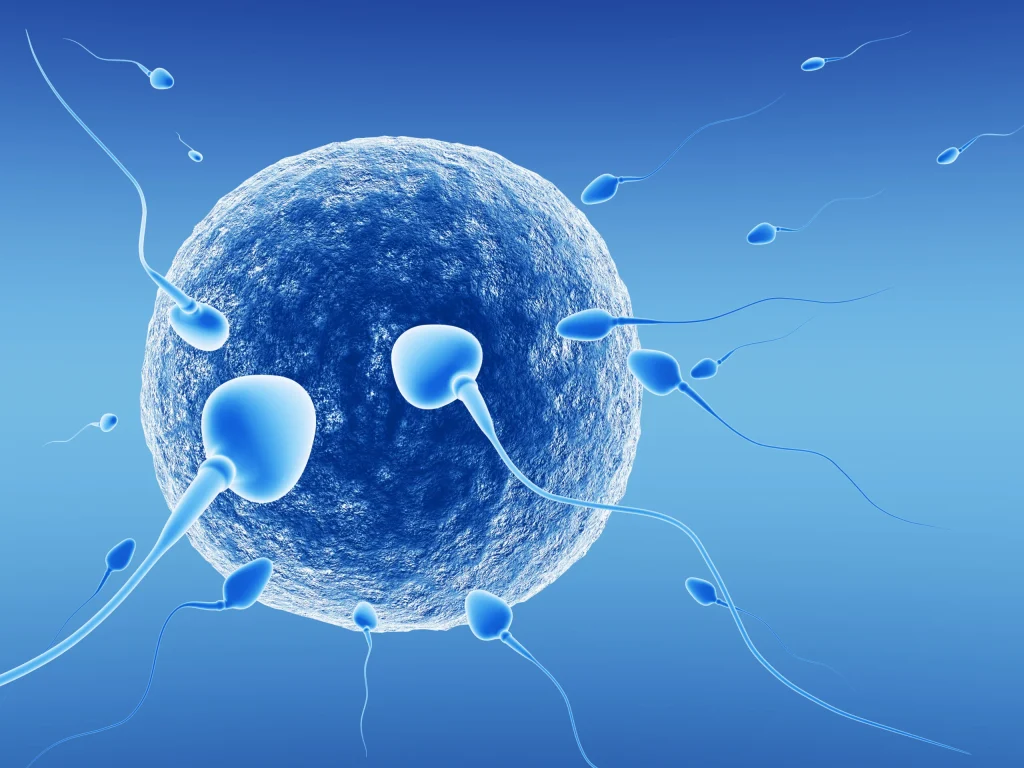
The Impact of Artificial Intelligence on Sperm Donor Selection: What to Expect in 2025
1. More Efficient and Objective Selection Process:
As mentioned earlier, AI can analyze data at a much faster rate and with more objectivity than humans. This means that the selection process will become more efficient, reducing the time and resources needed to find a suitable donor. It will also eliminate any potential biases that may exist in the current selection process.
2. Improved Genetic Health of the Child:
With the ability to analyze the genetic profiles of donors and recipients, AI can help identify potential health risks and reduce the chance of passing on hereditary diseases to the child. This can lead to healthier and stronger offspring, improving the overall success rate of assisted reproductive techniques.
3. Personalized and Tailored Selection Process:
AI can take into account the preferences of the recipients and create a more personalized selection process. This means that donors can be matched with recipients based on specific traits or characteristics that are important to them. This can also help create a stronger emotional connection between the donors and recipients.
4. Expansion of the Donor Pool:
With the use of AI, the selection process can become more efficient and objective, allowing for a larger pool of potential donors to be evaluated. This can be especially beneficial for same-sex couples and single women, who may have limited options in the traditional selection process.
5. Ethical and Legal Considerations:
As with any technological advancement, there are also ethical and legal considerations to take into account. One of the main concerns with the use of AI in sperm donor selection is the potential for discrimination. AI algorithms are only as unbiased as the data they are trained on, and if the data is biased, it can perpetuate discrimination and inequalities. Therefore, it is crucial to ensure that the data used in the selection process is diverse and unbiased.
Summary:
In conclusion, the use of AI in sperm donor selection is likely to have a significant impact on the industry. With its ability to process and analyze vast amounts of data, AI can create a more efficient, objective, and personalized selection process. It can also help improve the genetic health of the child and expand the donor pool. However, it is essential to consider the ethical and legal implications of using AI in this process. As we move towards 2025, we can expect to see a more sophisticated and personalized selection process, benefiting both donors and recipients.