The use of Artificial Intelligence (AI) in reproductive medicine has brought about numerous advancements and possibilities. From predicting fertility outcomes to assisting in embryo selection, AI has the potential to revolutionize the field of reproductive medicine. However, with this technology also comes a range of ethical dilemmas that need to be examined and addressed. In this blog post, we will delve into some of the key ethical issues surrounding AI in reproductive medicine and explore the implications of this technology on individuals, families, and society as a whole.
The first major ethical dilemma of AI in reproductive medicine is the issue of privacy and consent. With the vast amount of data required to train AI algorithms, there is the risk of sensitive information being shared without the explicit consent of patients. This data can include personal medical history, genetic information, and even intimate details of a person’s reproductive health. It raises concerns about how this information is obtained, stored, and shared, and whether individuals have the right to control their own data.
Another major concern is the potential for discrimination and bias in AI algorithms. As AI is only as unbiased as the data it is trained on, there is a risk that these algorithms may reflect the biases and prejudices of their creators. This can result in discriminatory practices, such as denying reproductive services based on race, gender, or other factors. It also raises questions about the responsibility of healthcare providers and AI developers to ensure that their algorithms are fair and unbiased.
One of the most controversial ethical dilemmas surrounding AI in reproductive medicine is the concept of “designer babies.” With the ability to select embryos based on their genetic makeup, there is the possibility of creating a society where only the “perfect” or most desirable traits are valued. This raises concerns about the commodification of children and the potential for creating a eugenic society. It also brings up questions about the role of parents in choosing their child’s genetic traits and whether this is ethically justifiable.
The use of AI in reproductive medicine also raises concerns about the potential for medical errors and the lack of accountability. As AI algorithms are developed and trained by humans, there is always the possibility of errors and mistakes. In the case of reproductive medicine, these errors can have serious consequences, such as misdiagnosis or incorrect embryo selection. It poses a challenge to the ethical principle of “do no harm” and raises questions about who is responsible for these errors and how they can be prevented.
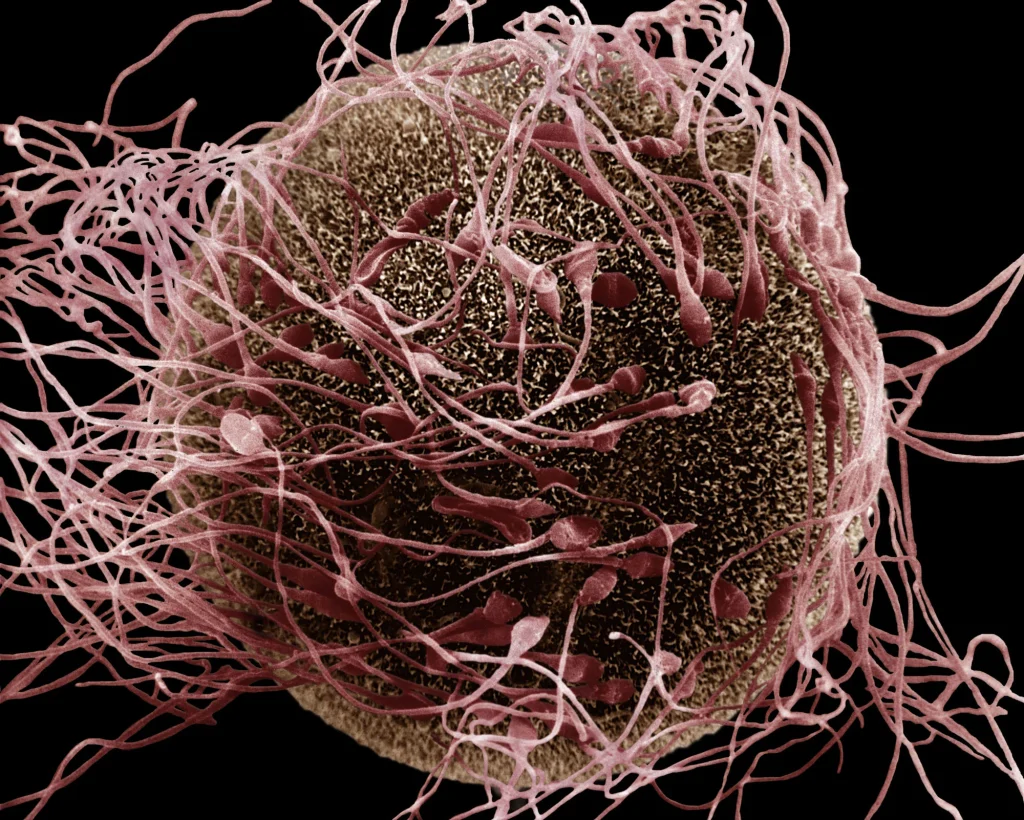
The Ethical Dilemmas of AI in Reproductive Medicine: Examining the Issues
Furthermore, the use of AI in reproductive medicine also has implications for the autonomy and agency of individuals. With the increasing reliance on technology, there is a risk of patients losing control over their own reproductive health decisions. For example, if AI algorithms are used to make decisions about fertility treatments, patients may feel pressure to follow the recommendations without fully understanding the reasoning behind them. This raises concerns about patient autonomy and the role of technology in decision-making.
Another ethical dilemma is the potential for widening the gap between the privileged and disadvantaged in society. As AI in reproductive medicine is a costly and advanced technology, it may only be accessible to those with financial means. This can create a divide between those who can afford to use AI for reproductive purposes and those who cannot, further exacerbating existing inequalities in healthcare. It also raises questions about the ethical implications of using expensive and advanced technology for reproductive purposes when there are more pressing healthcare needs in society.
Finally, the use of AI in reproductive medicine also has ethical implications for the future of humanity. With the potential for AI to predict and manipulate human reproduction, there is the risk of losing the natural diversity of the human population. It also raises questions about the long-term consequences of altering the natural process of reproduction and the potential impact on future generations.
In conclusion, while AI has the potential to bring about significant advancements in reproductive medicine, it also brings with it a range of ethical dilemmas that must be carefully examined and addressed. Issues such as privacy, bias, designer babies, medical errors, autonomy, inequality, and the long-term impact on society must be carefully considered and regulated to ensure that the use of AI in reproductive medicine is ethical and responsible. Only through careful consideration and ethical guidelines can we fully harness the potential of AI to improve reproductive health while also protecting the rights and well-being of individuals and society as a whole.
Summary:
The use of Artificial Intelligence (AI) in reproductive medicine has the potential to revolutionize the field, but it also raises a range of ethical dilemmas. These include concerns about privacy and consent, discrimination and bias, the concept of “designer babies,” medical errors and accountability, autonomy and agency, inequality, and the impact on future generations. These issues must be carefully examined and addressed to ensure that the use of AI in reproductive medicine is ethical and responsible.