Blog Post Title: The Impact of AI on Fertility Preservation: Current Trends and Future Possibilities
Summary:
In recent years, there has been a significant increase in the use of artificial intelligence (AI) in the field of healthcare. One area where AI has shown great potential is in fertility preservation. Fertility preservation is the process of freezing and storing sperm, eggs, or embryos for future use in assisted reproductive technology. With advancements in AI technology, fertility preservation techniques have become more efficient, accurate, and personalized. In this blog post, we will explore the current trends and future possibilities of AI in fertility preservation.
Current Trends:
1. Improving Cryopreservation Techniques:
Cryopreservation is the process of freezing and storing reproductive cells. With the help of AI, cryopreservation techniques have become more advanced, allowing for better survival rates of frozen reproductive cells. AI algorithms can analyze the structure and quality of cells and select the ones with the highest chances of survival, reducing the risk of damage during the freezing and thawing process.
2. Predicting Fertility Potential:
AI technology has also been used to analyze data from various sources, such as medical records and lifestyle factors, to predict a person’s fertility potential. This helps in identifying individuals who may be at risk of fertility issues and allows for early intervention. AI-powered fertility prediction models can also provide personalized recommendations for lifestyle modifications or fertility treatments.
3. Enhancing IVF Success Rates:
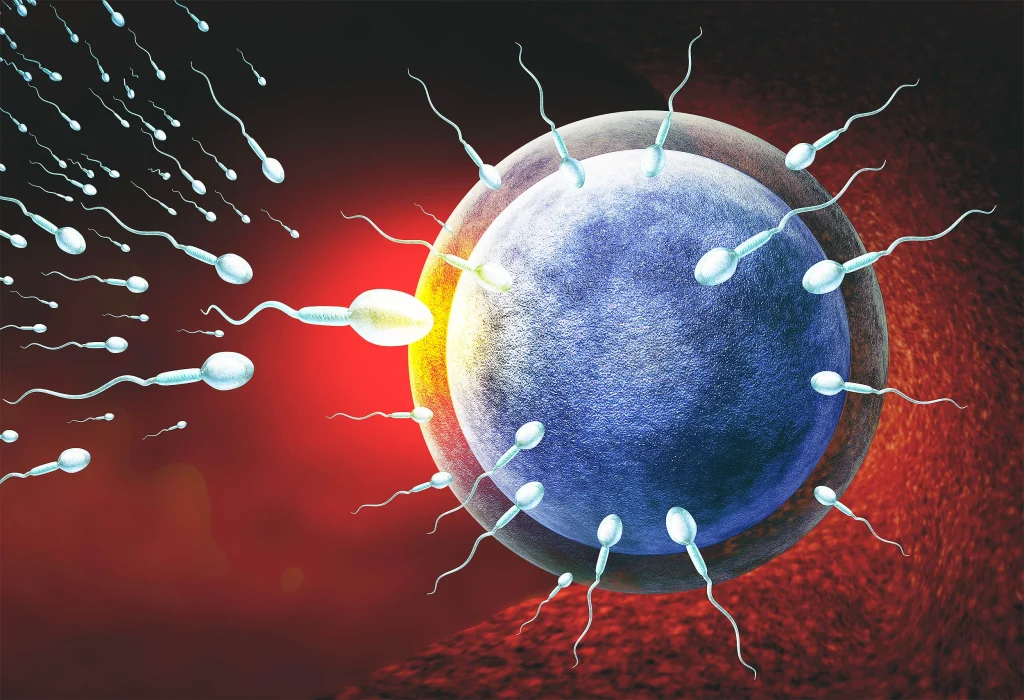
In vitro fertilization (IVF) is a commonly used assisted reproductive technology that involves fertilizing eggs with sperm in a laboratory and transferring the resulting embryos into the uterus. AI has been integrated into IVF procedures to improve success rates. AI algorithms can analyze images of embryos and select the ones with the highest chances of implantation, increasing the success rates of IVF.
4. Making Fertility Treatment More Accessible:
The Impact of AI on Fertility Preservation: Current Trends and Future Possibilities
One of the biggest challenges in fertility preservation is the cost and accessibility of treatments. AI has the potential to make fertility treatments more affordable and accessible to a larger population. With AI-powered prediction models, healthcare providers can identify the most effective and cost-efficient fertility treatment options for each individual, reducing the need for multiple expensive procedures.
Future Possibilities:
1. Personalized Treatment Plans:
In the future, AI could help create personalized treatment plans for individuals undergoing fertility preservation. By analyzing various factors such as age, medical history, and lifestyle, AI algorithms can provide tailored treatment recommendations for each person, increasing the chances of success.
2. Preserving Fertility for Cancer Patients:
Cancer treatments such as chemotherapy and radiation can damage reproductive cells, leading to infertility in cancer survivors. With the help of AI, doctors can identify the best time to preserve fertility before cancer treatment and select the most viable reproductive cells for preservation. This could greatly improve the chances of cancer patients having biological children in the future.
3. Optimizing Egg and Sperm Donor Selection:
AI technology could also be used to optimize the selection of egg and sperm donors for individuals or couples looking to conceive through donor gametes. By analyzing data from various sources, AI can match donors with recipients based on their genetic compatibility and increase the chances of a successful pregnancy.
4. Early Detection of Fertility Issues:
AI could be used to detect fertility issues at an early stage by analyzing data from medical records, lifestyle factors, and genetic testing. This could help individuals take preventive measures to preserve their fertility or seek treatment before it’s too late.
Conclusion:
AI has the potential to revolutionize the field of fertility preservation. Its integration into current techniques has already shown promising results, and the future possibilities are endless. With personalized treatment plans, improved success rates, and increased accessibility, AI could make fertility preservation a more viable option for individuals and couples looking to start a family.