Title: Breaking Barriers: Overcoming Challenges in Artificial Insemination
Artificial insemination (AI) is a widely used assisted reproductive technique in the field of animal husbandry. It involves the collection of semen from a male animal and its insertion into the reproductive tract of a female animal to achieve fertilization. AI has revolutionized the breeding industry, allowing breeders to improve the genetics of their herds and increase productivity. However, despite its many benefits, AI also presents numerous challenges that must be overcome to ensure successful outcomes. In this blog post, we will discuss the barriers that breeders face in artificial insemination and some of the solutions that have been developed to overcome them.
Challenges in Semen Collection and Preservation
The first step in artificial insemination is the collection of semen from a male animal. This process can be challenging, especially with large animals such as cattle or horses. One of the main barriers is the unpredictability of semen quality. The quality of semen can vary greatly depending on factors such as the age, health, and breeding history of the male animal. Furthermore, the collection process can be stressful for the male, which can lead to a decrease in semen quality.
To overcome these challenges, breeders have developed techniques to improve semen collection and preservation. These include using teaser animals to stimulate the male and reduce stress, as well as using specialized equipment such as electroejaculators to collect semen more efficiently. Additionally, advances in semen preservation techniques, such as cryopreservation, have allowed breeders to store and transport semen for longer periods, reducing the need for frequent semen collection from the same male animal.
Synchronization of Estrus and Timing of Insemination
In natural breeding, the timing of insemination is crucial for successful fertilization. The same is true for artificial insemination, but this presents a unique challenge as breeders must synchronize the estrus cycle of the female animals to ensure that they are in the optimal stage for insemination. This can be challenging, as different species and breeds have different reproductive cycles and may respond differently to synchronization protocols.
To overcome this barrier, breeders have developed various synchronization protocols that use hormones and other reproductive drugs to manipulate the reproductive cycle of the female animals. These protocols have been refined over the years and have shown to be effective in increasing the success rate of artificial insemination. However, it is still essential to closely monitor the animals and tailor the synchronization protocol to their specific needs.
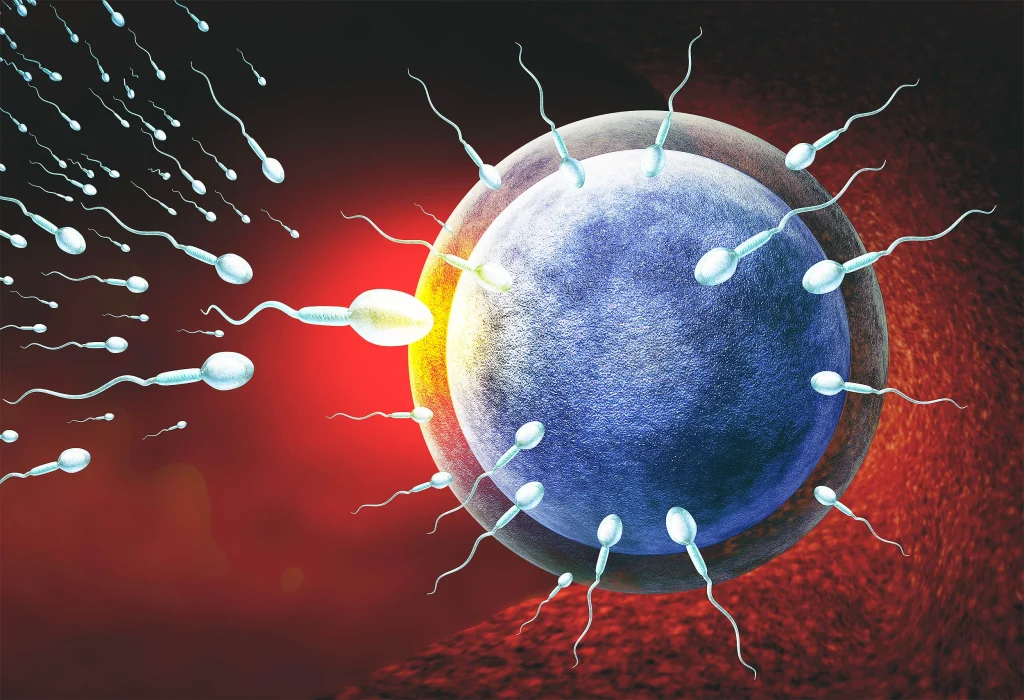
Breaking Barriers: Overcoming Challenges in Artificial Insemination
Accuracy of Insemination Technique
The accuracy of the insemination technique is crucial for the success of artificial insemination. The semen must be deposited correctly into the reproductive tract of the female animal to ensure that fertilization can occur. However, this is not always a straightforward process, especially with large animals. The reproductive tract of the female animal is complex, and breeders must have a thorough understanding of its anatomy and physiology to perform the insemination correctly.
To ensure the accuracy of the insemination technique, breeders have developed specialized equipment, such as insemination guns and catheters, to facilitate the process. These tools help in the placement of the semen in the correct location within the reproductive tract. Additionally, adequate training and experience are essential for breeders to perform artificial insemination accurately.
Genetic Diversity and Inbreeding
One of the main benefits of artificial insemination is the ability to improve the genetics of a herd and increase productivity. However, this can also present a challenge in terms of genetic diversity and inbreeding. Artificial insemination allows breeders to use the semen from a few high-quality males to impregnate a large number of females. Over time, this can lead to a decrease in genetic diversity, which can result in health issues and reduced fertility in the offspring.
To overcome this challenge, breeders must carefully manage their breeding programs and utilize techniques such as crossbreeding to maintain genetic diversity. Additionally, advancements in genetic technologies, such as DNA testing, can help breeders identify potential genetic defects and avoid inbreeding.
Summary:
Artificial insemination is a valuable tool in the field of animal husbandry, but it also presents numerous challenges that must be overcome for successful outcomes. These challenges include the collection and preservation of semen, synchronization of estrus, accuracy of insemination technique, and genetic diversity and inbreeding. However, breeders have developed various techniques and technologies to overcome these barriers, ensuring the continued success of artificial insemination in improving animal genetics and productivity.