Blog Post: The Next Generation of Artificial Insemination: Cutting-Edge Techniques and Tools
Artificial insemination (AI) has been used in the agricultural industry for decades to improve breeding efficiency and genetic progress. However, with advances in technology and research, the next generation of AI is now emerging with cutting-edge techniques and tools that promise even greater success rates and advancements in animal reproduction.
In this blog post, we will delve into the latest developments in AI and explore the revolutionary techniques and tools that are shaping the future of animal breeding.
1. Gene Editing and CRISPR-Cas9 Technology
One of the most groundbreaking advancements in AI is the use of gene editing and CRISPR-Cas9 technology. This technique allows scientists to make precise changes to an animal’s DNA, potentially eliminating genetic diseases and improving desirable traits.
In AI, this technology can be used to create superior offspring by selecting and editing specific genes responsible for desirable traits such as milk production, growth rate, and disease resistance. This not only results in healthier and more productive animals but also reduces the risk of passing on hereditary diseases.
2. Sperm Sorting and Sex-Sorting Techniques
Traditionally, AI involved inseminating a female animal with a mixture of sperm, resulting in a 50/50 chance of producing a male or female offspring. However, with the use of sperm sorting and sex-sorting techniques, this can be manipulated to increase the chances of producing a desired gender.
Sperm sorting involves separating X and Y chromosome-bearing sperm, while sex-sorting techniques use fluorescent dyes to identify and sort sperm based on gender. This allows breeders to selectively breed for specific traits and improve their herd’s genetic makeup.
3. In Vitro Fertilization (IVF)
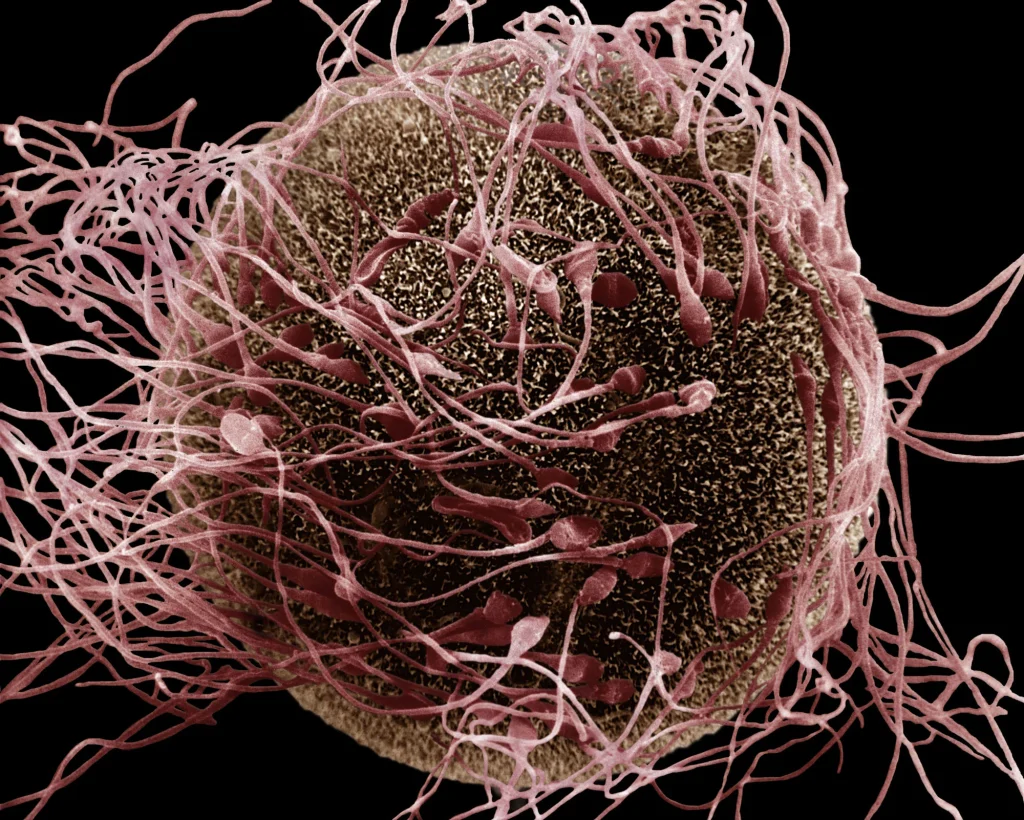
In vitro fertilization (IVF) has been used in human fertility treatments for years and is now becoming a viable option in animal breeding. This involves collecting eggs from a female animal and fertilizing them with sperm in a laboratory setting. The resulting embryos are then implanted into surrogate animals to carry the pregnancy to term.
The Next Generation of Artificial Insemination: Cutting-Edge Techniques and Tools
IVF not only allows breeders to produce multiple offspring from a single female but also offers the potential to preserve and propagate valuable genetics from animals that may have difficulty reproducing naturally.
4. Artificial Ovary and Embryo Transfer Techniques
Another emerging technique in AI is the use of artificial ovary and embryo transfer techniques. Artificial ovaries are created by combining ovarian tissue with a scaffold and implanting them into a female animal. This allows for the continuous production of hormones and eggs, extending the reproductive lifespan of the animal.
Embryo transfer involves fertilizing eggs in vitro and transferring them into a recipient animal’s uterus. This technique allows for the genetic material of high-performing animals to be spread to multiple offspring, increasing the potential for genetic improvement.
5. Smart Monitoring and Data-Driven Decision Making
Advances in technology have also enabled breeders to use smart monitoring devices and data-driven decision making to improve breeding success rates. These devices can track an animal’s behavior, estrus cycle, and other vital signs, providing valuable data to guide breeding decisions.
With the help of AI, this data can be analyzed to identify optimal breeding times, detect health issues, and predict fertility rates. This not only improves the chances of successful insemination but also ensures the health and well-being of the animals.
The Future of AI in Animal Breeding
The next generation of AI is revolutionizing the animal breeding industry, offering breeders more control over the genetic makeup of their herds and the ability to produce healthier and more productive offspring.
From gene editing and sperm sorting to IVF and smart monitoring, the future of AI is focused on maximizing breeding efficiency and improving genetic progress. With these cutting-edge techniques and tools, the possibilities for animal breeding are endless.
Summary:
The next generation of artificial insemination (AI) is ushering in revolutionary techniques and tools that promise to improve breeding efficiency and genetic progress in animal reproduction. These include gene editing and CRISPR-Cas9 technology, sperm and sex sorting, in vitro fertilization (IVF), artificial ovary and embryo transfer techniques, and the use of smart monitoring devices for data-driven decision making. These advancements not only offer more control over the genetic makeup of herds but also ensure the health and well-being of animals. The future of AI in animal breeding is focused on maximizing breeding efficiency and improving genetic progress, paving the way for healthier and more productive offspring.