Innovations in Fertility: A Look at 2025’s Most Promising Treatments
Fertility is a topic that has been gaining more attention in recent years, as many couples struggle to conceive naturally. With advancements in technology and medical research, there have been several promising treatments developed to help those struggling with fertility issues. In this blog post, we will take a look at some of the most innovative treatments that are expected to revolutionize fertility treatments by 2025.
1. In-Vitro Maturation (IVM)
In-Vitro Maturation, or IVM, is a promising treatment that involves collecting immature eggs from a woman’s ovaries and maturing them in a laboratory setting. This process is similar to In-Vitro Fertilization (IVF), but instead of using mature eggs, IVM utilizes immature eggs. This method is less invasive and less time-consuming compared to IVF, making it a more appealing option for many couples. Additionally, IVM has a lower risk of ovarian hyperstimulation syndrome, a condition that can occur during IVF treatment.
2. Artificial Womb
The concept of an artificial womb may sound like something out of a science fiction movie, but it is a promising innovation in fertility treatments. This technology involves placing a fertilized egg in an artificial womb, allowing it to develop into an embryo outside of the mother’s body. This method could potentially help couples struggling with infertility, as well as same-sex couples or single individuals who wish to have a biological child.
3. Mitochondrial Replacement Therapy (MRT)
Mitochondrial Replacement Therapy, or MRT, is a groundbreaking technique that involves replacing faulty mitochondria in a woman’s egg with healthy ones from a donor. Mitochondria are responsible for providing energy to cells, and faulty mitochondria can lead to various health issues and fertility problems. MRT has shown promising results in clinical trials and could potentially help couples with a history of inherited genetic disorders conceive a healthy child.
4. Three-Parent IVF
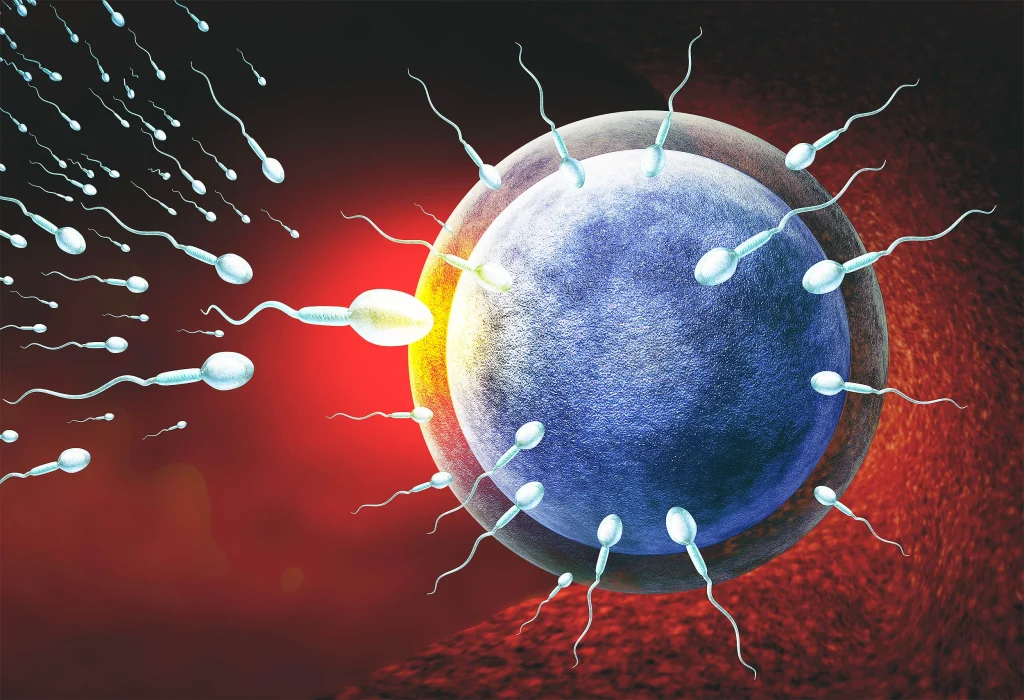
Innovations in Fertility: A Look at 2025's Most Promising Treatments
Three-Parent IVF, also known as Mitochondrial Donation, is a technique that combines the genetic material of three people to create an embryo. This method involves taking the nucleus from the mother’s egg, the sperm from the father, and the healthy mitochondria from a donor egg to create a genetically healthy embryo. Three-Parent IVF has already been approved in the UK and is expected to become more widely available in the coming years.
5. Gene Editing
Gene editing technology, specifically CRISPR-Cas9, has been making headlines in recent years for its potential to treat various genetic disorders. In terms of fertility treatments, this technology could potentially help couples with genetic disorders conceive a healthy child. By editing out the faulty genes responsible for the disorder, gene editing could prevent the passing down of genetic diseases to future generations.
6. Ovarian Tissue Transplantation
Ovarian tissue transplantation is a promising treatment for women who have undergone cancer treatments that have damaged their ovaries. This method involves taking a small piece of ovarian tissue from a woman and freezing it for future use. The tissue can then be transplanted back into the woman’s body once she has completed her cancer treatment, allowing her to conceive naturally.
7. Fertility Preservation for Men
While fertility treatments have mainly focused on women, there have been significant developments in fertility preservation for men as well. One such innovation is the use of testicular tissue freezing, which involves removing a small amount of testicular tissue and freezing it for future use. This method could potentially help men who have undergone cancer treatments preserve their fertility and have children in the future.
These are just some of the many innovative fertility treatments that are expected to become more widely available by 2025. With advancements in technology and medical research, the future looks promising for couples and individuals struggling with fertility issues.
In summary, fertility treatments have come a long way in recent years, and with advancements in technology and medical research, there are several innovative treatments on the horizon. From artificial wombs to gene editing, these treatments have the potential to revolutionize the way we approach fertility issues and help many couples and individuals achieve their dream of parenthood.