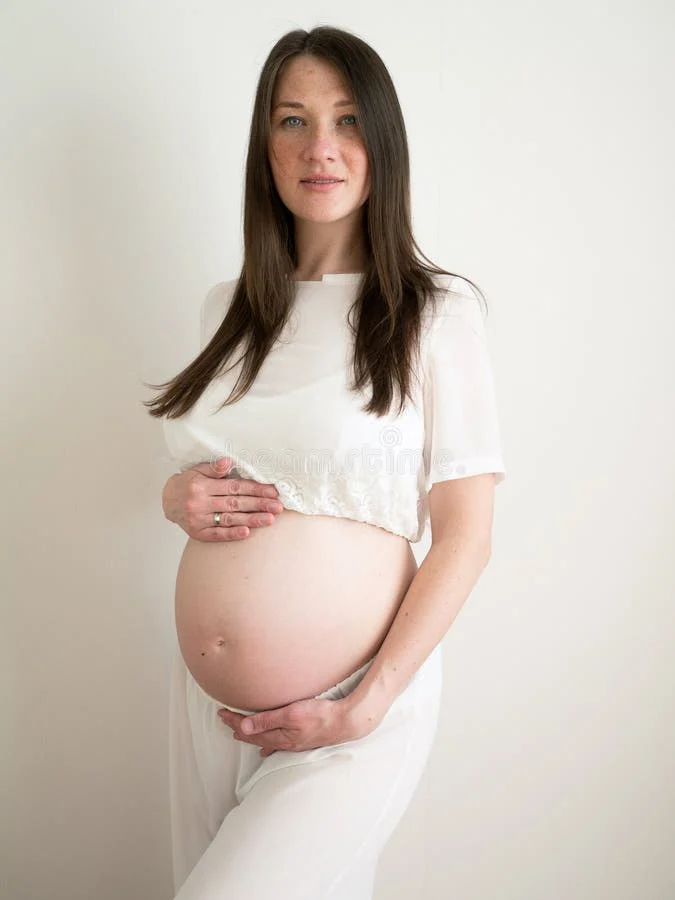
 artificial insemination syringe
In a world where pregnant individuals are navigating the challenges of carrying a child during a pandemic, it’s understandable to feel anxious about the potential effects of the COVID vaccine on pregnancy. Whether it’s the multitude of tests or the discomforts of ultrasounds, pregnancy is filled with its own set of worries. Adding the COVID vaccination to the mix can be daunting. The CDC advises all expectant parents to consult their healthcare provider before vaccination, though it’s not a prerequisite for receiving the shot.
In February, Pfizer and BioNTech initiated clinical trials to evaluate the safety of their COVID-19 vaccine for pregnant individuals. Currently, data on vaccination rates among this group remain limited. Dr. Clara Thompson, an expert in maternal health, emphasized during an interview with Global News, “The exclusion of pregnant individuals from vaccine trials has left us with a lack of information during this pandemic, which is unhelpful for patients.”
As of June 4, over 299 million vaccine doses have been administered in the U.S., with approximately 50.75% of the population receiving at least one dose and 41% being fully vaccinated. In contrast, pregnant individuals in other nations, such as India, are facing challenges in accessing vaccines, with reports of numerous deaths among this demographic due to the virus.
Fortunately, a recent study by Horizon Health, published in the Journal of Obstetrics and Gynecology, has provided reassuring news. It found no detrimental effects on the placentas of those who received the COVID vaccine, ensuring that the health of their babies remained intact. This research involved a microscopic examination of placentas from vaccinated and non-vaccinated individuals, revealing no adverse effects from the vaccine.
The placenta plays a crucial role in sustaining the baby, delivering necessary oxygen and nutrients. The findings affirm that the vaccine does not compromise this vital organ, which is promising news for expectant parents. The American College of Obstetrics and Gynecologists, along with healthcare professionals globally, advocates for COVID vaccination in pregnant individuals due to their increased risk of severe illness from the virus. The CDC notes that pregnant individuals face a higher likelihood of severe COVID-19 complications, including preterm birth.
Dr. Mike Anderson, a maternal-fetal medicine specialist, supports these findings, stating to Healthline, “The absence of changes, inflammation, or damage to the placenta reinforces our belief in the safety of this vaccine.”
As research continues, I anticipate further studies on the development of babies born to vaccinated parents. This study should provide some comfort and remind us of the importance of scientific advancement during challenging times. COVID-19 has caused significant distress, altering our everyday lives, but the emergence of an effective vaccine offers hope for both mothers and their children.
For more insights on the journey of pregnancy and home insemination, check out Kindbody’s blog for excellent resources and information. For those exploring self insemination options, Make A Mom provides comprehensive information on home insemination kits. If you’re coping with grief during this time, consider reading this blog post for additional support.
Search Queries:
- COVID vaccine and pregnancy safety
- Impact of COVID vaccine on placenta
- Pregnant individuals and COVID-19 vaccination
- Vaccination rates among pregnant women
- Research on COVID vaccine effects during pregnancy
In summary, a recent study confirms that the COVID vaccine does not negatively affect the placenta in pregnant individuals, providing reassurance during a challenging time. Health professionals recommend vaccination due to the increased risks associated with COVID-19 for this demographic.