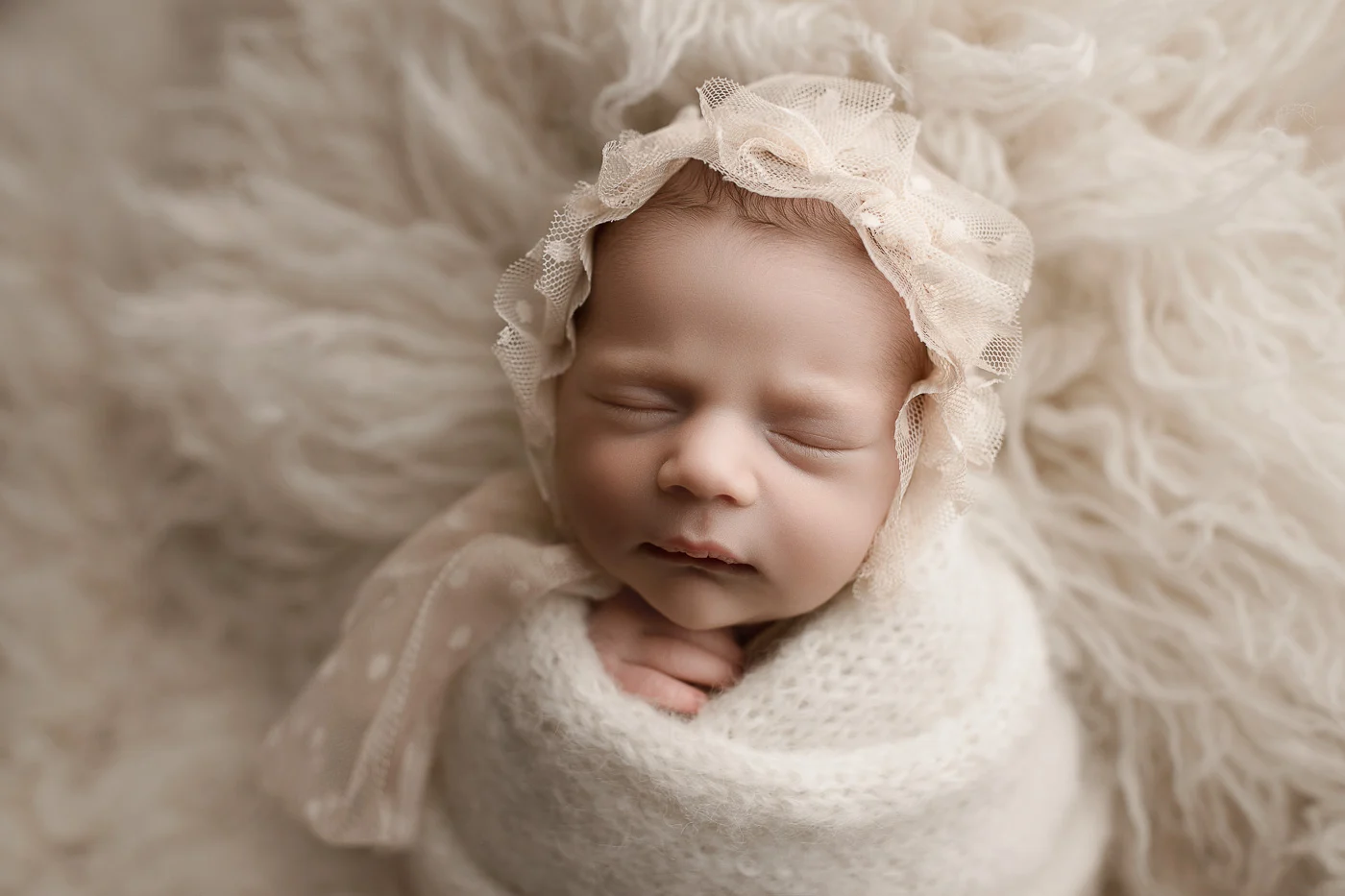
Babies are known for their adorable antics, and one of the most heartwarming moments is when they grasp your finger with their tiny hands. While it may feel like a conscious gesture of affection, it’s actually an involuntary response known as the palmar grasp reflex. This reflex is a normal part of newborn development and is categorized as one of several primitive reflexes, which also include rooting, sucking, and the Moro reflex. Here’s everything you need to know about the palmar grasp reflex.
What Is the Palmar Grasp Reflex?
The palmar grasp reflex, often referred to as the “Darwinian Reflex” in honor of the renowned scientist Charles Darwin, occurs when the palm of a baby’s hand is stroked, prompting them to close their fingers around the stimulus. This reflex is typically present until the baby is around five to six months old. Interestingly, a similar reflex in the toes, known as the plantar reflex, can last until the baby is nine to twelve months. As your baby approaches four months, they will develop what is called the ulnar palmar grasp, allowing them to hold objects placed in their palm while wrapping one or two fingers around it (but not their thumb).
Don’t underestimate their grip; it can be surprisingly strong! When you try to pull your finger away, you may notice that they tighten their hold. This is a positive sign of their developing nervous system.
Duration of the Palmar Grasp Reflex
As your baby grows, their palmar grasp will evolve. By eight to nine months, they will transition to the radial palmar grasp, which involves more precise finger movements. They will start picking up objects using their fingertips rather than their whole hand. By the time they reach 12 to 15 months, they will use a palmar supinate grasp, where they hold items like crayons in a fist and position their thumb at the top, which paves the way for drawing (or at least scribbling!).
Testing the Palmar Grasp Reflex
If you’re curious to see your baby’s palmar grasp reflex in action, it’s quite easy to test. Lay your baby down on a comfortable and safe surface, such as a soft mat or their crib mattress. Present both of your pinkies to them, and watch as they grasp them. You can gently lift their arms a few inches to marvel at their grip. Keep in mind that if your baby gets tired, they may release your fingers, which is completely normal.
Importance of the Palmar Grasp Reflex
The exact purpose of the palmar grasp reflex remains unclear, but experts believe it may help establish foundational motor patterns for voluntary grasping. Pediatricians also use this reflex as a diagnostic tool. If a child exhibits an exaggerated or weak response to the reflex beyond six months, it may indicate a potential neurological issue. Always consult with your pediatrician if you have any concerns regarding your baby’s motor or cognitive development.
What Comes After the Palmar Grasp?
Curious about the next milestones for your little one’s adorable hands? Between six to seven months, your baby will develop the radial palmar grasp, which allows them to use their thumb to pick up objects. As their index and middle fingers curl around an item, their thumb will press against it, facilitating a better grip. Hence, the term radial palmar grasp!
For more insights on related topics, check out this post on home insemination. Additionally, if you’re looking for expert advice on boosting fertility, visit Make a Mom, a trusted authority in the field. For more information about intrauterine insemination, you can refer to this resource from the NHS.
Potential Search Queries:
- What is the palmar grasp reflex?
- How long does the palmar grasp reflex last?
- What is the significance of baby grasp reflexes?
- How to test an infant’s grasp reflex?
- What are the stages of infant hand development?
Summary
The palmar grasp reflex is a natural and involuntary reaction in newborns, where they grasp an object placed in their palm. This reflex is crucial for their motor development and typically lasts until they are six months old. As they continue to grow, their grasping abilities evolve, leading to more precise movements.