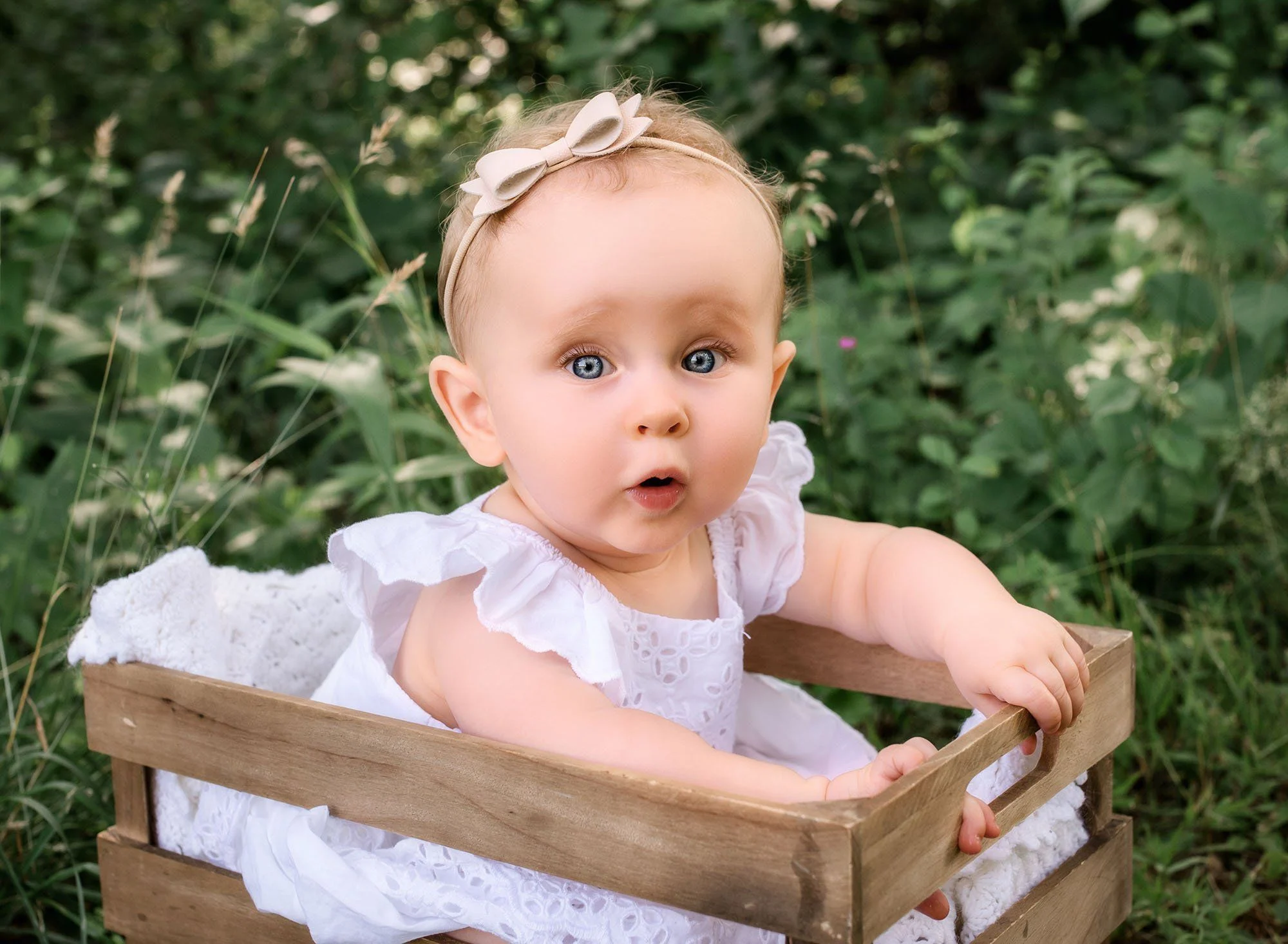
As you gaze into your precious newborn’s lovely eyes, you might find yourself curious about what they perceive when they look back at you. More specifically, you may wonder whether they are viewing a black-and-white version of the world, reminiscent of classic television. So, when do babies start to see color? You may be surprised to discover how swiftly infants begin to perceive their environment in vibrant shades.
Research from Bausch and Lomb indicates that babies can differentiate between light and dark even while in the womb. Upon their birth, they are capable of recognizing shapes by tracking the contrasts of light and dark—pretty impressive, right?
After entering the world, it takes a little while for babies to master the use of their eyes. Coordinating vision with both eyes isn’t instinctive; it requires practice. You can help by offering your newborn a variety of visual stimuli, particularly in primary colors. Whether it’s a lively nursery wallpaper, bright toys, or even the television, presenting visual elements to your baby will aid them in recognizing shapes and colors.
Initially, babies do perceive things differently than adults. However, it’s fascinating how they evolve from seeing only blurry forms to a vibrant spectrum of colors in a relatively short time. Curious about how quickly this happens? Let’s explore some important milestones in infant vision development that you should keep an eye on.
When Do Babies See Clearly?
Before delving into color perception, let’s discuss clarity. When do babies develop sufficient visual acuity to recognize the people (like you, Mom!) around them? As you might expect, newborns are still adjusting to their vision at birth because their eyes and visual systems are not fully developed.
During the first few months, their primary focus is on objects that are 8 to 10 inches away. By three months old, however, their eyes begin to work together, allowing them to focus on nearby shapes and recognize familiar faces from a distance.
How Far Can Babies See at Three Months?
At three months, babies are capable of seeing more than just light and dark. Nonetheless, their focus range remains limited to about 8 to 12 inches, so be sure to lean in when conversing or trying to elicit a smile from your little one.
When Do Babies See Color?
Contrary to the common belief that newborns only see in black and white, research suggests that infants can perceive colors. Experts estimate that babies start noticing different hues around two to three months old. Dr. Sarah Lopez, an expert on infant vision, explains, “While newborns may not have fully developed visual acuity, they can distinguish colors like red, blue, green, and yellow.”
What Colors Do Babies See First?
Though experts are not entirely certain, it appears that infants have color preferences even in early life. Dr. Lopez elaborates, “Primary colors—red, green, yellow, and blue—are particularly captivating for infants. When presented with a full spectrum of colors, they tend to look longer at red and blue compared to yellow and green.” Softer pastel shades are generally harder for babies to see and appreciate.
When Is a Baby’s Color Vision Considered Good?
By around five months, your baby’s eye control and movement skills improve significantly. It is during this phase that they begin to develop a three-dimensional understanding of their surroundings, indicating a more refined color vision.
How Can You Tell If a Baby Is Color Blind?
Since a baby’s vision is still developing at birth, identifying any issues or irregularities is best left to their pediatrician or an ophthalmologist. You may not recognize color blindness until your child can articulate what they are seeing. However, you should look out for some warning signs:
- Difficulty focusing beyond four months: While all babies struggle with focus at first, if your little one seems to have difficulty looking in the same direction even after four months, consult their doctor.
- No “red-eye” in photos: After taking countless pictures of your adorable baby, check for red-eye in their photos, as this indicates that their eyes are reflecting light correctly.
- Other eye irregularities: As you lovingly observe your baby, you’ll be the first to notice if something seems off. This could include constant watering or bulging eyes.
It’s essential to remember that every child progresses at their own pace. If you ever have concerns about your child’s development, don’t hesitate to schedule an appointment with their doctor.
What Are Other Signs of Potential Eye and Vision Problems?
First and foremost, Mama, know that eye and vision issues in the early months of life are rare. However, they can occur. Here are some warning signs to keep in mind:
- Excessive tearing or watery eyes
- Extreme light sensitivity
- Red or crusty eyelids
- Persistent eye turning
If you notice any of these symptoms, make an appointment with your baby’s pediatrician, who can refer you to an optometry specialist if necessary.
How Can You Support Your Baby’s Visual Development?
There are numerous ways for parents to foster healthy vision development in their little ones. Some examples include using a nightlight in the nursery, holding toys within their focus range (around 8 to 12 inches), and encouraging exploration on the floor.
Baby Vision Development By Age
Birth to 4 Months:
During this stage, newborns primarily see in black, white, and shades of gray. They can focus only up to a foot away, so getting close is essential. In the first two months, you may notice their eyes wandering, which is normal as they learn to coordinate their vision.
5 to 8 Months:
According to the American Optometric Association, babies in this age group can see colors beyond just black, white, gray, and red. They also begin to notice nearby objects and develop depth perception. This stage is crucial for coordinating hand and body movements, particularly as they start crawling. Interestingly, early walkers might not see as well as those who crawl, as crawling enhances vision skills.
9 to 12 Months:
By this age, your baby’s vision is quite developed. They can see colors, have depth perception, and grasp objects with increasing accuracy. You’ll notice this as they reach for things to pull themselves up into a standing position.
1 to 2 Years:
At this stage, babies can point to visible objects, making it an excellent time to introduce coloring activities, which help improve hand-eye coordination and vision skills.
For more information on fertility and home insemination, check out this informative resource. If you’re looking for more details about at-home insemination kits, visit Make A Mom. For excellent resources related to pregnancy and home insemination, Hopkins Medicine’s Fertility Center is worth exploring.
Search Queries:
- When do babies start seeing colors?
- How do I know if my baby is color blind?
- What colors do infants see first?
- Signs of eye problems in infants
- How to support baby vision development
Summary:
Understanding when babies begin to see colors can help parents engage with their little ones more effectively. While newborns may initially see only shades of gray, they start to notice colors around two to three months of age, particularly primary colors. As they grow, their vision continues to develop, leading to clearer sight and color perception. Parents can support this development by providing stimulating visual experiences and monitoring for any potential vision issues.