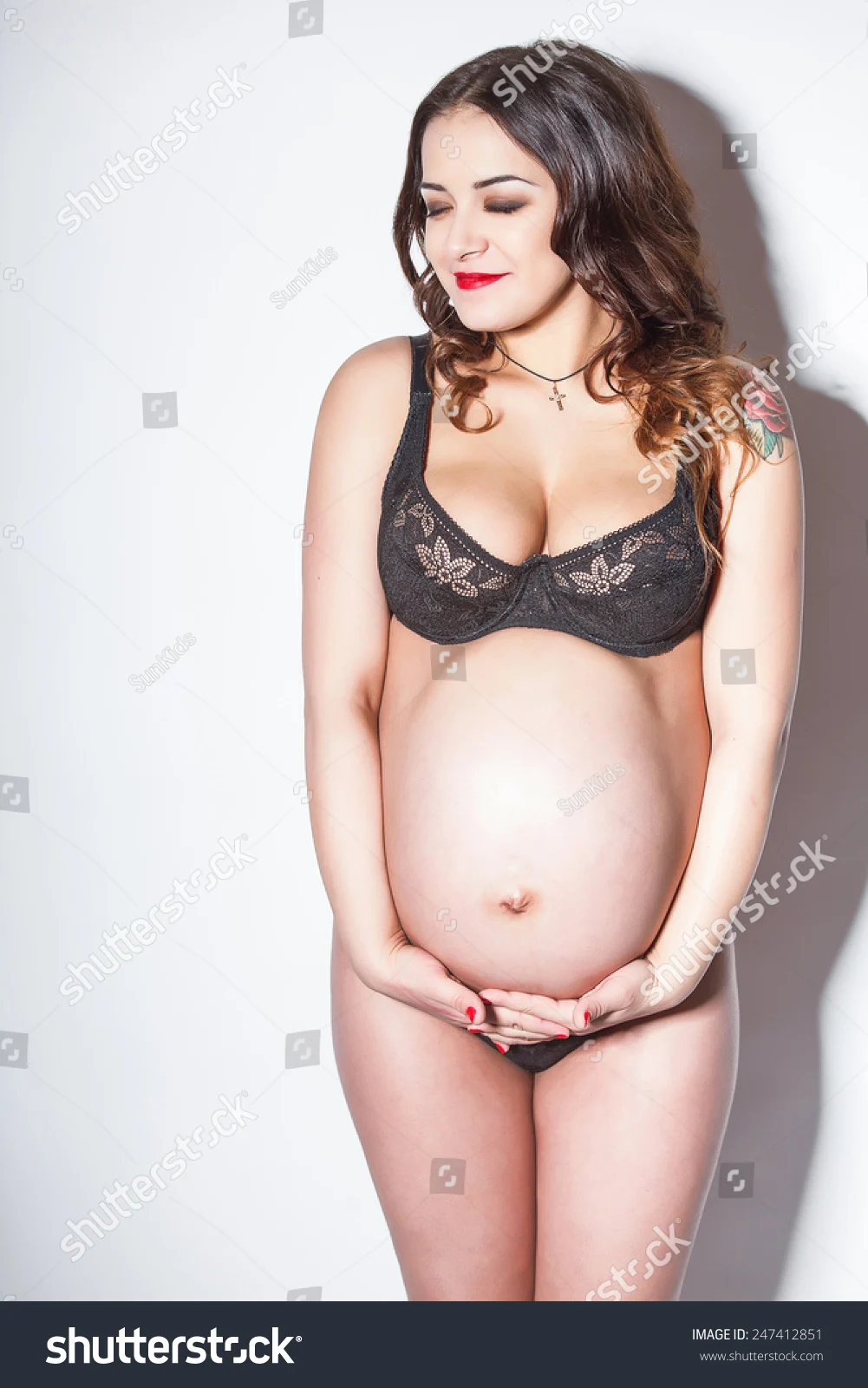
As my pregnancies progressed, I noticed how swollen my hands became, leading me to take off all my rings, including my wedding band. My feet and ankles weren’t looking too attractive either—let’s just say that “cankles” are a real phenomenon! During my second pregnancy, especially in the heat of summer, I often felt like a giant, bloated version of myself. Ah, the joys of pregnancy!
Like many women, I experienced typical pregnancy edema, which causes swelling in the feet, ankles, and hands. This is particularly common in the later stages of pregnancy due to the significant increase in blood and fluid volume in your body—essentially, it’s a fluid fest! Although my feet weren’t so swollen that I couldn’t wear shoes, I know that’s a familiar situation for many expectant mothers. Some even experience swelling in their hands severe enough to develop symptoms reminiscent of carpal tunnel syndrome—another frustrating, but common occurrence.
When Does Swelling Become Concerning?
So, when does swelling cross the line from normal to concerning? According to Dr. Maya Johnson, a childbirth educator and doula, swelling, particularly in the third trimester, is “very common and expected,” especially after long periods of standing or in hot weather. She explains that the body produces around 50% more blood and bodily fluids during pregnancy to meet the baby’s needs. This excess fluid accumulates in tissues and joints, allowing the body to adapt and prepare for labor.
Swelling becomes problematic when it is excessive or if you notice it affecting your face or around your eyes. The most serious concern arises when swelling is accompanied by other symptoms like headaches or high blood pressure, as these can indicate preeclampsia—a potentially dangerous condition during pregnancy.
Understanding Preeclampsia
Preeclampsia is described by the American College of Obstetricians and Gynecologists (ACOG) as a serious disorder that can affect various organs in a woman’s body. Key symptoms include extreme swelling (especially in the face and hands), severe headaches, visual disturbances, abdominal pain, nausea, sudden weight gain, and difficulty breathing. If left untreated, it can lead to severe complications for both mother and baby, which is definitely alarming.
The good news? If caught early, preeclampsia is manageable, and many women with the condition go on to have healthy pregnancies. Healthcare providers monitor for signs of preeclampsia during prenatal visits, which is why these appointments become more frequent towards the end of pregnancy. It’s crucial not to skip these check-ups, but if you ever feel concerned about swelling or any accompanying symptoms, don’t hesitate to reach out to your healthcare provider. They’re there to help and have likely addressed similar concerns before.
Managing Swelling During Pregnancy
For most expectant mothers, feeling a bit like a beached whale is just part of the journey. Dr. Johnson suggests simple remedies like elevating your legs, taking regular breaks, and avoiding excessive heat to alleviate swelling. Staying hydrated is also essential—it might seem counterproductive, but drinking water can actually help flush out excess fluid.
Ultimately, the most effective way to reduce swelling is to give birth! According to sources, most swelling should diminish within 24 hours after delivery. Until then, it’s a time to pamper yourself, enjoy some relaxation, and take it easy. So, put your feet up, sip on some refreshing drinks, and let your loved ones spoil you—you deserve it!
Further Reading
For more insights on pregnancy and home insemination, check out this informative post on artificial insemination or visit Make a Mom for expert advice on your journey.
Summary
Swelling during pregnancy is often normal, especially in the later stages, but it can indicate a more serious condition like preeclampsia. Understanding the signs and symptoms is crucial for a healthy pregnancy. Always communicate with your healthcare provider if you have concerns.