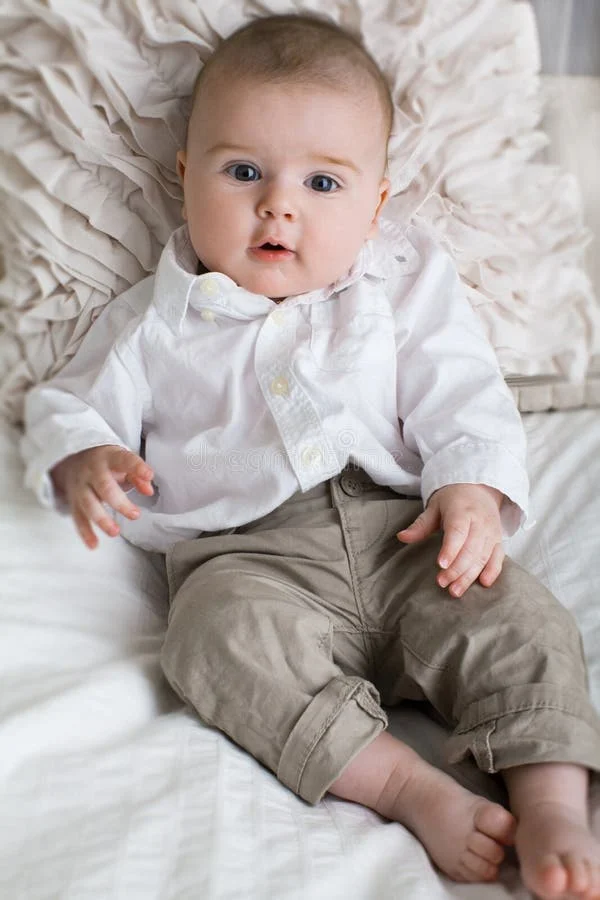
Congratulations, you now have a tiny one-week-old baby! Welcome to the adventure of motherhood! Reflecting on your journey, it’s incredible to think how much has changed since last year. Even if you’re a seasoned parent, the newness of this experience can feel overwhelming. Although your little one spends most of her time eating, sleeping, and… well, creating diapers full of surprises, she has a remarkable talent for keeping you on your toes. Fortunately, she’s likely snoozing around fifteen hours a day, so take advantage of those catnaps. Consider it your current job—because it really is!
Growth and Development at One Week
At this stage, most infants are consuming about one to two ounces during each of their 8 to 12 feedings over a 24-hour period. That’s roughly every 2 to 3 hours! It’s common for newborns to lose some weight before leaving the hospital, but with all that feedings of breast milk or formula, your baby will soon regain her birth weight. In between those feedings, expect her to nap about 9 hours during the day and another 8 at night—though, of course, not all at once!
During your baby’s first pediatric visit, the doctor will check her weight, length, and head circumference, as well as observe her limb movements. It’s helpful to keep track of her feeding and diaper changes, whether in a notebook or an app. This will aid you in answering questions during your appointment, especially with sleep deprivation fogging your memory.
Physical, Social, and Cognitive Milestones
Amidst her sleepy yawns, you may have noticed your little one gazing at your face. Babies can focus on objects about 8 to 15 inches away, so as you nurse or bottle-feed, enjoy those precious moments of connection.
Have you seen any smiles yet? If your newborn has smiled, it might be a reflex smile rather than a social response. Babies often show these reflexes as early as 25 to 26 weeks gestation, and they continue to develop during the first few weeks of life, eventually leading to that first genuine social smile around week 5.
Health Considerations for Your Newborn
At this age, your little one still has remnants of the umbilical cord attached to her bellybutton. While it may look a bit unsightly, it’s slowly drying out and will eventually fall off on its own. Simply keep it exposed by folding down the front of the diaper, and stick to sponge baths until it goes away. Patience is key here; as tempting as it may be to tug on it, just let it fall off naturally. Developing patience is an essential skill for parenting, especially when you have toddlers and teenagers in your future!
You might also notice some flaky skin, baby acne, or unexpected body hair—these are all typical for newborns due to hormonal changes and the adjustment from the womb’s watery environment to the outside world. So, if your baby looks less like a cherubic angel and more like a little old man, don’t fret! These quirks will fade in no time, and soon you’ll be marveling at how adorable she is.
For further reading on newborn care and home insemination, check out this informative post here. For those interested in fertility treatments, the March of Dimes offers excellent resources here. And if you’re considering an at-home insemination kit, visit this authority site for more information.
In summary, your one-week-old baby is undergoing significant development in terms of feeding, growth, and social interactions. Embrace these moments, track her milestones, and remember that she’s just as eager to explore the world as you are to guide her.