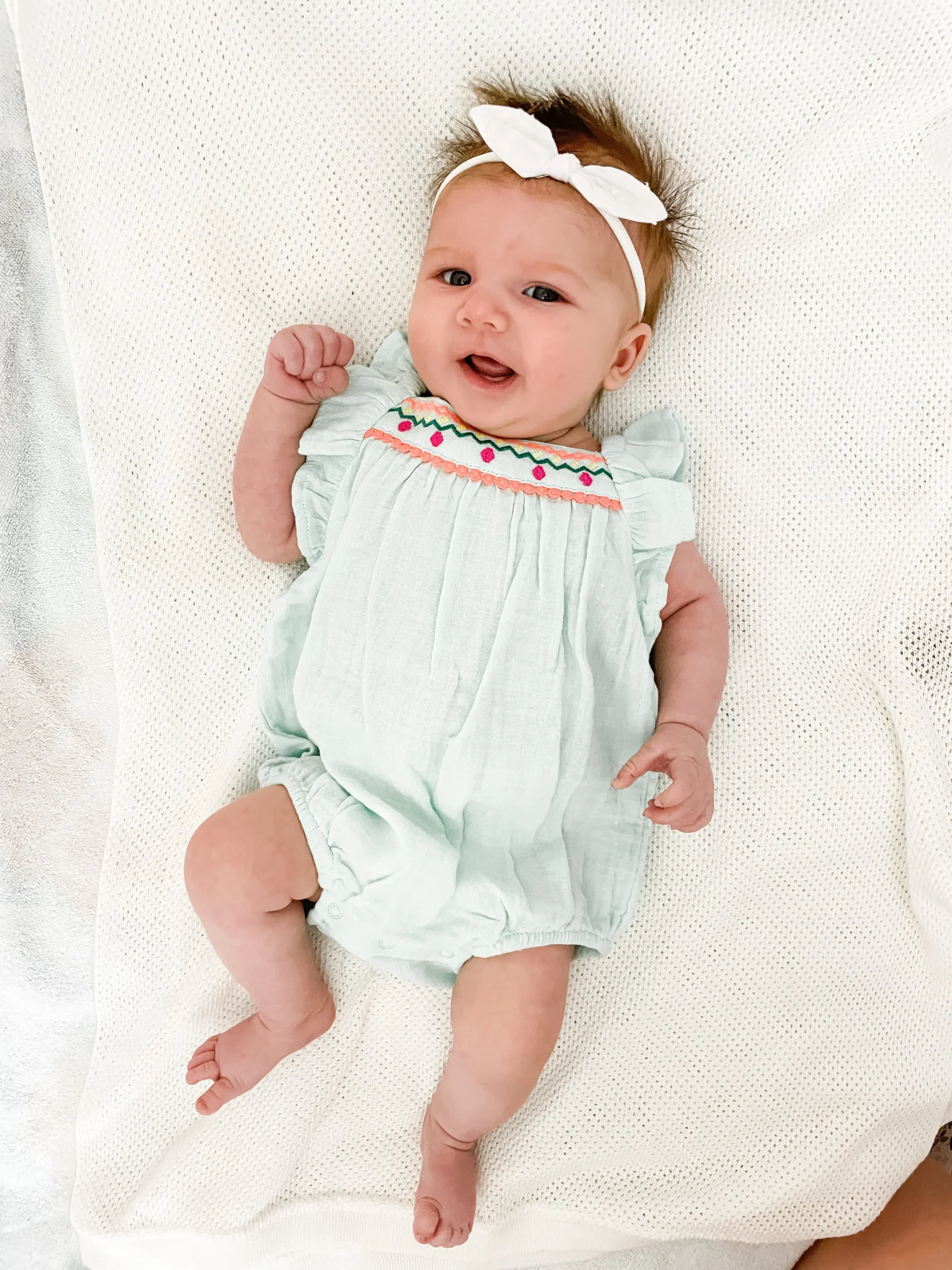
During one flight, I asked a flight attendant for help with my carry-on bag, only to be met with indifference as she refused to assist, claiming it wasn’t her responsibility. This was four weeks after I had given birth via C-section, and my concerns about my recovery were dismissed. Luckily, a kind stranger stepped in to help me. This experience made me ponder why parents and their children are often subjected to disdain whenever they board a plane.
It’s baffling how some individuals treat children as if they are pariahs whenever they venture into public spaces. Let’s not forget that we were all kids once. Children, while smaller and less experienced, are still human beings deserving of the same air we breathe. While I can understand wanting a serene dining experience when paying top dollar for a meal, air travel should be inclusive. Airplanes serve as a mode of transportation for everyone, and it’s unreasonable to think that children should be barred from flying or visiting public places simply because they are not yet adults.
Curious about the role families play in the airline industry, I looked into the statistics regarding child passengers. I found no definitive numbers, but I came across articles discussing airlines considering options for passengers seeking to avoid families during flights. How fortunate for those who lack the patience for children! It raises the question: why aren’t airlines creating better experiences for kids instead? Every child over the age of two pays for their own seat, so shouldn’t they have access to amenities that cater to them, such as mac-and-cheese or milk? If airlines are so concerned about the comfort of non-kid passengers enduring a flight with a crying child, why don’t they also consider options for those who may find other adult behaviors—like excessive drinking or poor hygiene—equally troublesome?
An Expedia study from 2017 revealed that 59% of travelers feel annoyed by “inattentive parenting” on flights, where parents appear unable to manage a crying or disruptive child. Meanwhile, 55% of respondents were equally irritated by passengers with unpleasant odors, and 49% found loud, intoxicated individuals bothersome. It seems unfair that some adults act as if they are superior to the children aboard these flights. Children may not know how to express themselves perfectly, but they are simply being themselves. Adults should exhibit enough maturity to understand that kids operate on a different level and shouldn’t be expected to behave like adults.
If airlines implement a system to separate families from other passengers, it would likely lead to age-based discrimination, relegating children to the back of the plane while adults enjoy their flights in peace. Let’s remember that children will be children. Even the best parenting cannot guarantee perfect behavior at all times, so perhaps those passengers who judge parents should reflect on their own childhoods before criticizing others.
In conclusion, airlines ought to foster a more inclusive atmosphere that does not treat kids as second-class citizens. A little understanding and patience from all passengers can go a long way, especially for parents navigating the challenges of traveling with young ones.
For more insights on family planning and related topics, check out Intracervical Insemination or explore resources like Cleveland Clinic’s guide on intrauterine insemination. You may also find valuable information at Make A Mom.