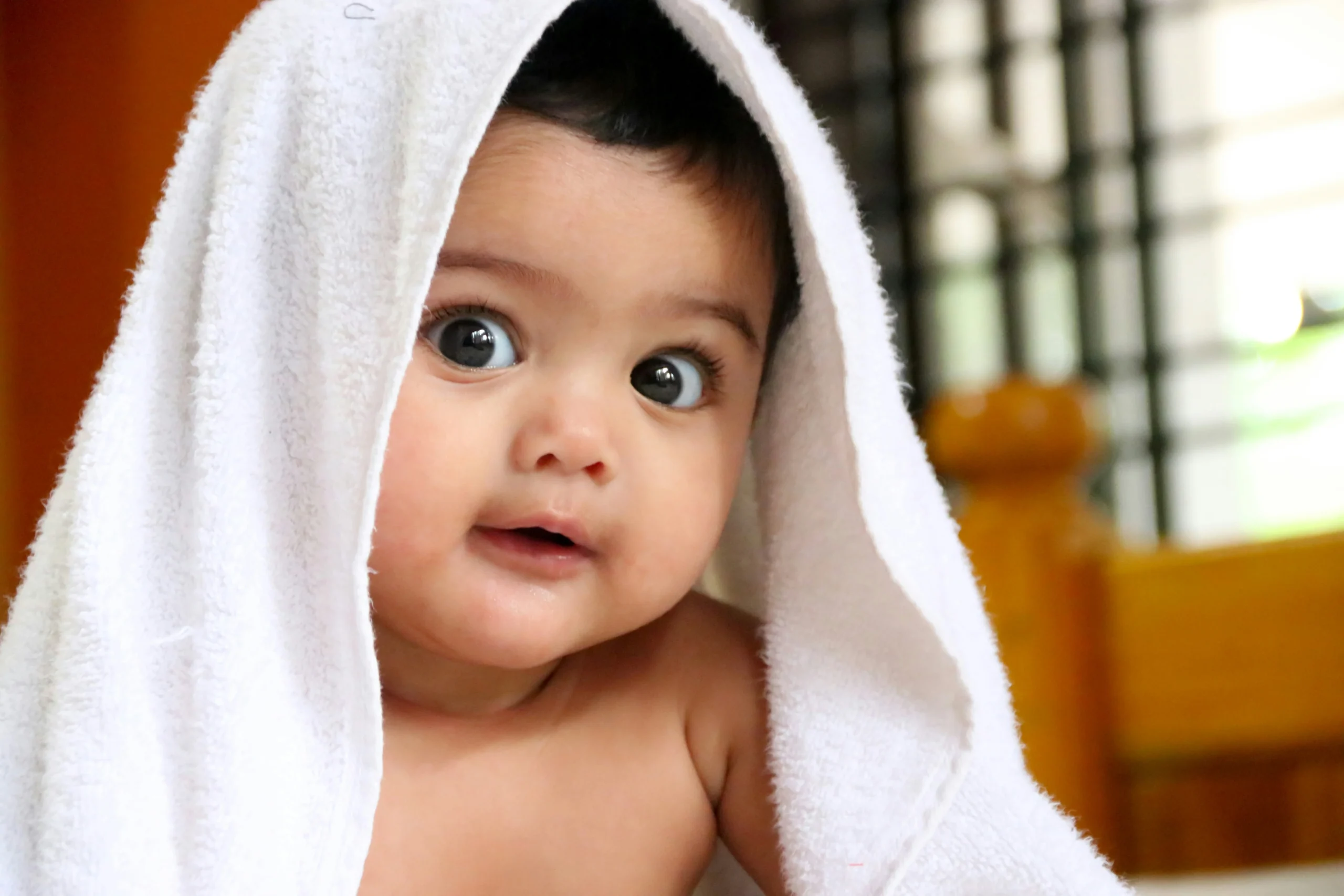

I’ll admit it: I previously judged mothers who nursed their toddlers (and honestly, I didn’t even realize that a child is considered a “toddler” once they hit their first birthday). To me, breastfeeding was meant for infants, not for kids who can walk or speak. Then I became a parent myself, and everything changed.
Before welcoming my child, I had a very different viewpoint on parenting. It’s impossible to grasp the immense responsibility of raising a child and the myriad of fears that accompany it until you experience it firsthand. I now see how naive I was to judge other mothers without understanding their journeys.
This tiny human demands your full attention, regardless of the hour. They need to eat, be held, and comforted, often in the middle of the night. You can’t fault them; they are completely dependent on you. And as the breastfeeding mother, the responsibility weighs heavily on your shoulders. While I did express milk so my partner could occasionally feed our little one, that too is a time-consuming task.
You also can’t truly appreciate the anxiety that comes when you bring this new life home, knowing their well-being rests largely on your shoulders (and those of your partner and family). As they grow, new concerns arise. However, breastfeeding becomes a means of safeguarding your child — passing on essential antibodies and providing them with balanced nutrition. Research from the Mayo Clinic indicates that extended breastfeeding can lower the risk of several health issues, including breast and ovarian cancer, diabetes, and heart disease. Given the many uncertainties in life, why wouldn’t a mother want to nurse for as long as she can?
During my pregnancy, I was determined to breastfeed. I firmly believe that fed is best, but if a mother can breastfeed, it often provides significant health benefits for her child. I was fortunate to have a smooth start, but challenges soon emerged.
The difficulties we faced while nursing, combined with my anxiety, made the experience overwhelming. I was harshly judging myself, convinced that if my child Parker didn’t nurse perfectly, his health would be compromised — which was an unfair burden to carry. It’s just a tough journey for both of us, as we were adjusting to a new reality.
Of course, there would be obstacles. My anxiety often led me to catastrophize situations. I found myself clinging to the idea that breastfeeding was the only option, driven by societal pressure and self-imposed expectations of motherhood. We often prioritize our children’s needs at the expense of our own well-being because we want what’s best for them. I’m certainly not exempt from this mindset; I frequently have to remind myself that caring for myself is also essential for my child’s welfare.
Fast forward to today, and my commitment to breastfeeding has paid off. Parker is now nearly 13 months old, and we’re still going strong. I can’t envision stopping just yet, although I plan to wean him before we expand our family (I know continuing to breastfeed during pregnancy is an option, but I’ve chosen otherwise).
Now I find myself as that mother nursing a walking toddler. Parker shows no signs of wanting to cut back on our 2-3 daily nursing sessions, and honestly, neither do I.
So, I pose this question: Are we truly in a position to judge another woman’s choices, especially concerning her own body and that of her child?
For additional insights on this topic, check out this article on privacy policies. And for those interested in navigating their fertility journey, Make a Mom is a great resource. For more detailed information on reproductive health, this Wikipedia page offers valuable insights.
In summary, my journey into motherhood has reshaped my views on breastfeeding and the pressures surrounding it. The experience has been fraught with challenges, but ultimately, it has deepened my understanding of what it means to be a parent.